The investigation into the crash of UPS Flight 2976 has revealed that a faulty engine mount component, which caused the left engine to detach from the aircraft, was flagged by Boeing nearly 15 years ago. This update, released by the National Transportation Safety Board (NTSB) on January 14, 2026, sheds light on the critical failure that led to the accident on November 4, 2025, during a routine departure from Louisville.
Key Findings from the NTSB Investigation
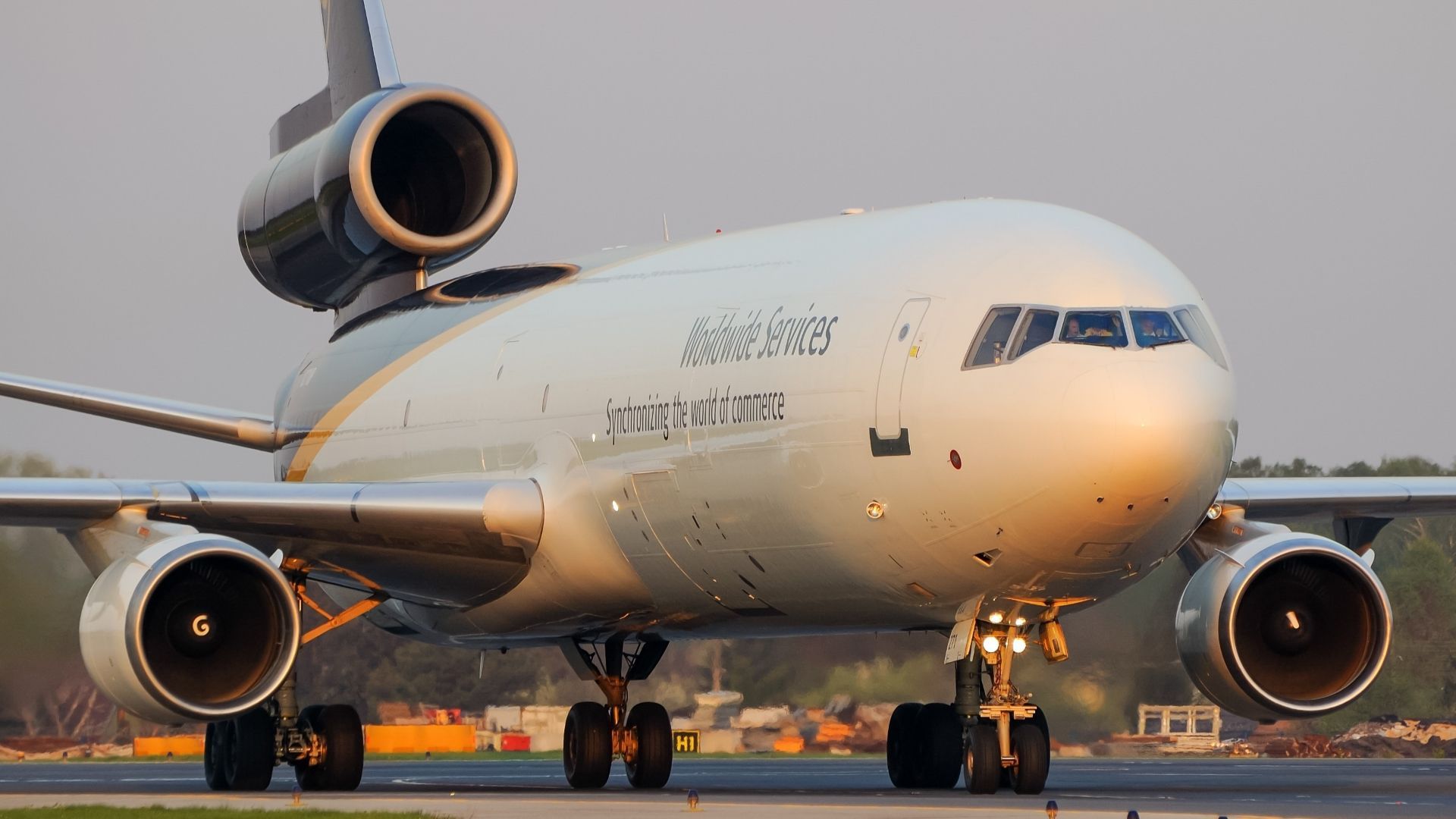
The NTSB identified a three-inch (7.62-centimeter) mount bearing as the failure point that resulted in the separation of the MD-11’s left engine and pylon assembly from the wing. This failure ignited a fire and ultimately led to the aircraft crashing. The investigation revealed that the housing for the aft mount bearing had failed, with the lugs typically bolted together found to have fractured. Additionally, the spherical bearing race was discovered to be fractured into two sections, showing signs of fatigue cracking that developed over time.
Despite these issues being known, the FAA had previously issued a service bulletin following four earlier incidents related to pylon bearing failures on the MD-11. This bulletin recommended five-year inspections and suggested replacing the older design with a newer one, although compliance was not mandated. The aircraft involved in the crash, identified as N259UP, did not have the new bearing design installed.
Implications for Boeing and UPS Airlines
Boeing’s awareness of potential pylon bearing failures on the MD-11, along with its collaboration with the FAA, has raised questions about the lack of mandatory actions taken over the past 15 years. Investigators will now scrutinize why Boeing determined that there was no immediate safety risk associated with the issue.
The NTSB will also examine UPS Airlines’ maintenance procedures. The aircraft had undergone a visual inspection of its left pylon in 2021 and was not scheduled for a more detailed examination of the mount lugs. Investigators will need to determine whether the MD-11 had passed all required inspections and why maintenance personnel failed to identify the fatigue cracking.
The findings have had immediate repercussions for MD-11 operations. Following the crash, the FAA issued an emergency airworthiness directive that effectively grounded all US-registered MD-11 aircraft until corrective measures are implemented. Since no explicit corrective actions were detailed, this grounding could remain in effect indefinitely.
Despite the age of many MD-11s, airlines are not rushing to retire them. FedEx Express, which operates a substantial fleet of the aircraft, has expressed optimism about returning its planes to service soon. The initial findings indicate that extensive redesigns to the pylon systems are not necessary, and any required repairs or modifications to the mount bearings are expected to be relatively quick and cost-effective.
As the investigation continues, the NTSB will focus on whether appropriate measures will be taken to enhance safety and ensure that such incidents do not occur in the future. The implications of this case extend beyond UPS Airlines, raising broader questions about aircraft maintenance practices and regulatory oversight in the aviation industry.