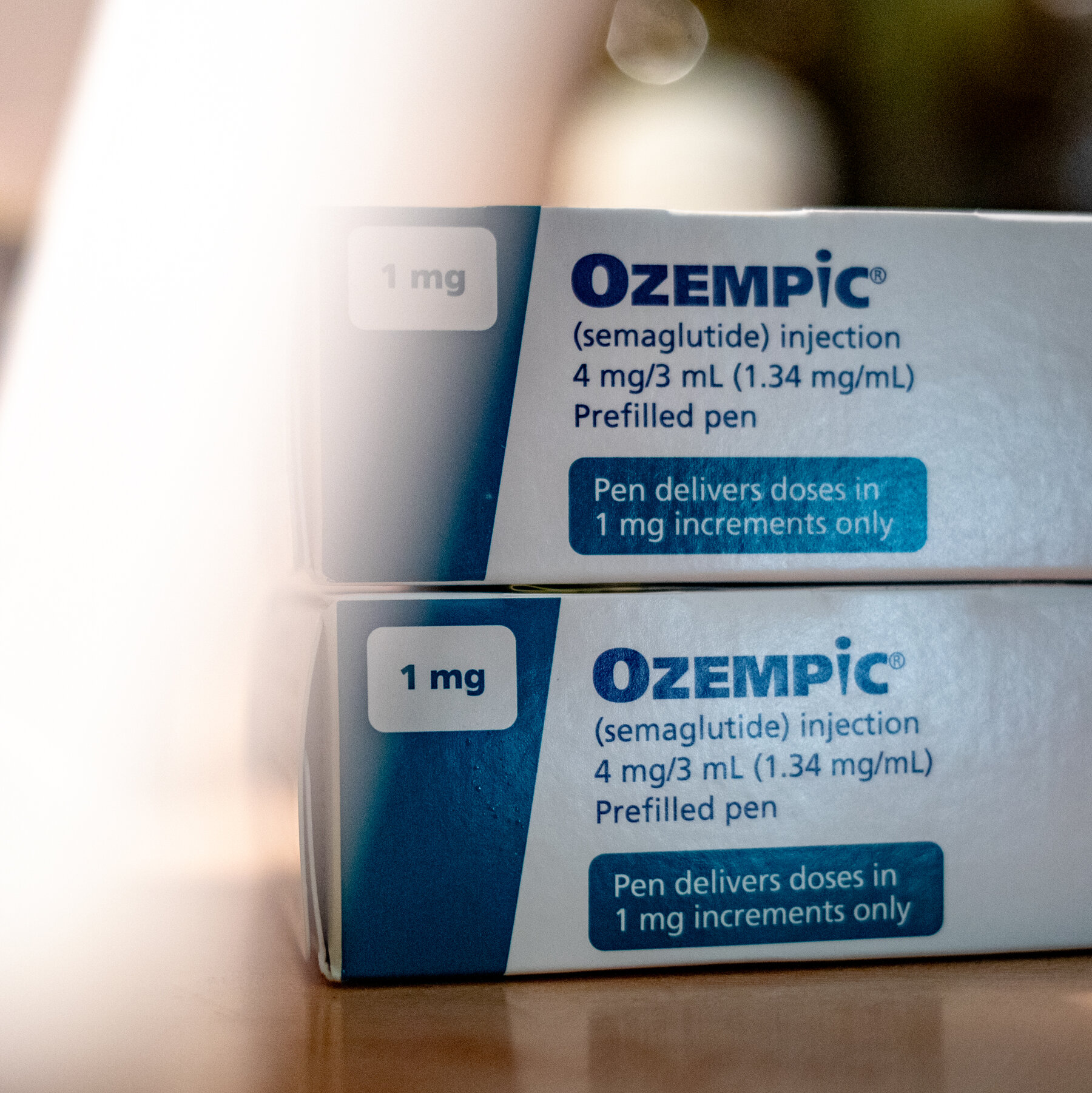
Weight-loss medications like Ozempic and Wegovy have gained significant attention for their effectiveness in helping individuals manage obesity. These drugs, developed by Novo Nordisk, are often described as “miracle drugs”. However, experts caution that the long-term effects of these medications remain largely unknown, raising questions about their safety and sustainability.
The U.S. Food and Drug Administration (FDA) approved Ozempic for Type 2 diabetes management in December 2017. Following its success, the FDA expanded its use for weight management under the brand name Wegovy in June 2021. Since then, reports indicate that millions of patients have turned to these treatments, with many expressing satisfaction over significant weight loss.
Growing Popularity and Concerns
Data from the Centers for Disease Control and Prevention (CDC) shows that approximately 42% of adults in the United States were classified as obese in 2020. The rise in obesity rates has prompted a surge in demand for effective weight management solutions. As a result, medications like Ozempic have become increasingly popular, with some patients experiencing a reduction in body weight by as much as 15% to 20% within several months.
Despite the positive outcomes, healthcare professionals are urging caution. The American Medical Association (AMA) emphasizes the need for more comprehensive research on the long-term implications of these drugs. Potential side effects, which can include gastrointestinal issues and possible adverse effects on the pancreas, have been reported. Furthermore, there are concerns about what happens when patients stop taking these medications. Some experts point out that weight regain is a significant risk without ongoing treatment.
Financial Implications and Accessibility
The financial aspect of these medications is also a critical topic. In the United States, the cost of Wegovy can reach around $1,500 per month without insurance coverage, making it inaccessible for many. While some insurance providers are beginning to cover these drugs, disparities in access remain a concern, particularly for lower-income populations.
The increasing costs associated with obesity-related health issues are prompting both public and private sectors to look for solutions. The total medical costs for obesity in the United States are estimated to be over $170 billion annually. With medications like Ozempic showing promise, there is hope that they could alleviate some of this burden if proven safe and effective over time.
As the conversation around these weight-loss drugs continues, it is essential for both patients and healthcare providers to stay informed. Balancing the benefits of rapid weight loss with potential long-term risks will be crucial in determining the future of medications like Ozempic and Wegovy in weight management strategies. The ongoing research and dialogue will shape how society approaches obesity and the tools available to combat it.