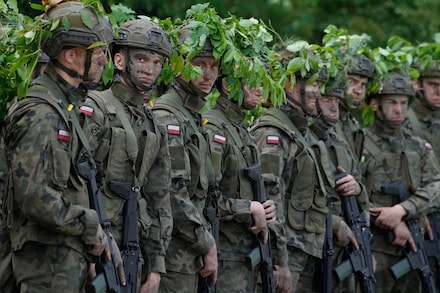
Poland has emerged as a leader in military expansion within the European Union, driven by the geopolitical shifts following Russia’s invasion of Ukraine in 2022. In response to increasing security threats, various European nations have looked to replicate Poland’s defense strategies, resulting in a significant transformation of military capacities across the continent.
This new focus on military readiness has led governments to prioritize defense spending and enhance their armed forces. Factories that once produced civilian goods are now transitioning to manufacture military equipment, including tanks and fighter jets. This shift reflects a broader commitment among NATO members to bolster their defense capabilities.
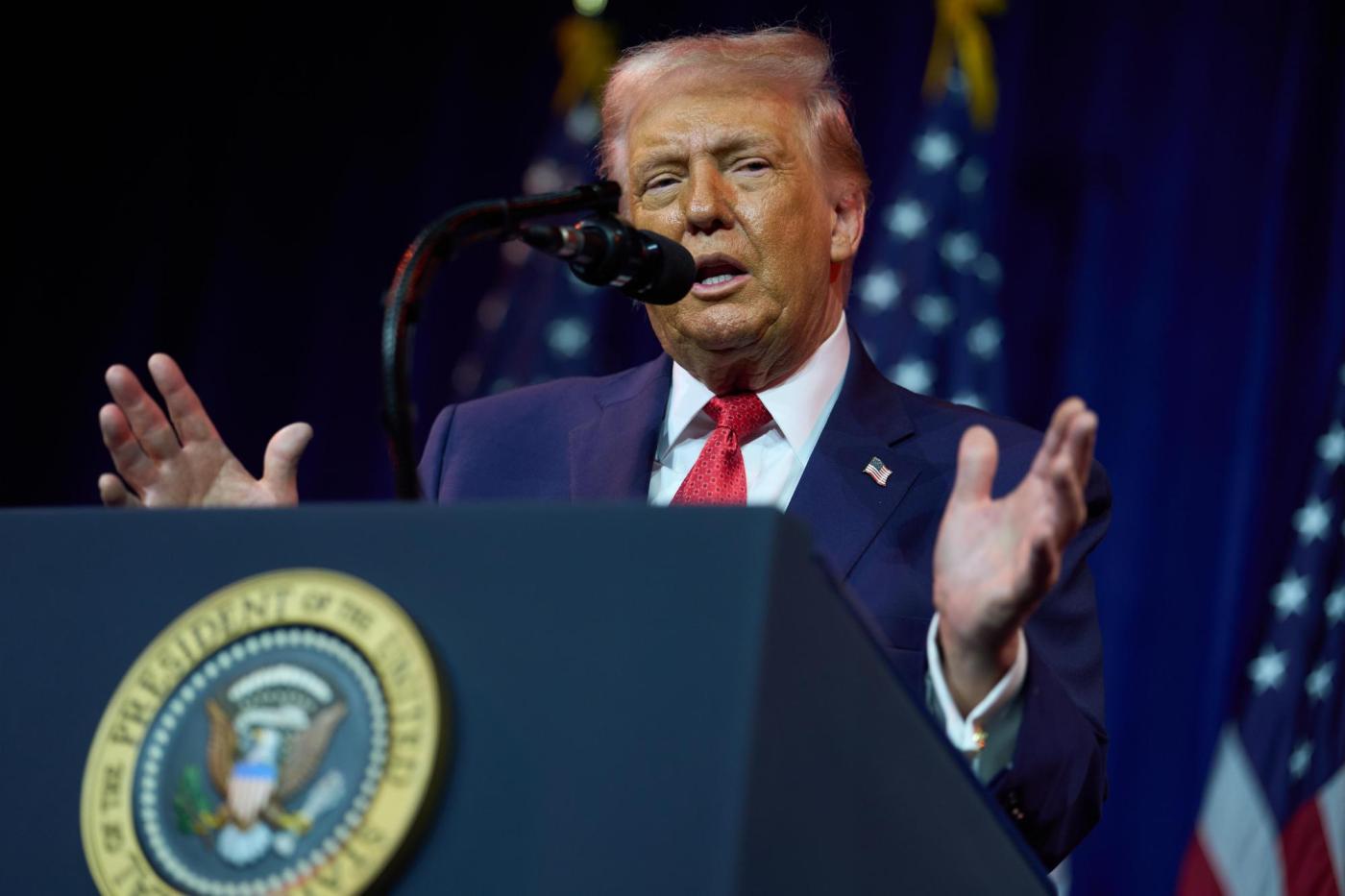
In 2022, European NATO allies pledged to allocate 5 percent of their gross domestic product (GDP) towards security and defense. This decision was notably influenced by Donald Trump, who has repeatedly urged European nations to increase their military investments. The commitment marks a significant change in policy for many countries, emphasizing the urgency of addressing potential threats in the region.
Shifts in Strategy and Manufacturing
The focus on enhancing military capabilities has resulted in a rapid acceleration of defense contracts. European nations are now investing heavily in modernizing their armed forces. Poland’s military, already the largest in the EU, has become a model for others to follow. The country is expanding its capabilities by acquiring advanced weaponry and increasing troop numbers.
Manufacturers are adapting to the new demand. Factories previously engaged in civilian production are pivoting to support defense contracts. This has not only increased military readiness but also generated jobs and economic growth in sectors tied to defense manufacturing. The shift highlights the interconnectedness of national security and economic stability.
As countries ramp up military spending, the implications for the European defense landscape are profound. Increased collaboration among NATO allies is expected, with joint exercises and shared technology becoming more commonplace. This cooperative approach aims to strengthen collective security and deter potential aggressors.
Regional and Global Implications
The transformation of military capabilities in Europe is not only a response to the immediate threat posed by Russia but also reflects broader global trends. Nations worldwide are reassessing their defense strategies in light of evolving geopolitical landscapes. The emphasis on military preparedness signifies a potential shift in international relations and power dynamics.
Poland’s proactive stance serves as a catalyst for change within the European Union. As other nations look to bolster their defenses, the ripple effects may reshape alliances and increase military cooperation across the continent. The commitment to enhanced defense spending is a clear indication that Europe is taking its security seriously, understanding that the current geopolitical climate demands a robust response.
In conclusion, Poland’s military expansion sets a new precedent for European defense strategies. With the lessons learned from the challenges posed by Russia, countries across the EU are reinforcing their military capabilities and committing to significant defense investments. The future of European security will likely be defined by these developments, as nations work together to confront shared challenges.