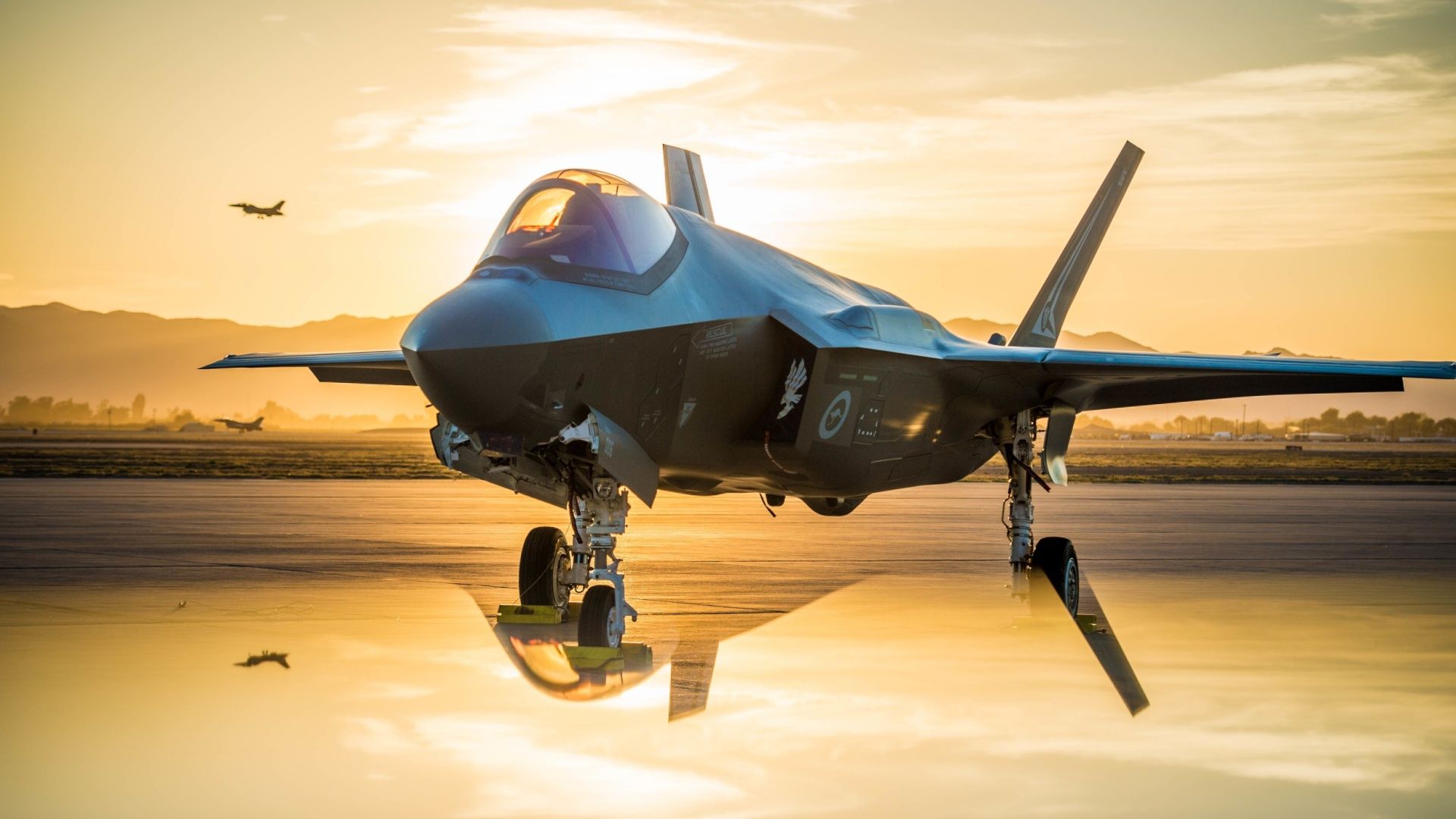
US-based engine manufacturer Pratt & Whitney has finalized a contract worth $1.6 billion with the United States Navy. This agreement specifically focuses on providing enhanced maintenance services for the F135 engine, which powers the Navy’s fleet of Lockheed Martin F-35 Lightning II aircraft. The contract encompasses various support functions including spare parts supply, depot repairs, and software updates, ensuring the operational readiness of these advanced fighter jets.
This deal highlights the **strategic importance** of maintaining the F-35 fleet, particularly as the program faces increasing scrutiny regarding its lifecycle costs and maintenance demands. By investing in this extensive support package, the Navy reaffirms its commitment to sustaining the F-35 as a key element of its air power.
Comprehensive Maintenance and Sustainment Package
The new contract is set to run through November 2026 and aims to provide a comprehensive maintenance regime for the F135 engine, which powers all variants of the F-35. The agreement will cover a wide array of services, from high-level software updates and diagnostics to the provisioning of spare parts. This holistic approach is designed to enhance engine reliability while minimizing operational downtime.
Pratt & Whitney will manage essential functions including component overhauls, hot-section replacements, and fuel system servicing. Additionally, the contract will incorporate digital health monitoring technologies that can predict and prevent failures, further ensuring the longevity and effectiveness of the engines. Specialized logistics teams will also facilitate parts distribution to allied bases while on-site technicians will conduct inspections to assess engine wear and performance.
Strategic Implications for the F-35 Program
This contract reflects Pratt & Whitney’s ongoing role as a critical partner in the F-35 program, providing a steady revenue stream amidst competitive pressures in the global engine support market. It also positions the company favorably for future enhancements, such as the upcoming F135 Engine Core Upgrade program, which aims to improve thrust and cooling for next-generation Block 4 F-35 variants.
For the United States Navy and the broader F-35 Joint Program Office, this agreement ensures that readiness and operational predictability across the global fleet, projected to exceed 3,000 aircraft, remain a priority. By maintaining a unified maintenance standard, the Navy aims to prevent fragmentation among contractors and allied nations, thus facilitating a common approach to spare-part logistics and performance metrics.
Overall, this $1.6 billion contract not only underscores the importance of continual investment in the F-35 program but also serves as a testament to the United States’ commitment to ensuring that the F-35 remains a cornerstone of modern military aviation.