Concerns are escalating regarding the health and treatment of eight pro-Palestinian activists imprisoned in the United Kingdom. These individuals are currently on hunger strike, protesting their detention and the charges against them related to their involvement with Palestine Action. The organization has been banned under the UK’s Terrorism Act due to its direct action protests against Israel’s policies toward Palestinians. Medical professionals have warned that the strikers are at significant risk of severe health complications or even death.
Dr. James Smith, a medical doctor supporting the hunger strikers, has indicated that several activists, some of whom began their protest in early November, are now in a “critical stage.” He emphasized the urgent need for intervention, stating, “This is an extremely critical moment, and it defies comprehension that members of the government have refused even to meet with the hunger strikers.”
The activists are reportedly facing dire health risks, with organ failure and other life-threatening conditions looming as they continue their hunger strike. Dr. Smith highlighted that three of the four remaining strikers have surpassed 50 days without food, leading to increasing dangers to their health.
Rising Alarm and International Attention
The situation has drawn the attention of United Nations experts, including Francesca Albanese, the UN Special Rapporteur for Palestinian Territories. In their statement, they called for immediate action, urging authorities to provide timely medical care and adhere to ethical standards in healthcare. They warned that the activists’ conditions could deteriorate rapidly.
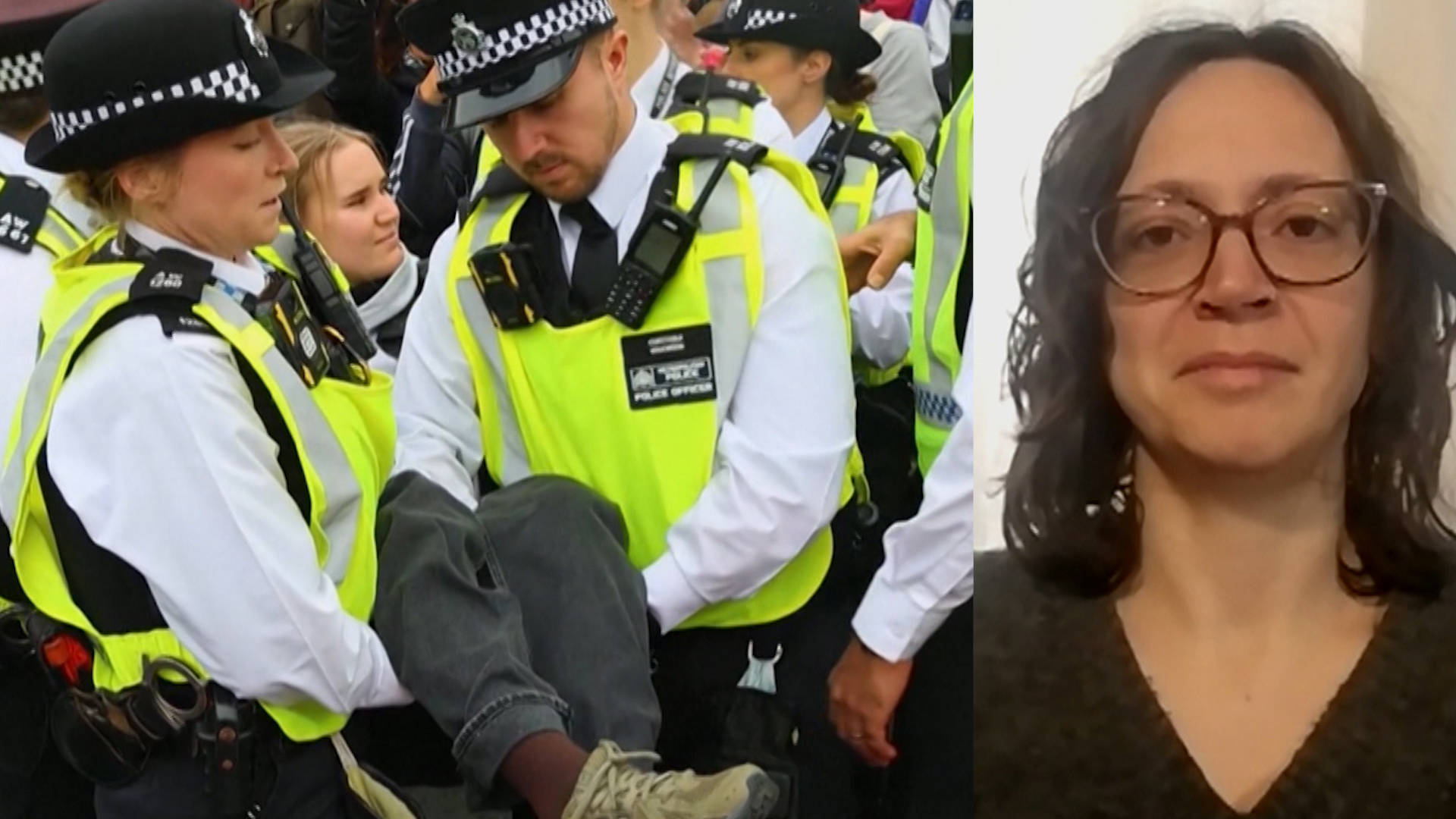
Francesca Nadin, spokesperson for Prisoners for Palestine, articulated that the harsh treatment of the hunger strikers reflects a broader suppression of the pro-Palestinian movement in the UK and worldwide. She described the hunger strike as a last resort for the activists, who feel that they have exhausted all other avenues for justice. “The only way they have left of resisting against this persecution is to go on hunger strike,” she remarked.
Conditions in Prison Raise Concerns
The conditions under which the hunger strikers are being held have raised serious ethical questions. Dr. Smith noted that some of the activists have been shackled while receiving medical treatment, which has led them to prefer remaining in prison rather than facing inadequate healthcare in hospitals. He criticized the treatment of these individuals, stating, “This is an indictment of the healthcare services that are being offered to these individuals.”
Among those affected is Kamran Ahmed, whose sister recently spoke about his deteriorating condition, noting that he is losing significant weight and facing severe health challenges. Another hunger striker, Heba Muraisi, reportedly struggles to converse and is experiencing profound weakness.
The ongoing hunger strike has become the largest coordinated protest in UK prisons since the 1981 Irish republican hunger strikes, a historical context that some activists draw inspiration from. Nadin emphasized the importance of the current struggle, stating, “They have taken on that struggle as their own.”
Through their actions, the activists are demanding not only their own rights but also greater awareness and support for the plight of Palestinians. They seek to end the labeling of Palestine Action as a terrorist organization and call for an end to censorship within prisons, as well as the right to fair trials without political interference.
As the hunger strike continues, public support and international attention are crucial to influencing the UK government’s response to this critical situation. The activists remain determined, viewing their actions as a means to galvanize support for their cause and to highlight ongoing injustices faced by Palestinians.