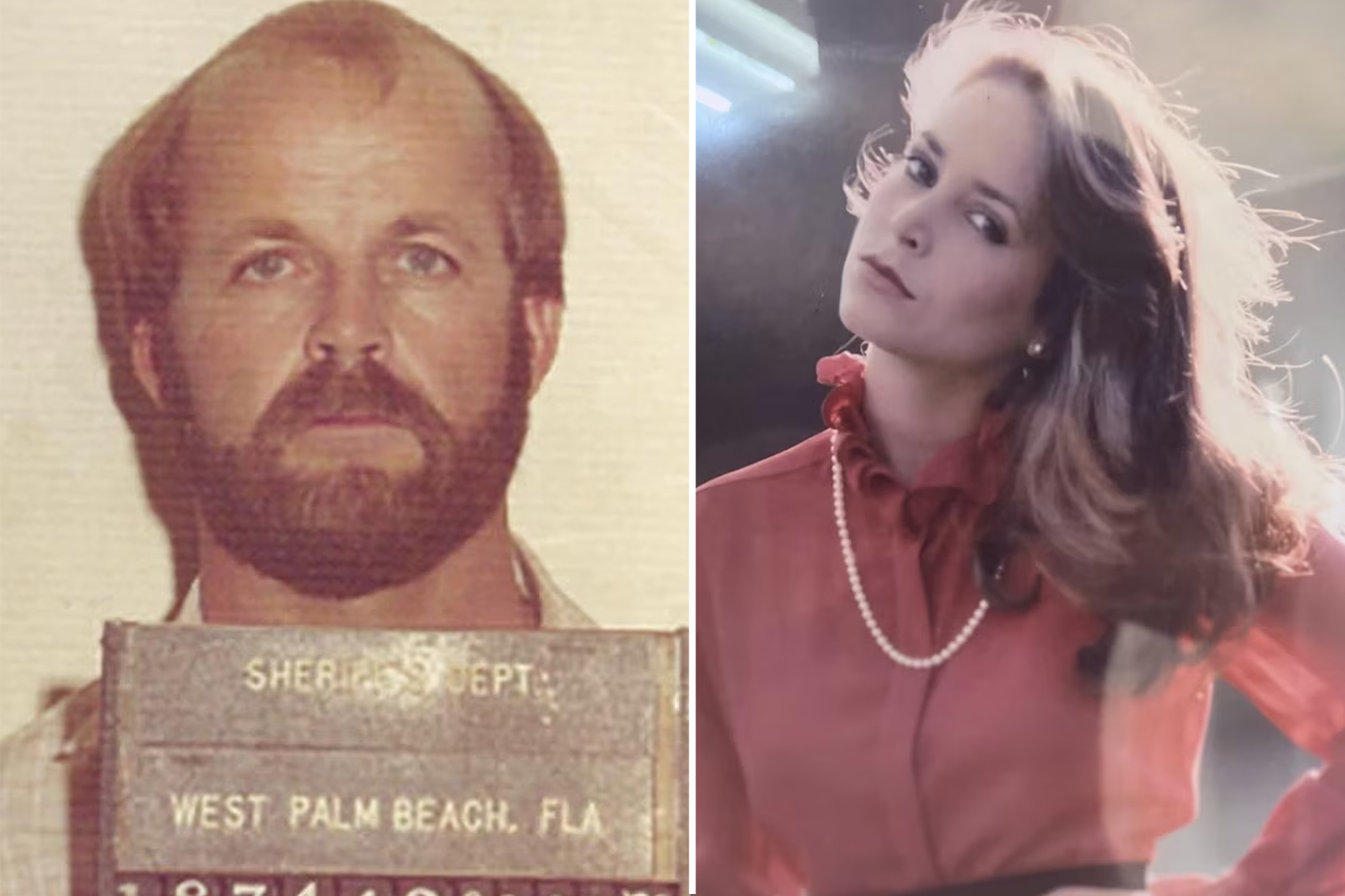
The tragic disappearance of Elizabeth Kenyon has brought renewed attention to the chilling activities of the alleged serial killer, Christopher Wilder. This revelation comes as investigators delve into the unsolved cases surrounding Wilder, who is also linked to the notorious Wanda Beach murders in Sydney in 1965. Kenyon, a talented special needs teacher and part-time model, rejected Wilder’s marriage proposal shortly before her disappearance, a decision that investigators believe may have triggered a fatal series of events.
Kenyon, 23, had briefly dated the wealthy businessman before ending the relationship. Eight days after the disappearance of 21-year-old Rosario Gonzalez from the Miami Grand Prix, Kenyon vanished without a trace. Her family sensed immediately that something was gravely wrong. As they began their search for answers, they quickly identified Wilder as a prime suspect.
New Leads Emerge in Old Cases
Recent developments have surfaced as a Sydney woman came forward with vital information about Wilder. According to the woman, her mother, then 15 years old, was repeatedly approached by Wilder at the Top Ryde shopping centre, just a short drive from his family home. The woman disclosed that Wilder had persistently attempted to persuade her mother to accompany him to Wanda Beach, the site of the infamous 1965 murders.
Back in Miami, Kenyon’s family enlisted the help of private investigator Ken Whittaker. Within 48 hours of his investigation, Whittaker became convinced that Kenyon was Wilder’s latest victim. He urged Miami police to question Wilder, citing the compelling timeline of events and connections between the two. However, law enforcement initially dismissed his findings, claiming that Whittaker had compromised the investigation.
Beth’s brother, Tim Kenyon, described her as having “a way about herself to be immediately noticed when she walked into a room.” The anguish of her family grew as they watched the police fail to act on crucial evidence. Whittaker expressed frustration over the lack of urgency, pointing out that every moment of inaction allowed Wilder more time to continue his predatory behavior.
Systemic Failures and Missed Opportunities
The investigation into Kenyon’s disappearance was marred by systemic issues within the Miami police department. According to podcast co-host Andy Byrne, the bureaucratic obstacles enabled a suspected serial killer to evade capture. He remarked, “The dysfunction wasn’t personal – it was systemic. South Florida in 1984 was a powder keg of corruption, violence, and chaos.”
As Whittaker and the police found themselves at odds, vital evidence was overlooked, and witnesses remained uninterviewed. The Kenyon family provided information to law enforcement, emphasizing the alarming nature of Wilder’s marriage proposal after only a few dates. Yet, their pleas went unanswered.
“Somewhere out there, Christopher Wilder was already hunting his next victim,” Byrne stated. The podcast series, “Catching Evil,” reveals that Wilder frequently traveled to New York, where he is linked to several murders and disappearances of young women. Some victims were lured by promises of modeling careers, only to be found dead in or near water.
Interviews with two women approached by Wilder also revealed a disturbing pattern. They noted that when he contacted them, he was clearly searching for his next victim.
Miami Dade Homicide Detective Ray Nazario acknowledged the complexities of the case, explaining that the premature disclosure of suspects by private investigators complicated the investigation. “Remember now, at this point I’m working a missing person case, with the suspicion that there might be foul play,” Nazario stated. He emphasized the importance of gathering evidence before making any accusations.
Whittaker maintained that the police’s reluctance to act on the information he provided hindered the investigation. He urged police to apprehend Wilder under a probation violation, allowing them to question him regarding Kenyon.
As the podcast delves deeper into the case, co-host Mark Lewellyn raised a haunting question: how many lives could have been saved if authorities had acted sooner? The series also explores the alleged connection between Wilder and the deaths of 15-year-olds Marianne Schmidt and Christine Sharrock at Wanda Beach, further underscoring the chilling legacy of this notorious figure.
The latest episode of “Catching Evil” is available for listeners on platforms such as Apple Podcasts and Spotify. Anyone with information regarding Christopher Wilder is encouraged to reach out via the podcast’s tip line at [email protected].