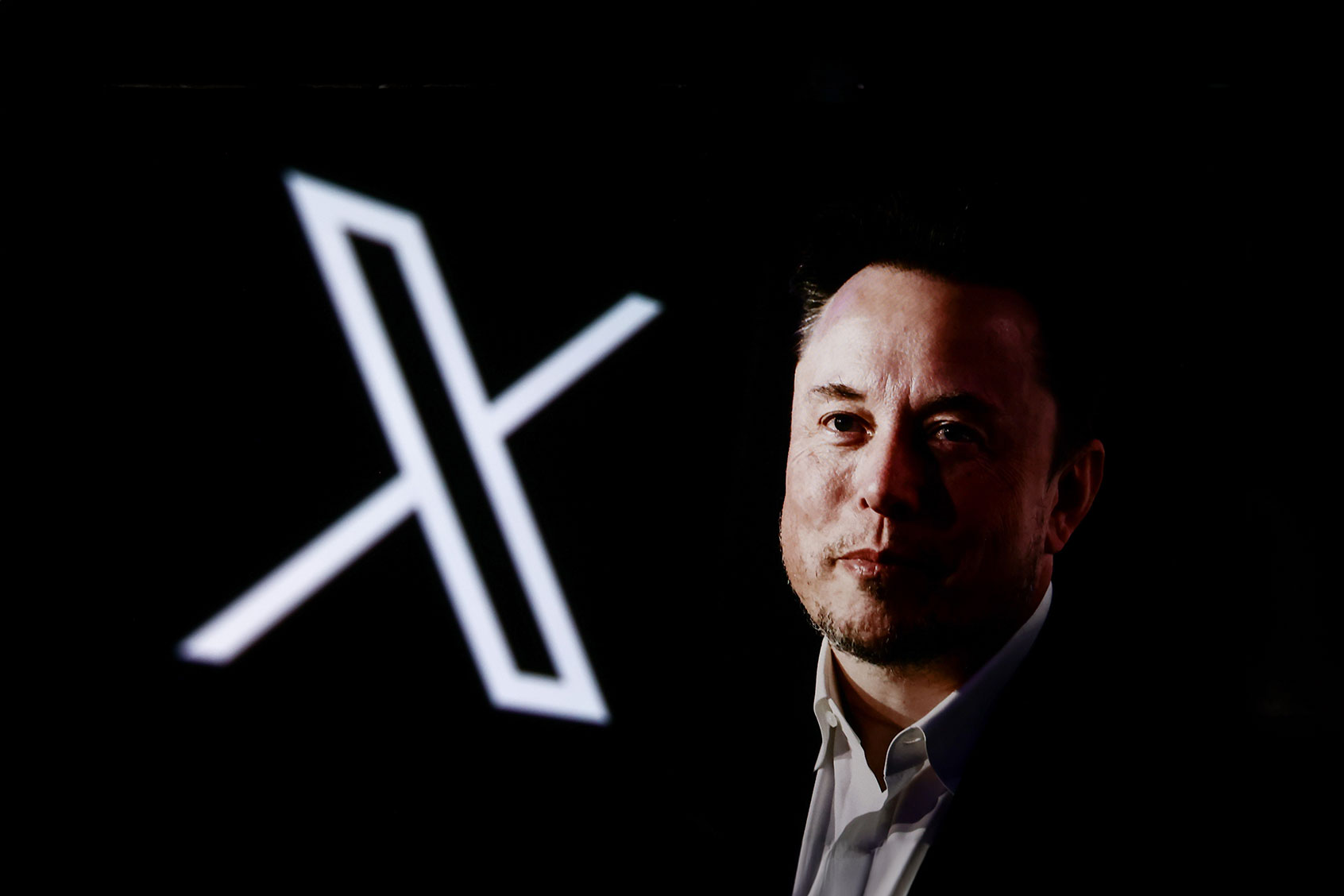
Social media platforms are grappling with a significant reckoning, particularly in light of actions taken by Elon Musk since he acquired Twitter—now rebranded as X—in 2022. Musk’s leadership has raised concerns about the proliferation of disinformation and the effectiveness of content moderation, as evidenced by troubling trends involving fraudulent accounts and extremist propaganda.
In 2014, Buzzfeed News highlighted the activities of the Internet Research Agency, a Russian “troll farm” that orchestrated a campaign to manipulate political discourse on social media. Despite ongoing discussions about foreign interference, deceptive accounts continue to thrive. A recent analysis by CNN of 56 pro-Trump accounts on X found evidence of systematic inauthentic behavior, with some accounts using stolen photos of well-known influencers to establish credibility.
Since taking control of X, Musk reinstated several accounts previously banned for hate speech and misinformation, including that of former President Donald Trump. Under his tenure, the platform has dismantled key teams and mechanisms designed to combat the spread of falsehoods, leading to a surge in extremist content. Musk has also been known to amplify this type of propaganda and has responded aggressively to criticism from journalists.
User engagement on X is primarily driven by controversial content, often related to culture wars. This dynamic has created a feedback loop that fuels public outrage and influences policy discussions. In October 2023, amid rising tensions within Trump’s base, X’s head of product, Nikita Bier, proposed a feature aimed at exposing the locations of users. However, it was not until a public appeal from Katie Pavlich, a Fox News contributor, that X initiated significant changes. Bier assured Pavlich that the company would take action within 72 hours.
The rollout of this new feature was met with mixed results. Despite praise from conservative figures like Florida Governor Ron DeSantis, it faced criticism for exposing potentially sensitive information without adequate safeguards. Some users, many of whom posed as right-wing agitators for engagement, were identified as operating from Nigeria. This raises serious concerns about user safety, particularly for journalists reporting on authoritarian regimes who may be inadvertently targeted.
The challenges faced by X are not isolated; other platforms like Instagram are also grappling with safety and accountability issues. Evidence presented by Vaishnavi Jayakumar, former head of safety and well-being at Instagram, revealed a lenient policy regarding accounts involved in human trafficking. This policy allowed such accounts to violate guidelines multiple times before facing suspension. Additionally, internal studies reportedly indicated a connection between social media usage and mental health issues, yet Meta, Instagram’s parent company, allegedly chose not to act on this information, prioritizing revenue over user safety.
The ongoing struggles within social media highlight a critical need for systemic regulatory reforms. The current business models favor engagement driven by outrage, making it difficult to rely on platforms to self-regulate effectively. As these companies continue to profit from disinformation and divisive content, the call for improved content moderation and transparency must evolve into a demand for comprehensive reforms. Without such changes, the integrity and safety of social media platforms will remain at risk, significantly impacting both users and society at large.