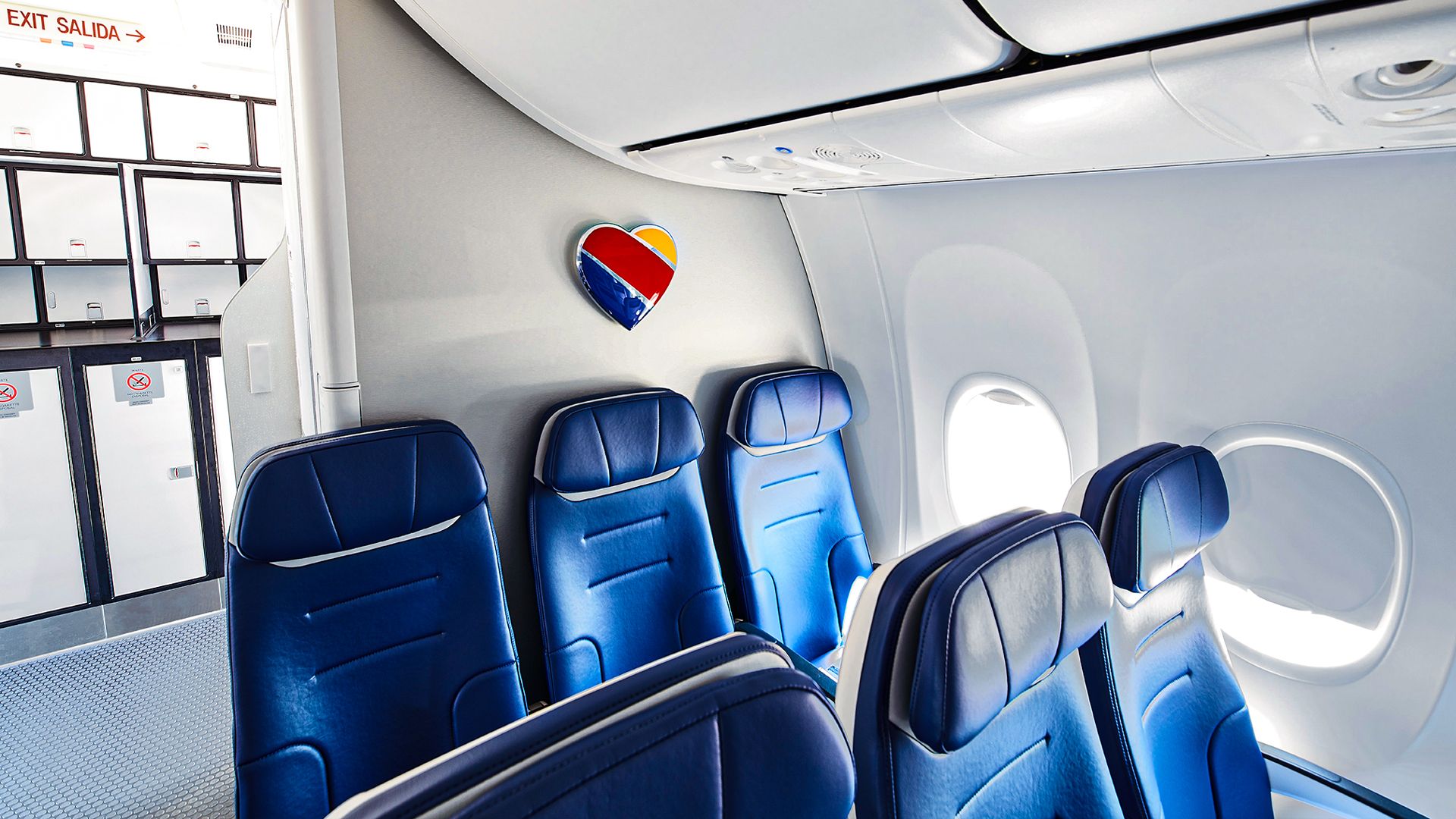
Southwest Airlines has officially transitioned from open seating to assigned seating, marking a significant shift in its customer experience model. The last flight featuring open seating, designated as flight WN1971, departed from Honolulu’s Daniel K. Inouye International Airport on January 26, 2026, and landed at Los Angeles International Airport. With this change, Southwest joins the ranks of all other U.S. airlines that have long adopted assigned seating, a move that is expected to enhance the airline’s ancillary revenue.
The decision to implement assigned seating aligns with the carrier’s broader strategy to increase revenue through additional charges for seat selections and the rollout of extra legroom options. Historically, Southwest’s open seating model attracted a loyal customer base who appreciated its unique offerings, such as two free checked bags. However, the shift has sparked considerable backlash among these loyalists, leading to discussions about the future of Southwest’s brand identity.
Transitioning to Assigned Seating
Under the new system, Southwest Airlines utilizes eight numbered boarding groups instead of the previous three-letter groups. Passengers can select their seats during the booking process, while those who do not make a selection will be automatically assigned a seat upon check-in. Notably, customers purchasing basic economy tickets cannot choose their seats and will incur charges for seat assignments on other fare types.
The final flight to operate under the open seating model served as a symbolic farewell to a practice that had become synonymous with Southwest’s brand. The flight was operated by a Boeing 737 MAX 8 painted in the carrier’s original “Desert Gold” livery, further highlighting the significance of this transition.
Challenges and Customer Reactions
Despite the industry norm of assigned seating, the implementation at Southwest has not been without controversy. Some A-List Preferred members reported being assigned to later boarding groups, contradicting the carrier’s marketing of Group 2 benefits for these frequent flyers. Anecdotal evidence from customers suggests a less efficient boarding process, with some passengers unable to switch seats even on less crowded flights. These early challenges may stem from the airline’s unfamiliarity with the new policies, but adjustments are anticipated as staff become accustomed to the changes.
The primary concern for many customers is the perception of increased costs associated with the new system. Although the prior open seating model allowed for free seat selection, even if it meant less desirable seats, the new assigned seating arrangement introduces additional fees for those seeking the best options. This has raised questions about Southwest’s commitment to customer service and its long-standing reputation for providing value.
While Southwest’s switch to assigned seating aligns it more closely with industry standards, the backlash from loyal customers highlights the delicate balance airlines must strike between broadening their appeal and maintaining their core customer base. The carrier aims to attract new customers while navigating the potential alienation of its existing loyalists.
The financial implications of this change are significant. Southwest has faced challenges in recovering from the economic impacts of the COVID-19 pandemic, lagging behind legacy carriers like Delta Air Lines and United Airlines in terms of revenue recovery. The impetus for this change has been influenced by strategic partners, such as Elliott Investment Management, which prioritize short-term profit boosts.
As the airline industry evolves, Southwest’s decision to abandon its open seating model may ultimately prove to be a necessary adaptation. However, the question remains whether this move will resonate with loyal customers who have long championed the airline’s unique attributes. Ultimately, while the airline seeks to improve its financial standing, it must also consider the long-term implications of alienating its dedicated customer base.