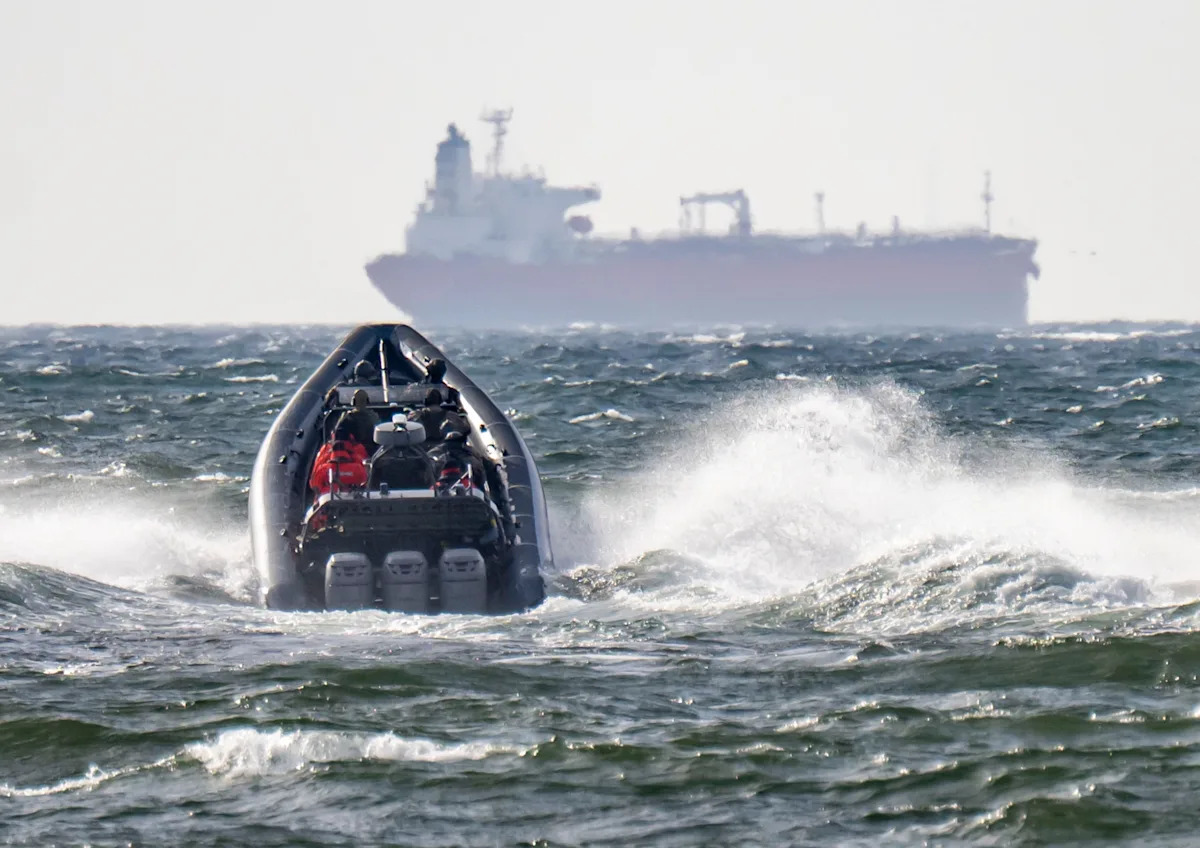
A Swedish court has ordered the detention of a Russian captain following suspicions that his vessel was operating under a false flag in the Baltic Sea. The court’s decision came after the Swedish coast guard boarded the tanker, named the *Sea Owl 1*, off the coast of Trelleborg. This incident marks a significant development in Sweden’s efforts to monitor maritime activities amid growing concerns regarding illegal shipping practices.
The captain, whose identity has not been disclosed, was arrested on Friday, March 15, 2024, the day after the coast guard’s intervention. According to prosecutors, he is suspected of utilizing a false document, prompting the district court in Ystad to grant a custody order in line with the prosecution’s request. The Swedish news agency TT reported on these developments, highlighting the ongoing scrutiny of maritime operations in the region.
The *Sea Owl 1* was reportedly sailing under the flag of the Comoros, an island nation situated off East Africa. However, authorities suspect that the tanker is not registered in the shipping registry of the Comoros, raising concerns about the legitimacy of its operations and the safety of those onboard. The vessel is also on the EU sanctions list, having been involved in transporting oil between Brazil and Russia. At the time of the boarding, it appeared that the *Sea Owl 1* was not carrying any cargo.
Broader Context of Maritime Investigations
This incident is not isolated. It follows another investigation by the Swedish coast guard involving the cargo ship *Caffa*, which is accused of transporting stolen grain and is also under international sanctions related to Ukraine. The *Caffa*, manned by a predominantly Russian crew, has drawn scrutiny for its operations, prompting the detention of its captain on similar grounds of suspected document forgery.
In response to rising concerns regarding illegal shipping activities linked to Russia, Sweden has ramped up its efforts to enforce stricter controls on foreign vessels. Last year, Swedish authorities announced plans to enhance insurance checks on foreign ships as part of a broader initiative to regulate what has been termed Russia’s “shadow fleet.” This fleet consists of aging vessels often employed to transport oil, gas, or stolen goods, including grain from Ukraine.
With these developments, Sweden is positioning itself to play a critical role in maritime security in the Baltic Sea region. The ongoing investigations underscore the complexities of international shipping regulations and the necessity of robust enforcement mechanisms to prevent illicit trade practices.