Taiwan’s government is grappling with significant challenges in securing funding for its ambitious military spending plans. This includes a proposed arms package valued at approximately $11.1 billion from the United States. On December 15, 2023, Taiwanese President William Lai announced a special defense budget of around NT$1.25 trillion (about $39.5 billion) intended to support military expenditures from now until 2033. However, the opposition-controlled Legislative Yuan has raised concerns about the budget’s legality and feasibility.
During a session on January 9, 2024, opposition parties blocked the special defense budget, arguing that it was inconsistent with existing laws. Some lawmakers have suggested prioritizing military pay and pensions instead of the broader defense spending package. “The money is technically raiseable because Taiwan has the fiscal capacity, but the real constraints are political patience and interparty bargaining,” noted Hu Jin-li, a professor at the Institute of Business and Management at National Yang Ming Chiao Tung University in Taipei.
Taiwanese Premier Cho Jung-tai expressed concern about the legislative blockade, indicating that it has delayed the release of NT$75.2 billion (approximately $2.38 billion) meant for deterrence and asymmetric warfare capabilities. The special budget aims to enhance precision strike capabilities, long-range missile defense, and other critical areas.
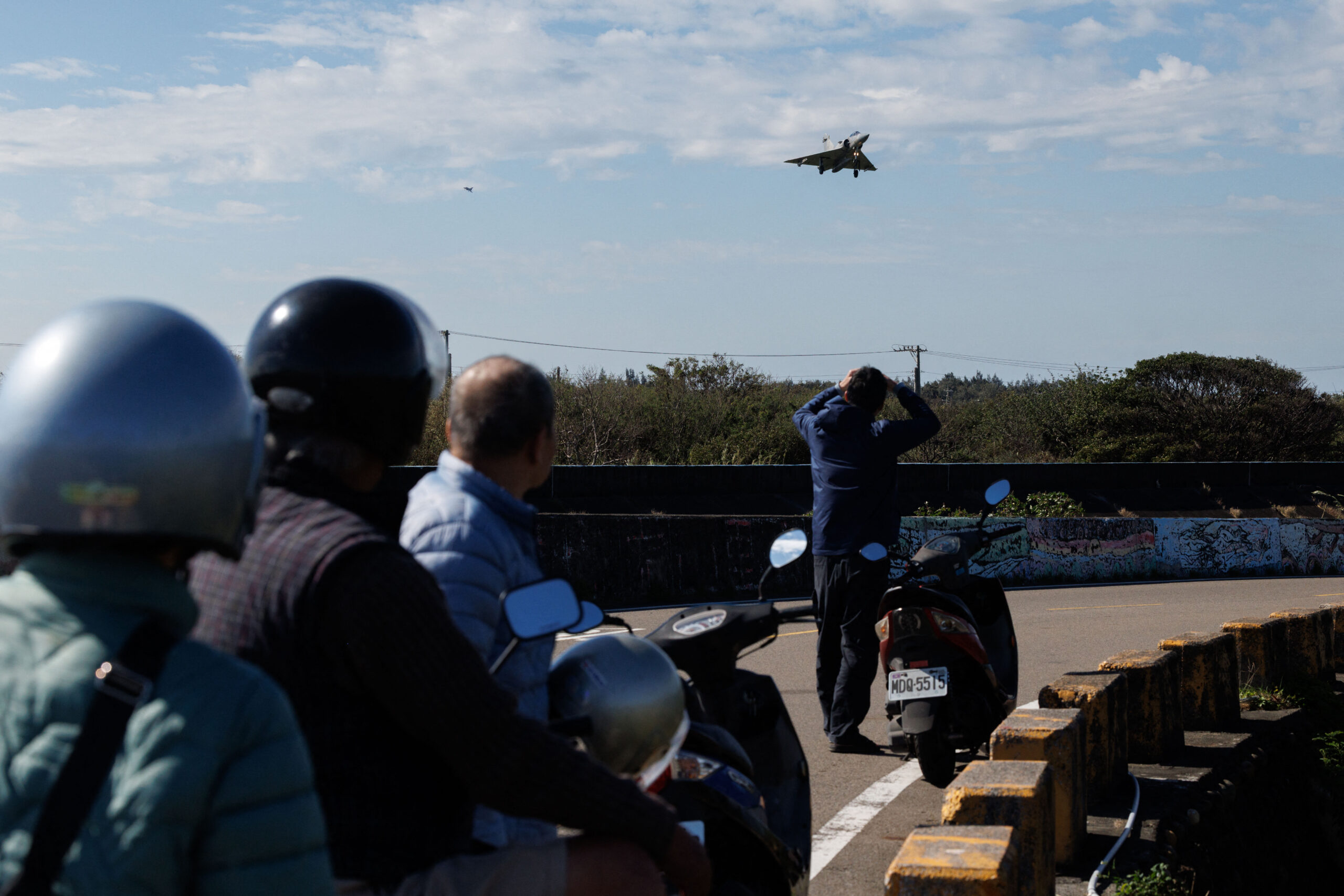
In a statement on January 15, Deputy Defense Minister Hsu Szu-chien revealed that the portion of the special budget allocated for U.S. arms purchases would amount to around NT$900 billion, with NT$300 billion designated for domestic military initiatives. The situation is further complicated by Taiwan’s unique position in the global arms market, as few countries apart from the U.S. are willing to sell arms to Taiwan due to potential repercussions from China.
China’s military budget for the previous year was set at $246 billion, dwarfing Taiwan’s budget of $31.2 billion. A recent poll conducted by the Taiwan Public Opinion Foundation indicated that approximately 54% of Taiwanese citizens disapprove of lawmakers delaying the special defense fund, while only 30.2% view the process positively.
Without the approval of this special budget, analysts warn that the Taiwanese government may have to reallocate funds from other departments, risking discontent among those beneficiaries or resort to selling bonds for financing. Historically, Taiwan has supplemented its regular defense budget to cover arms purchases, both domestically and internationally.
“If the Taiwanese legislature does not approve a defense budget increase, the government can shift already-approved defense funds from one priority to another, but this obviously creates tradeoffs that can quickly become unsustainable,” explained Denny Roy, a senior fellow at the East-West Center think tank in Hawaii. The potential for reallocating funds could impact vital sectors such as education and social welfare, as highlighted by Chen Yi-fan, an assistant professor in the Diplomacy and International Relations Department at Tamkang University.
“Big, visible cuts to social programs are politically toxic, especially with demographic pressures and cost of living concerns,” Hu added. “Therefore, soft budget reallocation—slower growth, delayed projects, tighter capital spending—should be more likely rather than headlines like ‘We cut X to fund weapons.’”
In the meantime, borrowing appears to be the most feasible option for increasing defense funding, according to Chen. “Taiwan has good financial discipline, so there’s room for the government’s borrowing,” he stated.
Fitch Ratings, in its August report, affirmed Taiwan’s strong financial position, citing its “substantial net external creditor position” and prudent fiscal management. The agency assigned Taiwan an AA rating with a “stable” outlook, noting that the island recorded a tax surplus in 2024.
As Taiwan navigates this complex legislative environment, the implications of its defense budget decisions will resonate beyond its shores, influencing regional security dynamics and international relations. The outcome of these budget negotiations will ultimately shape Taiwan’s military readiness and its standing in the face of increasing pressures from China.