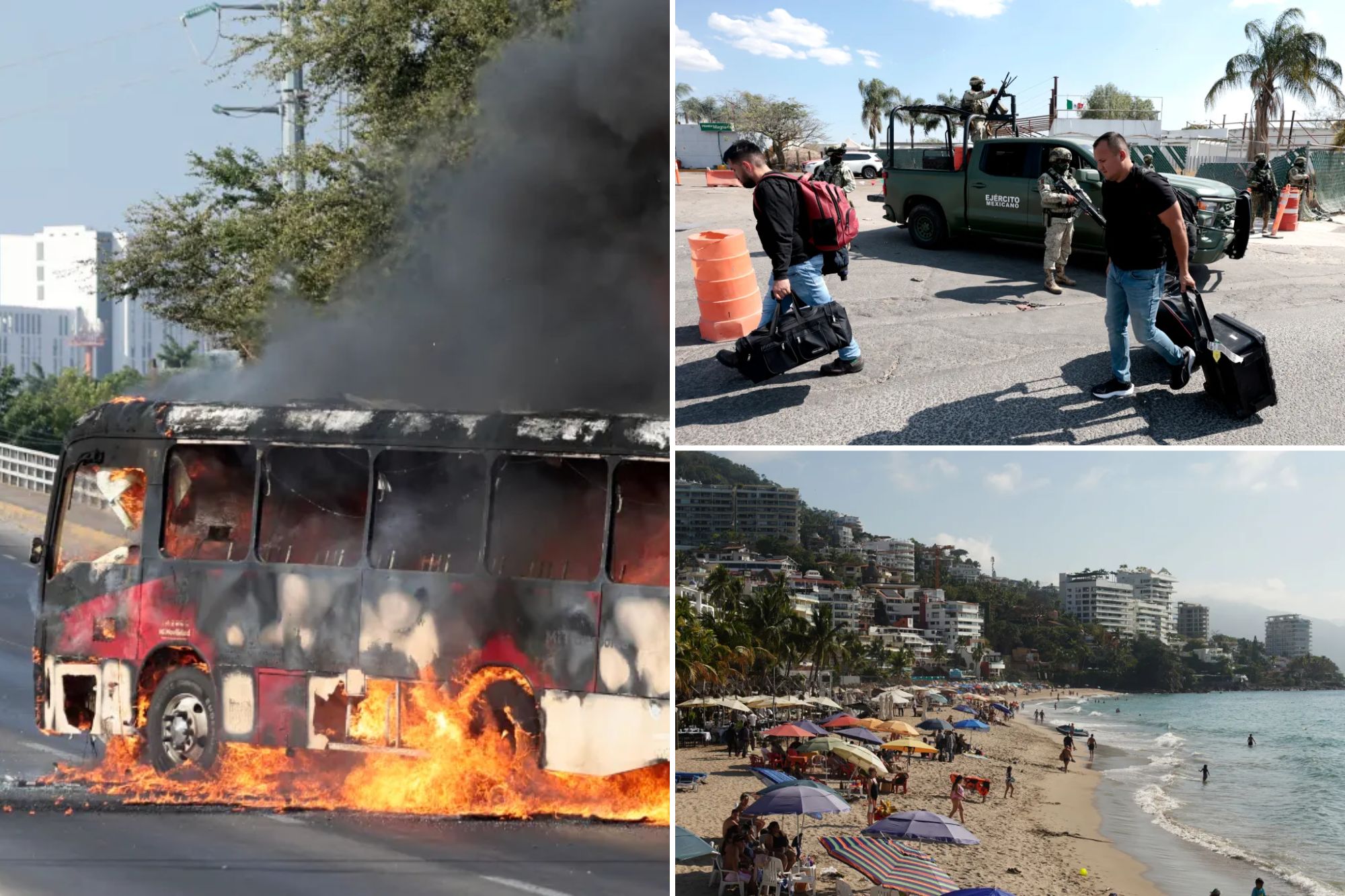
As spring break approaches, travel agencies are sounding alarms regarding safety risks for tourists in Mexico, following a series of violent cartel attacks last month. The United States Department of State has classified Mexico as a Level 2 destination, advising travelers to “exercise increased caution” due to threats related to terrorism, crime, and kidnapping.
The State Department’s warning highlights that “many violent crimes take place in Mexico,” including homicide, kidnapping, carjacking, and robbery. The risk of terrorist violence is also noted, with threats varying significantly across different regions. For example, several states, including Jalisco and Baja California, are classified as Level 3—indicating travelers should “reconsider travel.” Meanwhile, Sinaloa and Colima, areas severely impacted by cartel violence, are rated as Level 4—“do not travel.”
Understanding Regional Risks
AAA, in a recent article on its website, emphasized that safety conditions can differ greatly by state. “What’s happening in one region may look very different from what travelers are experiencing in a major resort corridor,” the organization stated. They further noted that ongoing conflicts among cartels have led to temporary spikes in violence, prompting heightened U.S. security alerts, including shelter-in-place notices in popular resort regions.
According to alerts from the U.S. Embassy, these incidents are usually linked to localized security operations involving Mexican authorities and criminal organizations. While most tourists visit Mexico without incident, AAA stresses the importance of reviewing current, destination-specific guidance before traveling.
The situation escalated following the death of Nemesio “El Mencho” Oseguera Cervantes, the leader of the Cartel Jalisco Nueva Generación, during a military operation supported by U.S. intelligence on February 22, 2023. His death triggered widespread unrest in Jalisco, a state known for popular tourist destinations such as Puerto Vallarta and Guadalajara. The subsequent retaliatory attacks lasted several days, leaving travelers feeling uneasy and prompting the State Department to issue a shelter-in-place advisory for Americans in the region.
During this period, some cruise lines opted to skip stops in Puerto Vallarta and Guadalajara, while certain U.S. airlines canceled flights, according to reports from Town and Country.
Advice for Travelers
Paul Tumpowsky, chief revenue officer for Fora Travel, noted that while cartels may be incentivized to limit their impact on tourism—an essential part of Mexico’s economy—travelers should remain vigilant. “It’s a delicate balance to find their way at war with the police or whoever is coming after them,” Tumpowsky explained. He emphasized that Mexico is a vast country, with regions like Baja California operating differently compared to Jalisco.
“It’s going to be safe to travel outside of the regions that have been directly impacted,” he stated. Tumpowsky advised tourists to maintain a “heightened sense of awareness” without letting concerns overshadow their vacation plans.
Kent Webber, a senior manager at Global Rescue, a travel safety organization, remarked that the recent violence indicates a new phase in cartel responses to enforcement actions. “No travel to Mexico is ever risk-free,” he cautioned, urging travelers to stay informed.
Mike Ballard, director of intelligence at Global Guardian, also provided perspective on safe travel options. He suggested that clients could consider visiting Cabo San Lucas, located at the southern tip of the Baja California peninsula, as it remained unaffected by the recent cartel violence. Nonetheless, he advised travelers to stay updated on current events. “This can all go sideways quickly,” Ballard added, highlighting the need for vigilance.
As spring break draws near, travelers considering a trip to Mexico are encouraged to weigh the risks carefully and stay informed about the current situation, ensuring a safer travel experience.