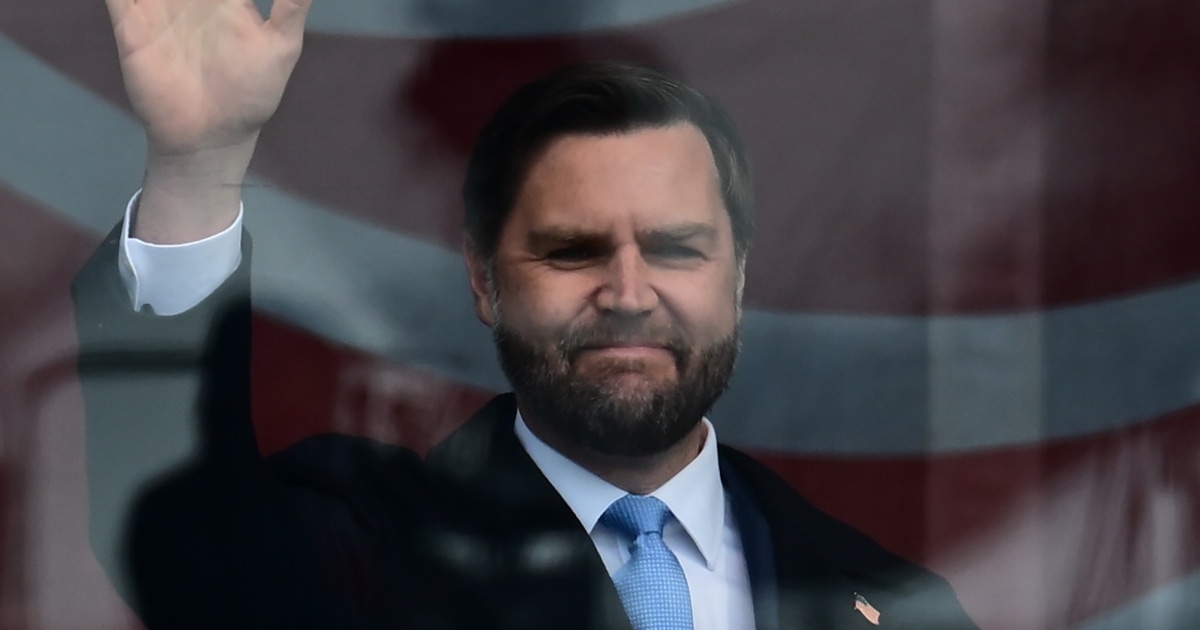
The Trump administration announced an expansion of the “Mexico City” policy, which restricts U.S. aid to foreign organizations that provide or promote abortions. This new directive will also target organizations advocating for “radical gender ideologies” and diversity, equity, and inclusion (DEI) policies. Vice President JD Vance unveiled the changes on March 15, 2024, during the March For Life rally in Washington, D.C.
Vance emphasized the administration’s commitment to protecting life and combating what he termed “radical gender ideologies.” He stated, “Now we’re expanding this policy… to combat DEI and the radical gender ideologies that prey on our children.” According to Vance, the expansion of the Mexico City policy will increase its scope to “about three times as big as it was before.”
The original Mexico City policy, often referred to as the “global gag rule” by pro-abortion advocates, was first instituted by President Ronald Reagan in 1984. This policy prevents U.S. foreign aid from being used to fund organizations that provide, counsel, or refer for abortion services, even in countries where such activities are legal and financed entirely with non-U.S. funds.
Democratic presidents have historically rescinded the policy, while Republican presidents have reinstated it. The latest reinstatement occurred when Donald Trump took office in January 2023. In a pre-recorded message to the March For Life attendees, Trump stated, “We’re bringing back faith in America… We have stopped forced taxpayer funding of abortion at home and abroad.”
The expansion of this policy has drawn criticism from various groups. Rachana Desai Martin, chief U.S. program officer for the Center for Reproductive Rights, condemned the new restrictions, describing them as “a stunning abdication of basic human decency.” She further stated, “President Trump and his anti-abortion administration would rather let people starve to death in the wake of famine and war than let anyone in the world get an abortion—or even receive information about it.”
Martin highlighted the potential consequences of the policy shift, claiming that people are already suffering due to the administration’s cuts to foreign assistance. The restrictions, she argued, further complicate efforts by doctors and aid workers to provide essential services such as food, water, and lifesaving medical care.
As the policy takes effect, its implications for global health and humanitarian aid remain a point of contention among advocates on both sides of the issue. The administration has yet to provide detailed guidance on the specific changes to the funding restrictions, prompting inquiries from media outlets including NBC News and concerns from humanitarian organizations worldwide.