The Trump administration has announced a requirement for approximately 42 million U.S. households to reapply for their food subsidies through the Supplemental Nutrition Assistance Program (SNAP). This decision comes after the 43-day federal government shutdown that disrupted access to vital food assistance for many Americans.
Brooke Rollins, the U.S. Secretary of Agriculture, stated that the reapplication process aims to reduce fraud within the program. Despite this assertion, the Congressional Research Service (CRS) has indicated that intentional fraud in SNAP is “rare.” Most overpayments or improper payments stem from administrative errors rather than the recipients’ intent.
SNAP in Crisis
The shutdown’s impact on SNAP has raised concerns that extend beyond its temporary suspension. Rollins emphasized the need for recipients to reapply for benefits in a recent interview, indicating that this measure is intended to ensure that taxpayer-funded assistance is directed only to those who truly need it. Yet, she did not provide comprehensive details regarding the implementation of this new requirement, leaving many beneficiaries uncertain about their future support.
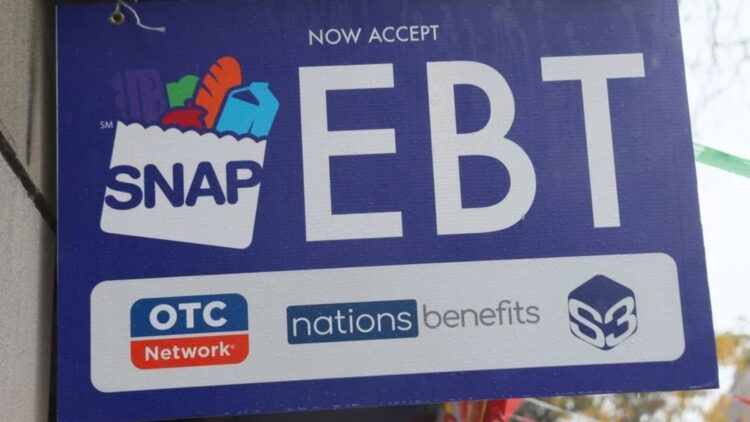
The USDA Food and Nutrition Service outlines three primary types of fraud: recipients who misrepresent their eligibility, retailers exchanging benefits for cash, and the theft of Electronic Benefits Transfer (EBT) cards. Currently, states are already mandated to require beneficiaries to update their personal information, such as work history and income, every six months.
While Rollins has stated that states will soon need to collect sensitive data, including Social Security numbers, this initiative is facing legal challenges. Her claims about fraud included citing “186,000 deceased men, women, and children” allegedly receiving SNAP benefits, based on data from 29 states that complied with the USDA’s information request.
Policy Changes Under Trump
Since the establishment of the Department of Government Efficiency (DOGE), federal officials and Republican governors have been pushing for significant reductions in what they label as wasteful spending. This includes a proposed $186 billion cut in SNAP funding as part of the One Big Beautiful Bill Act, which also introduced stricter work requirements and eligibility restrictions.
In his appearances and statements, President Donald Trump has reiterated his belief that SNAP should primarily support individuals in dire circumstances. He remarked during a Fox News interview, “SNAP is supposed to be for when you’re down and out. The number is many times what it should be.” Trump expressed his support for helping those genuinely in need while criticizing those who might exploit the system, stating that it is not the purpose of SNAP for individuals to abandon employment for easier benefits.
As the administration moves forward with these changes, the future of SNAP remains uncertain for millions of Americans reliant on this essential program. With significant implications for food security, the upcoming implementation of mandatory reapplications may further complicate access to necessary resources for vulnerable populations.