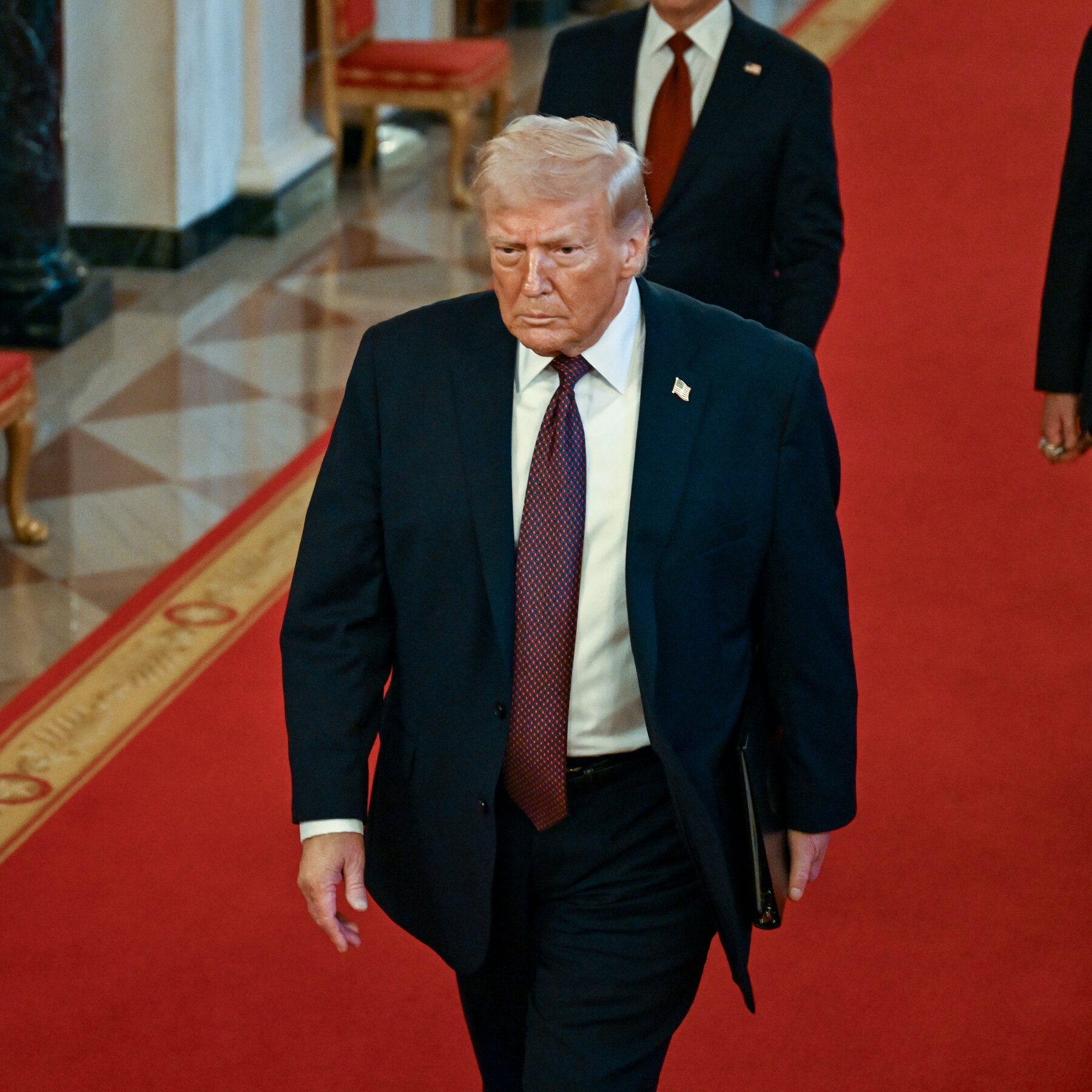
Recent statements from former President Donald Trump have reignited discussions about the United States’ interest in acquiring Greenland, a territory governed by Denmark. This development marks a significant shift in the U.S. position on foreign relations, suggesting a move towards asserting control over territories rather than merely defending them.
In July 2019, Trump expressed a desire to purchase Greenland, highlighting its strategic value and resources. This proposal was met with resistance from Denmark, which described the territory as not for sale. The response from Danish officials underscored a longstanding relationship between the two nations, emphasizing diplomacy over territorial ambitions.
The Arctic region has become increasingly important as climate change opens new navigation routes and exposes natural resources. Greenland, with its vast mineral deposits and potential for oil exploration, has drawn the interest of multiple nations, including China and Russia. Trump’s comments have raised concerns about the U.S. positioning itself as an imperial power rather than a partner, which could alter the geopolitical landscape.
Trump’s administration had previously initiated discussions about enhancing the U.S. presence in the Arctic. The National Security Council noted the importance of protecting American interests in a region that is becoming more contested. This focus marks a departure from the U.S. role in providing support to allies and protecting against external threats.
Critics argue that this approach could lead to tensions with Denmark and other Arctic nations. The notion of acquiring territory through purchase or negotiation has been historically fraught with complications, often leading to diplomatic disputes. The situation raises questions about the U.S. commitment to international norms and respect for sovereignty.
Greenland’s future remains uncertain as global interest in the Arctic continues to grow. The island’s leaders have expressed a desire for autonomy while also seeking to maintain strong ties with Denmark and the United States. The delicate balance of power in the region necessitates careful diplomacy to avoid potential conflicts.
As the conversation surrounding Greenland evolves, it is crucial to consider the implications of U.S. foreign policy shifts. The potential for an imperialistic agenda could reshape alliances and impact regional stability. The world will be watching closely as the U.S. navigates this complex issue, balancing national interests with international cooperation.