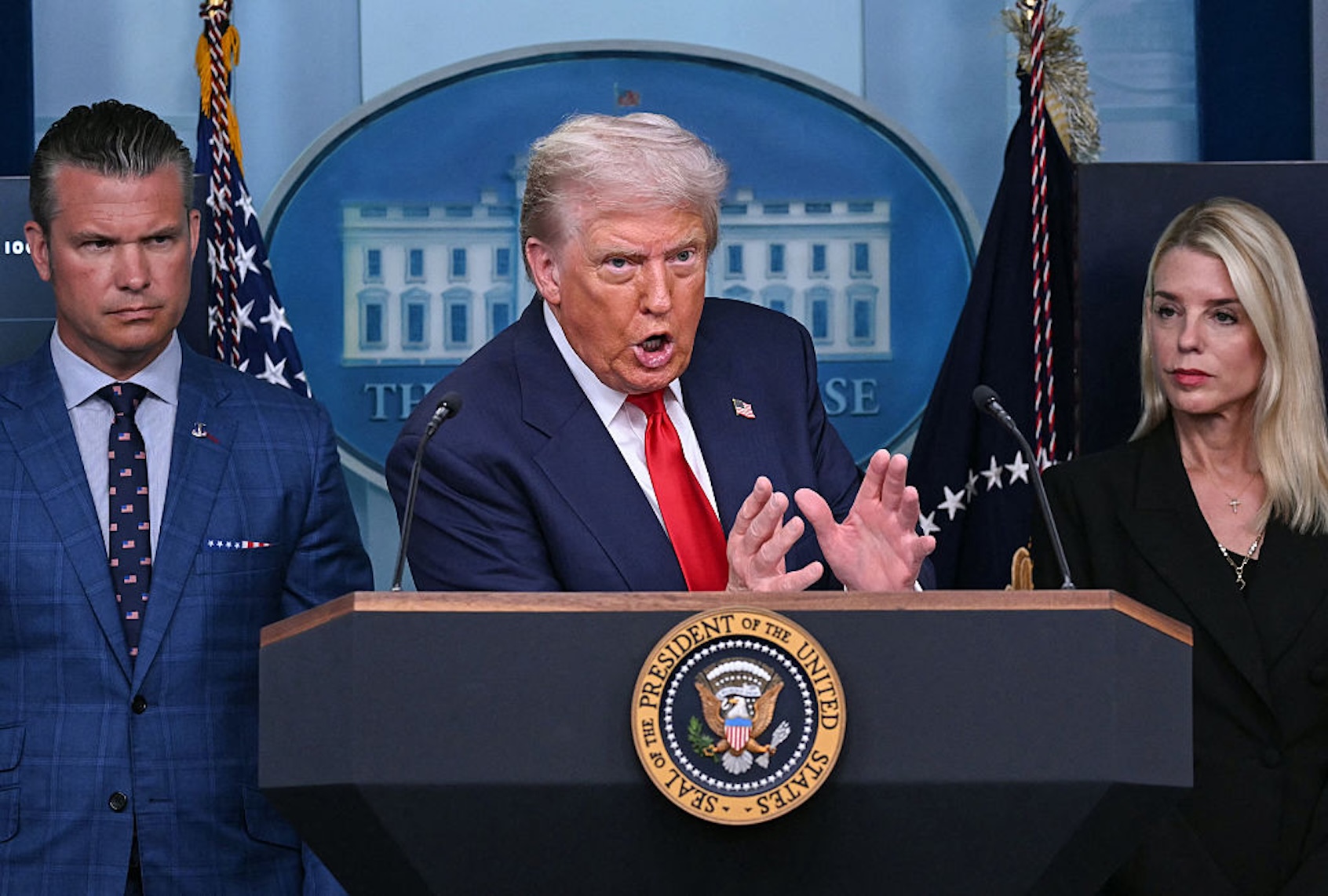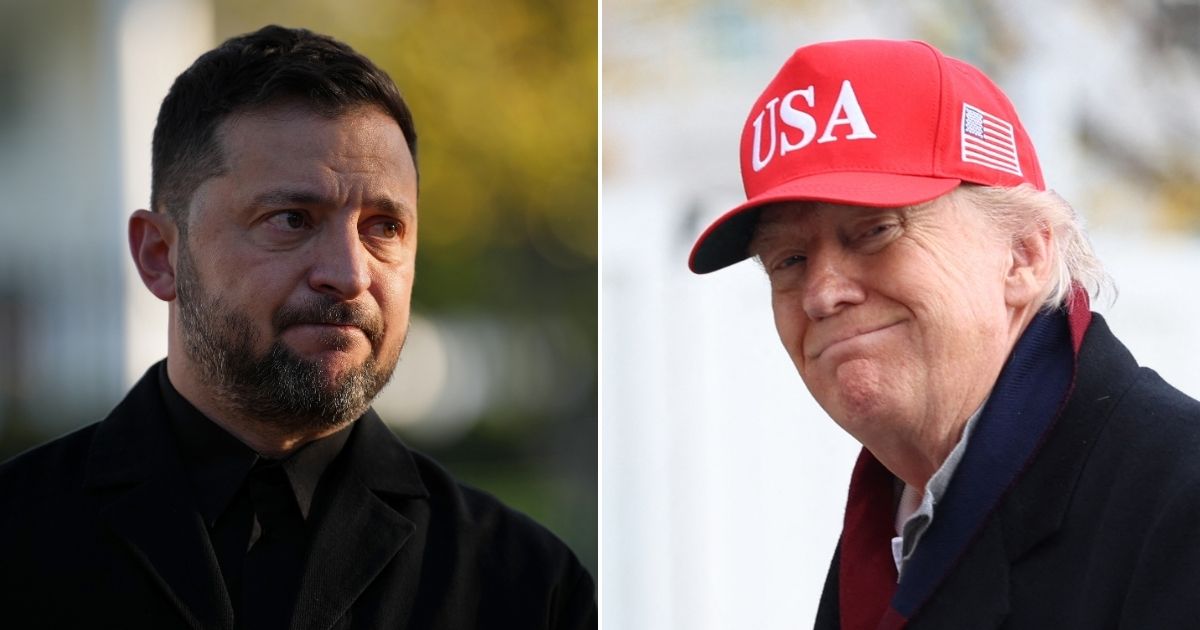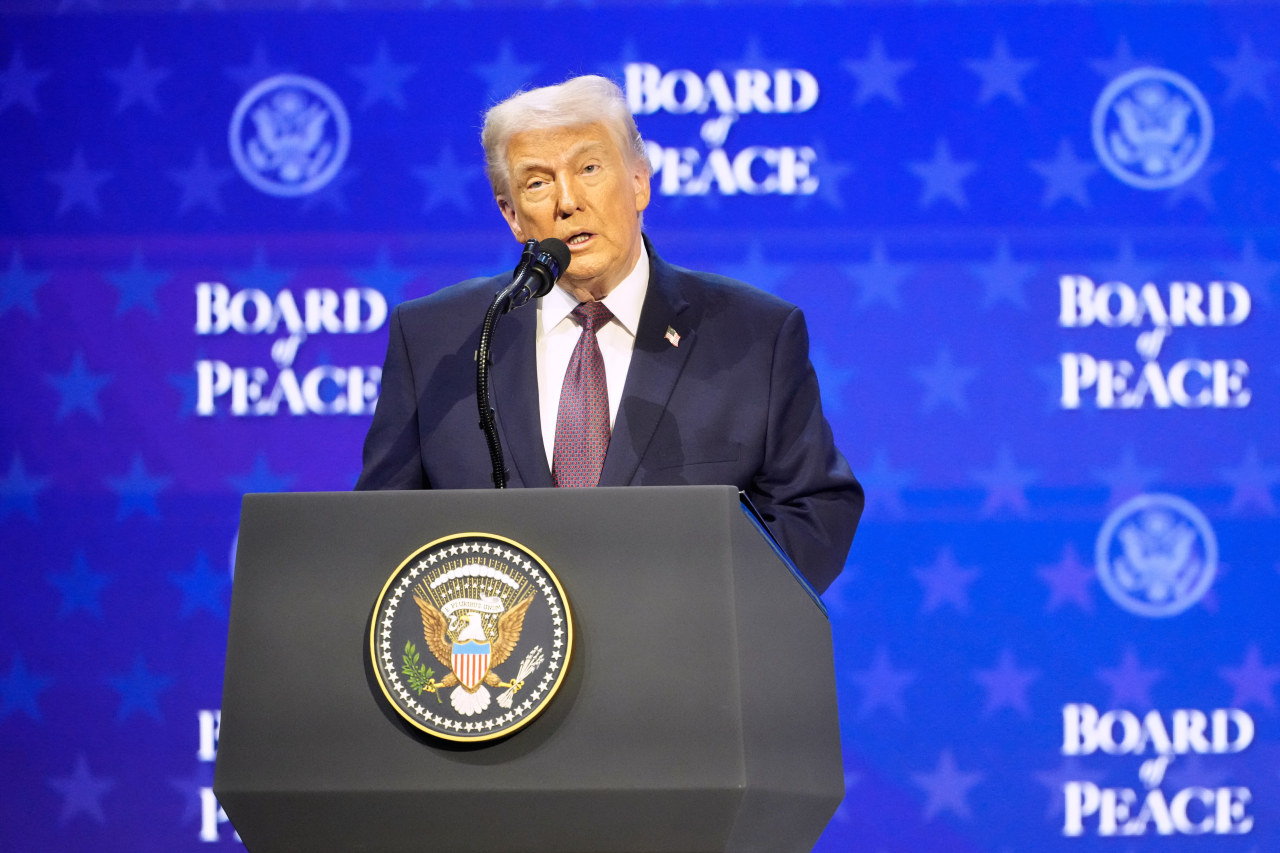
Donald Trump continues to stir political controversy, seemingly unable to tolerate moments of calm. His latest actions indicate a compulsive need to create drama, reflecting a broader pattern of behavior that has defined his public persona. As the political landscape shifts in the United States, particularly with the upcoming elections, Trump’s penchant for chaos raises questions about his influence and the implications for the Republican Party.
In recent weeks, Trump has intensified his rhetoric, particularly surrounding key events such as the January 6, 2021, attack on the U.S. Capitol. His comments and actions have led to heightened tensions within the political arena, with many observers noting that his strategy appears to rely on generating conflict to maintain relevance. According to a recent analysis by CNN, Trump’s approach is not merely a personal trait; it is a calculated effort to keep his base engaged and energized as the presidential race heats up.
Creating Drama for Political Gain
Trump’s ability to dominate headlines is well-documented. His frequent appearances on platforms such as Fox News serve as a vehicle for his dramatic assertions, from questioning election integrity to attacking both political opponents and allies. This strategy seems to resonate with his supporters, who thrive on the sense of urgency and excitement he brings to the political discourse.
Recent polls indicate that Trump’s influence within the Republican Party remains strong, with a significant segment of the voter base still rallying behind him. A recent survey conducted by a leading polling firm shows that approximately 65% of Republican voters view him favorably, a testament to his enduring appeal. As the 2024 election approaches, Trump’s approach to politics suggests he will continue to leverage controversy as a means to galvanize support.
Moreover, the Biden Administration’s response to Trump’s antics has varied, with some officials opting for a strategy of silence to avoid giving him additional attention. Political analysts suggest that this approach may inadvertently allow Trump to further his narrative and maintain his grip on the Republican base.
The Implications of Trump’s Actions
The consequences of Trump’s ongoing drama extend beyond his personal ambitions. His tactics have significant implications for the broader political landscape in the United States. As political divisions deepen, the potential for escalating conflicts becomes more pronounced. Observers note that Trump’s continual cultivation of discord risks further polarization, which could impact voter turnout and engagement in the upcoming elections.
While some may argue that Trump’s actions are merely a reflection of his personality, others view them as a deliberate strategy to manipulate public sentiment. This has led to a complex relationship between Trump, the media, and the electorate. For instance, Trump’s ability to command attention has led to a media cycle that often prioritizes his statements over substantive policy discussions.
Ultimately, as the political scene evolves, Trump’s affinity for drama raises critical questions about the future of the Republican Party and the direction of U.S. politics as a whole. With the 2024 elections on the horizon, his actions will likely continue to shape the narrative, compelling both supporters and opponents to respond in kind.
As the situation unfolds, it remains clear that Trump’s influence is far from waning. His knack for stirring controversy ensures that he will remain a significant figure in American politics, with the potential to reshape the electoral landscape in profound ways.