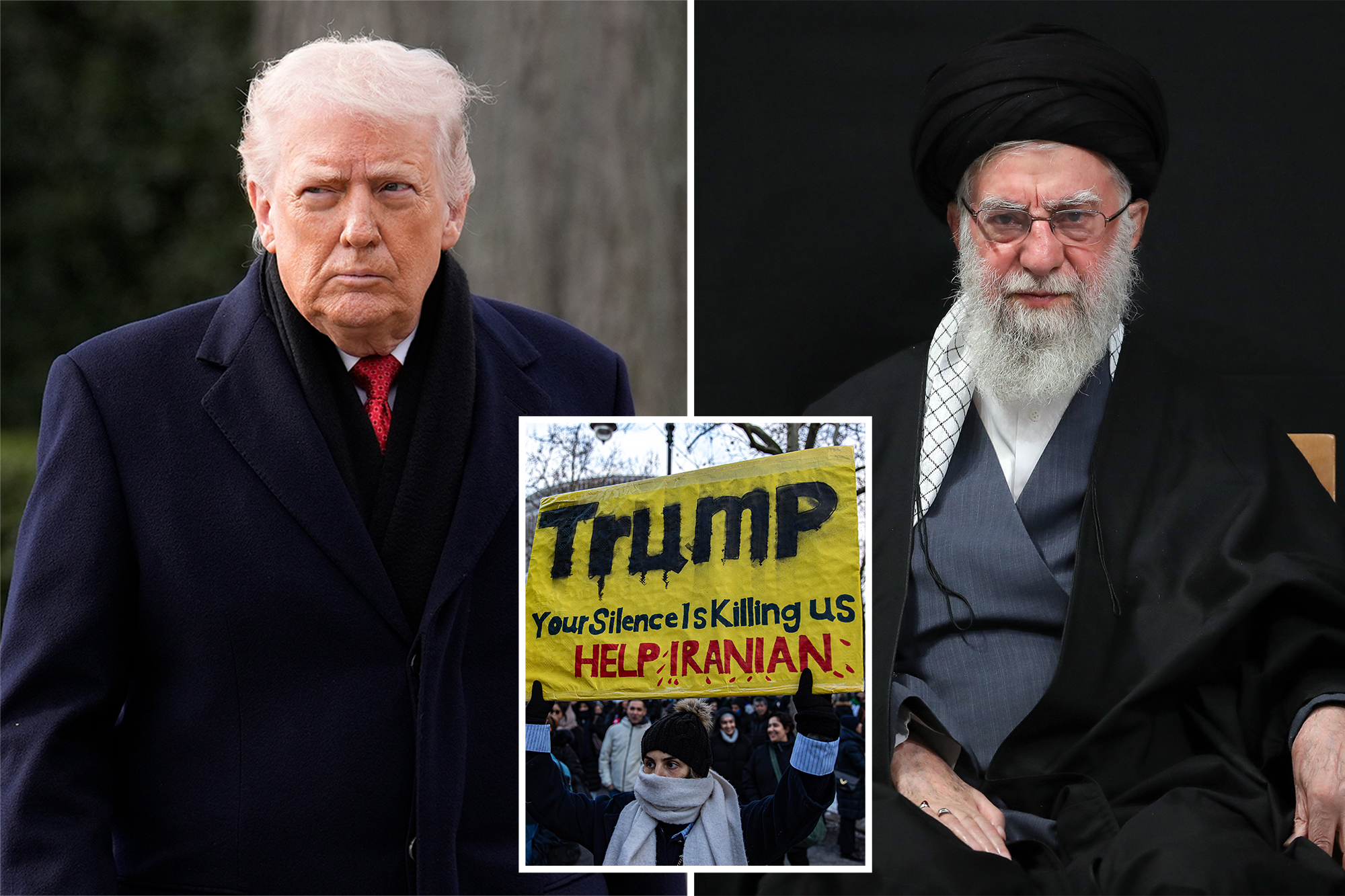
President Donald Trump has issued a stark warning to Canada, threatening to impose a 100% tariff on Canadian goods imported into the United States if the country proceeds with its trade agreement with China. This announcement came through a social media post on March 23, 2024, where Trump expressed strong disapproval of Canadian Prime Minister Mark Carney‘s potential actions.
In his post, Trump stated, “If Canada makes a deal with China, it will immediately be hit with a 100% Tariff against all Canadian goods and products coming into the U.S.A.” He criticized Carney for considering Canada as a “Drop Off Port” for Chinese products, suggesting that this would not be tolerated by the U.S. administration.
The tension arises as Canada has recently negotiated a trade agreement with China aimed at lowering tariffs on Chinese electric vehicles. In return, China has agreed to reduce import taxes on Canadian agricultural products. While Trump’s stance has escalated tensions, he initially seemed supportive of Carney’s efforts, stating that signing a trade deal could benefit Canada.
Despite the earlier positive tone, Trump’s latest comments reflect a significant shift in his administration’s approach to international trade, particularly with Canada. Over the past year, Trump has engaged in a series of trade disputes, often leveraging tariffs as a tool to influence foreign trade policies.
This situation highlights the complexities of international trade relationships, especially in an era marked by fluctuating alliances and economic strategies. The potential for a 100% tariff could have profound implications for Canadian exporters, who rely heavily on the U.S. market for their goods.
As this trade saga unfolds, both countries will need to navigate the challenges of their economic interdependence while considering the broader implications of their trade policies. The outcome could reshape not only the Canada-China relationship but also how the U.S. engages with its northern neighbor.
This development underscores the importance of diplomatic negotiations in maintaining stable trade relations, as both countries prepare to respond to the evolving landscape of international commerce.