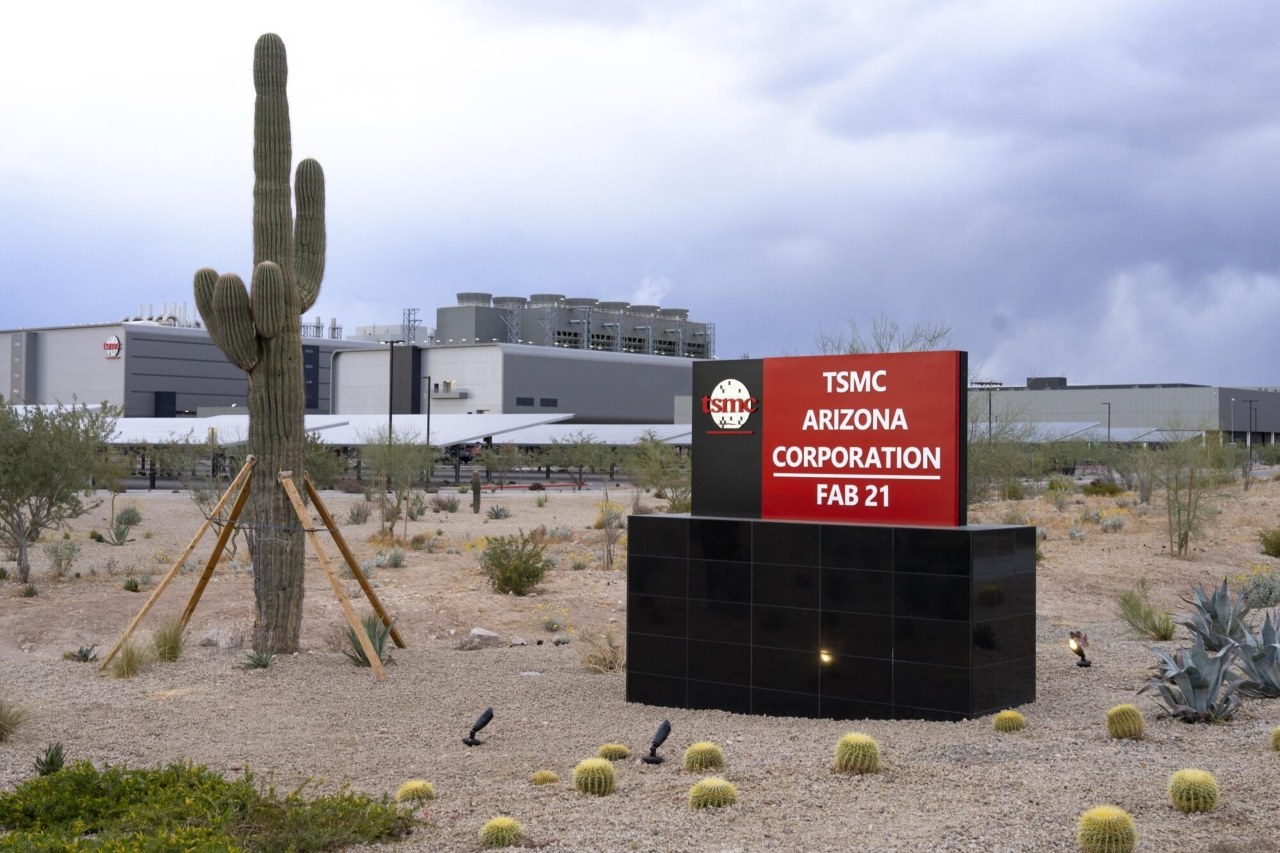
Taiwan Semiconductor Manufacturing Company (TSMC) is intensifying its investment in the United States, marking a significant shift in its operational strategy. The company aims to establish a stronger presence in the U.S. amid rising geopolitical tensions and changing market dynamics. This move reflects both business imperatives and the increasing importance of national security in the semiconductor sector.
TSMC has been a cornerstone of Taiwan’s economy for decades, often referred to as the island’s “Silicon Shield.” This moniker highlights the company’s critical role in safeguarding Taiwan’s technological infrastructure. However, recent developments in global politics and supply chain vulnerabilities have prompted TSMC to rethink its strategy. The company recognizes that a robust U.S. presence can enhance its resilience and reduce dependency on a singular geographic region.
Strategic Investments and Future Plans
In a series of announcements, TSMC has outlined plans to invest approximately $40 billion in the U.S. over the next several years. This investment will focus on expanding its manufacturing capabilities, particularly in Arizona, where a new facility is under construction. The Arizona plant is expected to produce cutting-edge chips starting in 2024, which will play a vital role in supporting various sectors, including automotive, telecommunications, and consumer electronics.
The decision to bolster U.S. operations aligns with broader trends in the semiconductor industry, where manufacturers are increasingly diversifying their supply chains. TSMC’s expansion not only aims to meet domestic demand but also addresses concerns raised by U.S. policymakers regarding reliance on foreign production. The U.S. government has been actively promoting domestic semiconductor manufacturing as part of its strategy to enhance technological independence.
Geopolitical Context and Market Dynamics
The geopolitical landscape has shifted dramatically in recent years, particularly with the growing tensions between the U.S. and China. TSMC’s leadership acknowledges that the semiconductor industry plays a crucial role in national security. As a result, the company is prioritizing investments in regions that align with U.S. government objectives.
According to industry analysts, TSMC’s U.S. expansion could potentially reshape the competitive landscape. By establishing manufacturing capabilities closer to its key clients, including major technology firms, TSMC stands to enhance its service offerings and strengthen relationships with American companies. This strategic positioning could lead to increased revenue and market share in the competitive semiconductor market.
As TSMC charts this new course, the implications extend beyond corporate strategy. The company’s actions may influence global supply chains and impact pricing structures within the semiconductor industry. The move signals a shift towards a more localized manufacturing approach, which could have lasting effects on the dynamics of global technology markets.
In conclusion, TSMC’s commitment to expanding its U.S. operations represents a pivotal moment in the semiconductor industry. By diversifying its manufacturing capabilities and reducing dependency on Taiwan, TSMC is not only securing its business future but also responding to the evolving geopolitical landscape. As the company moves forward, its actions will likely resonate throughout the global economy, shaping the future of technology and innovation.