A U.S. special operations team conducted a significant maritime operation last month, boarding a ship in the Indian Ocean and seizing military-related cargo destined for Iran from China. This action underscores ongoing efforts to limit Tehran’s ability to enhance its military capabilities.
According to U.S. officials, the operation took place in August 2023 and was part of broader efforts to curb Iran’s military resurgence. The specific nature of the cargo has not been disclosed, but it is believed to consist of articles that could bolster Iran’s military arsenal.
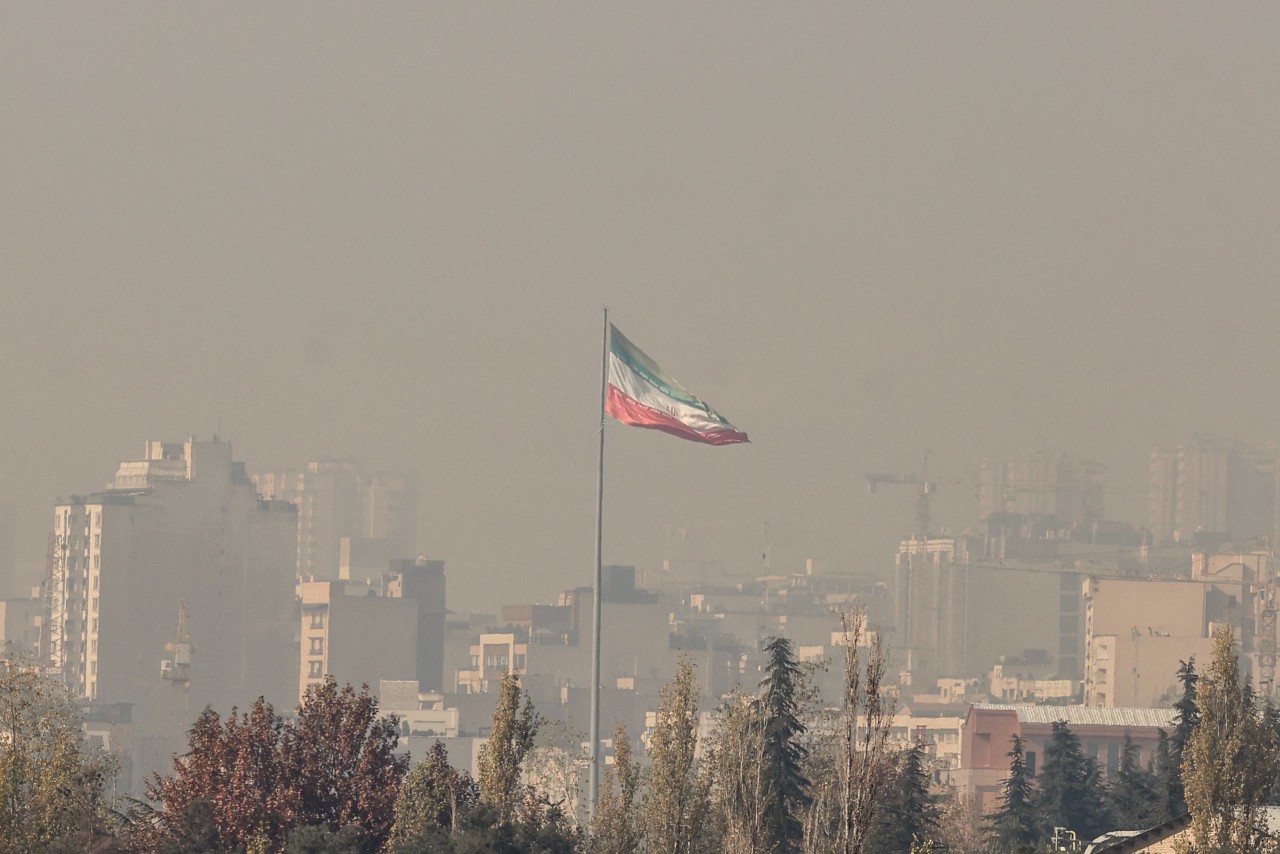
The interception of the cargo highlights the ongoing tensions between the United States and Iran, particularly in light of Iran’s controversial nuclear program and its support for various militant groups in the region. U.S. authorities have consistently expressed concerns that Iran’s military advancements pose a threat not only to regional stability but also to global security.
Details of the Operation
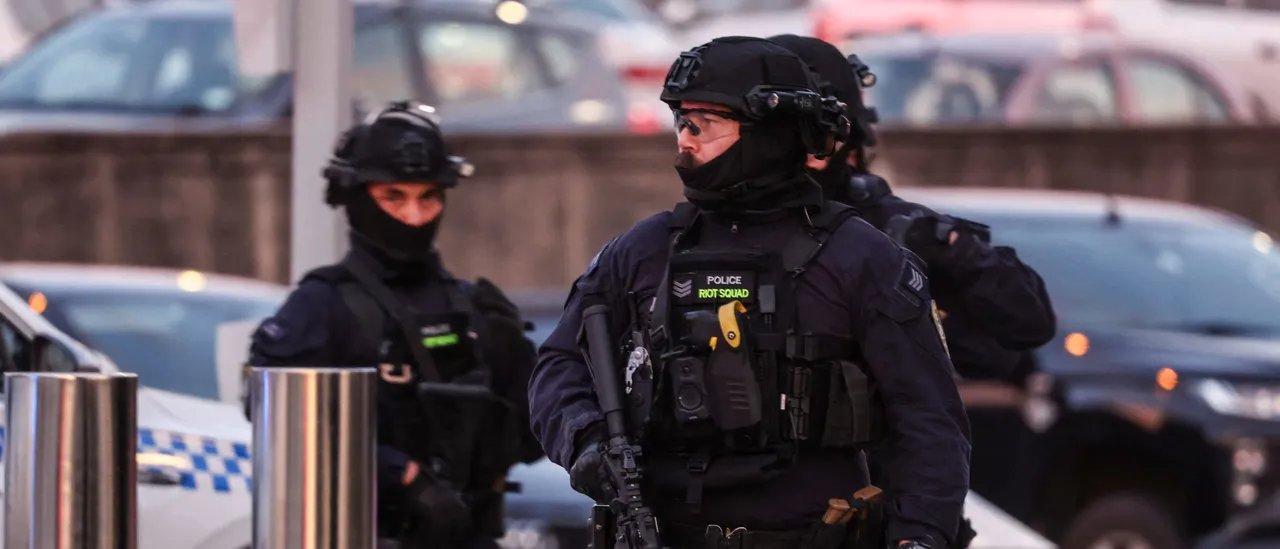
The U.S. forces engaged in this operation as part of their maritime security efforts, which aim to disrupt illicit arms shipments. The boarding of the vessel was executed with precision, reflecting the training and readiness of U.S. special operations personnel.
This incident is not isolated. Over the past few years, there have been multiple instances of U.S. forces intercepting shipments that are believed to violate international sanctions imposed on Iran. Such operations are intended to enforce compliance with United Nations resolutions and U.S. laws.
The U.S. government remains firm on its policy towards Iran, emphasizing that any military support from other nations, particularly in the form of arms shipments, will be met with scrutiny and potential intervention. The operation in the Indian Ocean is seen as a clear message to both Iran and its allies about the United States’ commitment to countering threats in the region.
International Reactions
The seizure of the cargo has drawn varied reactions from the international community. Some nations support the U.S. stance, viewing it as a necessary measure to prevent the proliferation of weapons in a volatile region. Others, however, criticize such actions as escalatory and detrimental to diplomatic efforts aimed at resolving tensions with Iran.
As the geopolitical landscape continues to evolve, the implications of this operation may extend beyond immediate military concerns. It raises questions about the effectiveness of current sanctions and the ongoing challenges of enforcing them in international waters.
In summary, the U.S. special operations team’s intervention in the Indian Ocean illustrates the complexities of modern military engagements and the persistent challenges faced in controlling arms trafficking, particularly involving nations like Iran. The operation serves as a reminder of the delicate balance between national security interests and international diplomatic relations.