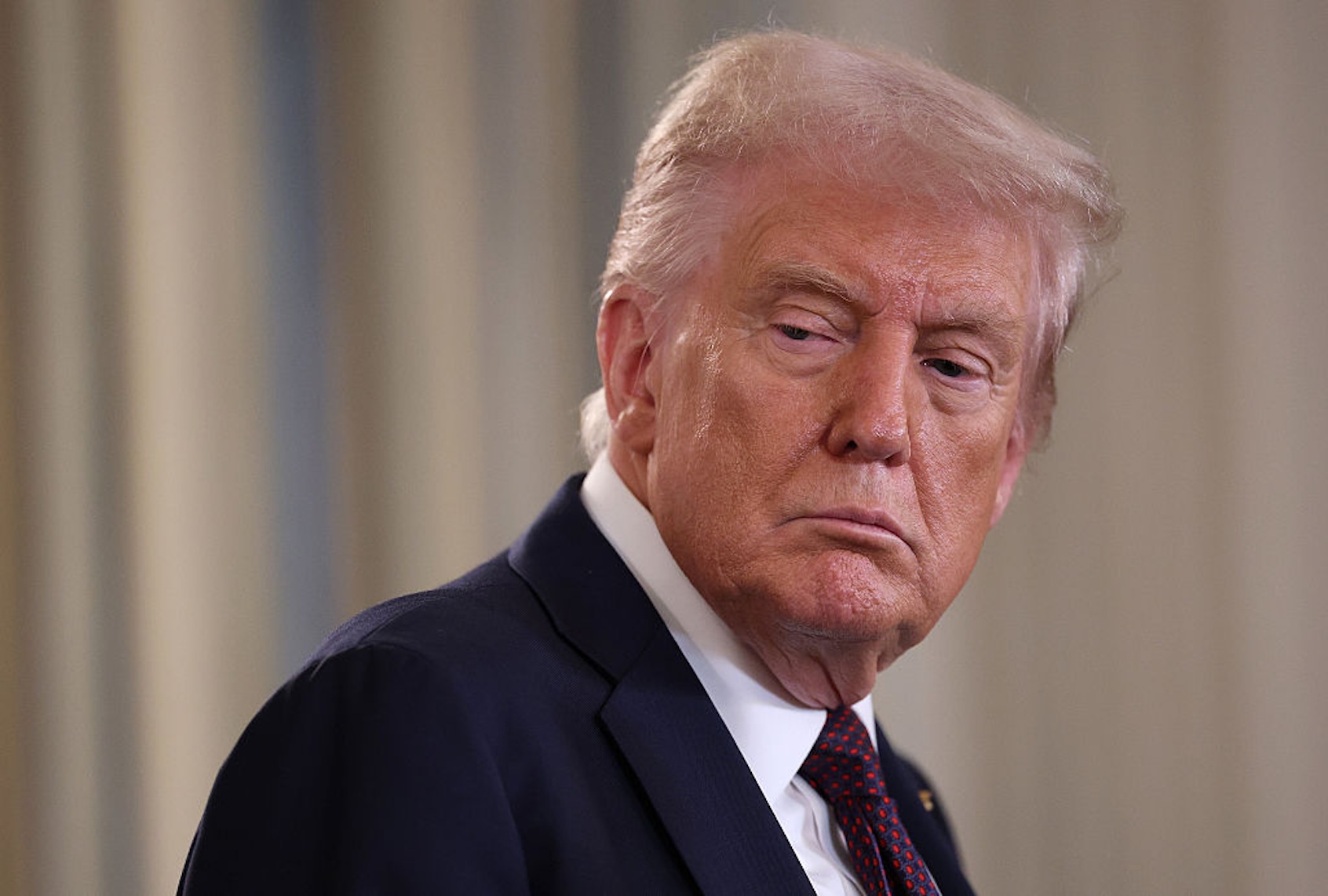
On December 25, 2023, a series of U.S. missile strikes in Sokoto State, northwest Nigeria, left residents grappling with fear and uncertainty. President Donald Trump ordered the strikes as part of an operation targeting what he described as Islamic State terrorists responsible for violence against Christians in the region. This has sparked widespread concern, particularly among the local Muslim population.
Local Impact of the Strikes
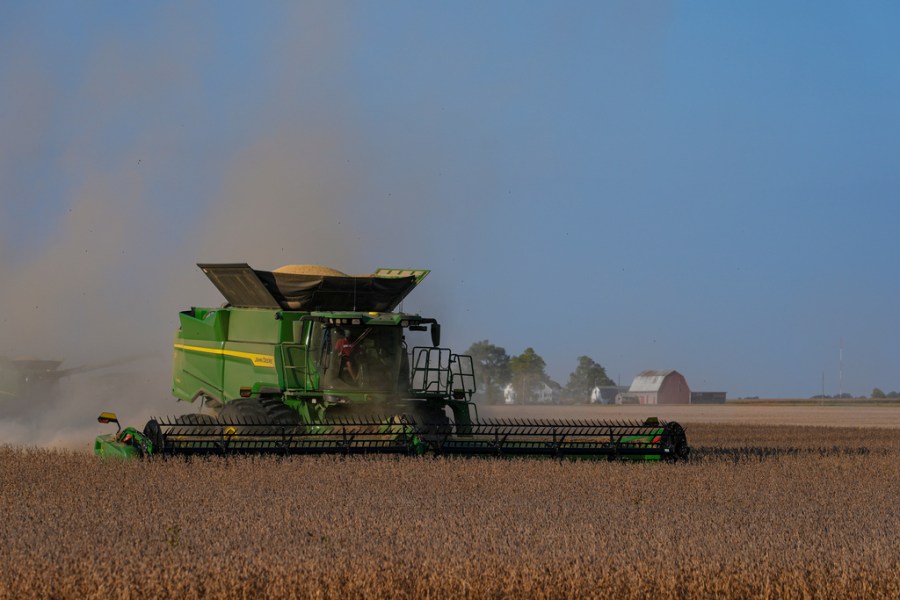
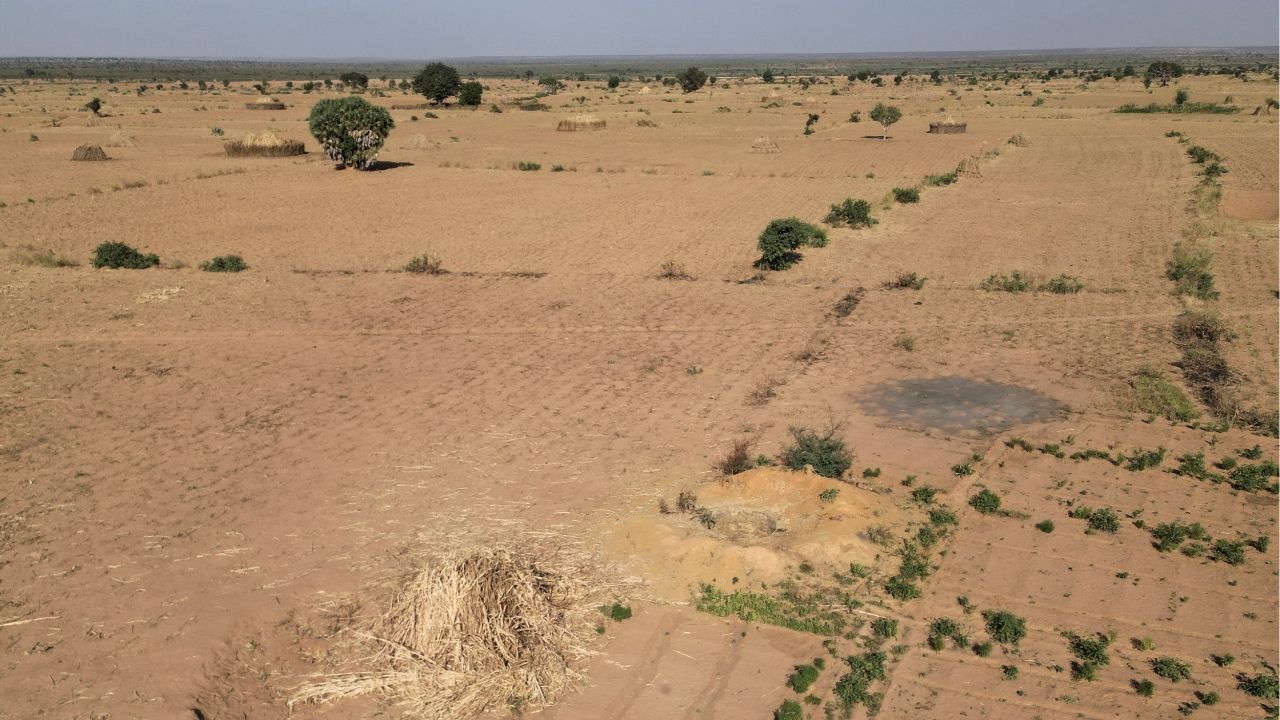
In the small farming town of Jabo, three herders traveled over 160 miles to witness the aftermath of the strikes. They arrived at a crescent-shaped crater in a cornfield, created by a Tomahawk missile that struck the area on Christmas night. The herders expressed confusion over why the U.S. military would target a farming community during the onion harvest.
Local residents have reported that while Nigerian officials claim the missile debris fell accidentally in Jabo, the perception among the people is different. Many believe the strikes were a sign of U.S. hostility toward Muslims. Mohammed Abubakar, a herder who visited the site, voiced his hopes that such attacks would not recur, emphasizing that the community had not seen evidence of terrorism in the area.
Following the missile strikes, families in Jabo have been inspecting their farmland for damage. Some believe the strikes may have eliminated the terrorists, while others remain skeptical, noting that the missiles primarily damaged unoccupied buildings and farmland.
Context of Violence in Nigeria
The violence in Nigeria, particularly in Sokoto State, is often attributed to groups like the Lakurawa, which some analysts link to Islamic State affiliates. Reports indicate that this group has been responsible for terrorizing both Christians and Muslims, contributing to an atmosphere of fear throughout the region. Recent attacks in Niger State resulted in numerous fatalities and abductions, further exacerbating local tensions.
Abdullahi Bako, a Muslim farmer and herder from the Tangaza area, detailed the impact of the Lakurawa’s activities. He described how the group initially intervened to stop cattle theft but ultimately imposed a strict form of Islam that included prohibitions on music and social gatherings. Bako mentioned that he had paid the Lakurawa 3 million naira (approximately $2,000) for damages caused by his livestock, but claimed the group kept the funds instead of compensating affected farmers.
As the U.S. military continues to assess the impacts of the strikes, local residents remain anxious about their safety and the potential for further conflict. Some fear that the narrative surrounding the strikes could lead to increased targeting of Muslim communities in Nigeria. The White House has not responded to inquiries regarding the implications of these military actions.
The situation in Sokoto reflects broader challenges Nigeria faces with violence that impacts all communities, regardless of faith. As residents continue to navigate the aftermath of the strikes, the future remains uncertain, and the quest for peace in the region becomes increasingly complex.