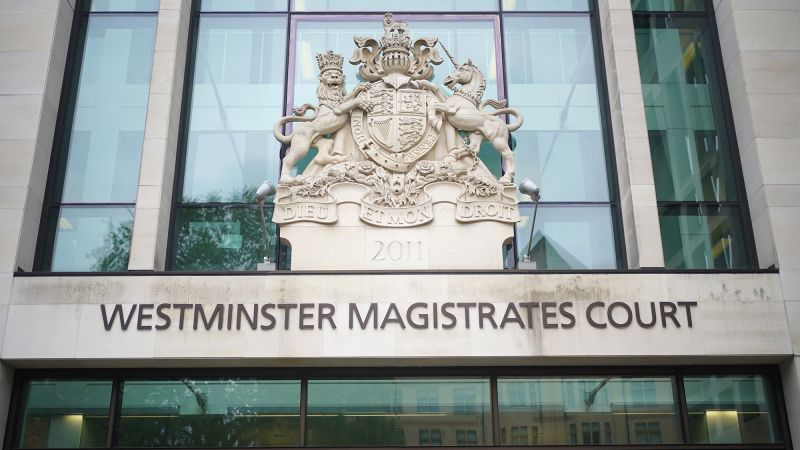
The UK government has proposed significant changes to its jury trial system, a move that has reignited a long-standing debate over the right to be tried by one’s peers. Announced by Justice Secretary David Lammy earlier this month, the reforms aim to alleviate the growing backlog of cases in the court system by establishing a new tier of jury-free courts for certain criminal offenses. This change could impact how justice is administered in cases involving fraud, robbery, and drug offenses, where defendants could face sentences of up to three years.
Currently, the UK faces a backlog of nearly 80,000 criminal cases, a number projected to rise to 100,000 by 2028. Victims of serious crimes, including sexual assault, murder, and human trafficking, will still have the right to jury trials, but the new measures will not apply in Scotland or Northern Ireland, both of which operate their own justice systems. Critics argue that the proposed reforms could undermine the fairness of trials and diminish the rights of defendants.
The backlog is exacerbated by delays linked to the COVID-19 pandemic, with many victims waiting up to four years for their cases to be heard. A report from the Victims’ Commissioner, published in October, highlighted the struggles faced by victims within an overstressed justice framework. One victim of assault shared his experience, revealing that he was told by the Crown Prosecution Service that his case would likely not proceed due to the backlog, despite having substantial evidence against the perpetrator.
Advocates of the reform, including Minister of State for Courts and Legal Services Sarah Sackman, have expressed that the changes are necessary to address the prolonged wait times that victims face. Sackman stated in the House of Commons on December 8, 2023, that “justice delayed is justice denied.”
Concerns Over Fairness and Historical Rights
The proposed reforms have sparked widespread criticism across the political spectrum. Robert Jenrick, the Shadow Justice Minister, condemned the changes as a “disgrace,” arguing that they infringe upon an ancient right. Trial by jury has been a cornerstone of the British legal system since the Magna Carta in the 13th century, symbolizing the protection of individual rights against state power.
A YouGov poll conducted in November 2023 indicated that a majority of the public, 54%, would prefer a jury to decide their fate if accused of a crime. Helena Kennedy KC, a member of the House of Lords, expressed concern over the perception that ordinary citizens are incapable of performing jury duties, emphasizing that jury service is a vital aspect of democratic responsibility.
Legal experts argue that jury trials mitigate biases that may occur in judge-led proceedings. A 2017 review by Lammy into the treatment of Black, Asian, and Minority Ethnic individuals in the justice system indicated that jury trials likely produce fairer outcomes than judge-only trials, as they draw from a diverse pool of jurors.
Alternative Solutions Suggested
Despite the push for reform, many believe that existing court resources should be better utilized rather than overhauling the jury system. Recently, 39 Labour Party backbenchers urged Prime Minister Keir Starmer to reconsider the proposed changes, arguing for an increase in the number of court sitting days to address the backlog more effectively. They noted that around 130,000 sitting days are currently available, yet 20,000 of those are restricted annually.
Organizations such as Rape Crisis England & Wales have long advocated for reforms within the justice system, particularly concerning sexual offenses. A report released by the organization in November 2023 detailed how the current system often retraumatizes survivors, leading to multiple trial postponements that disrupt lives and sometimes cause victims to withdraw from the process entirely.
As the UK government proceeds with its plans, the ongoing dialogue about the balance between efficiency in the justice system and the preservation of fundamental rights continues to unfold. Legal professionals, victims, and advocates alike are watching closely, as the outcome of these reforms could redefine how justice is served in the UK.