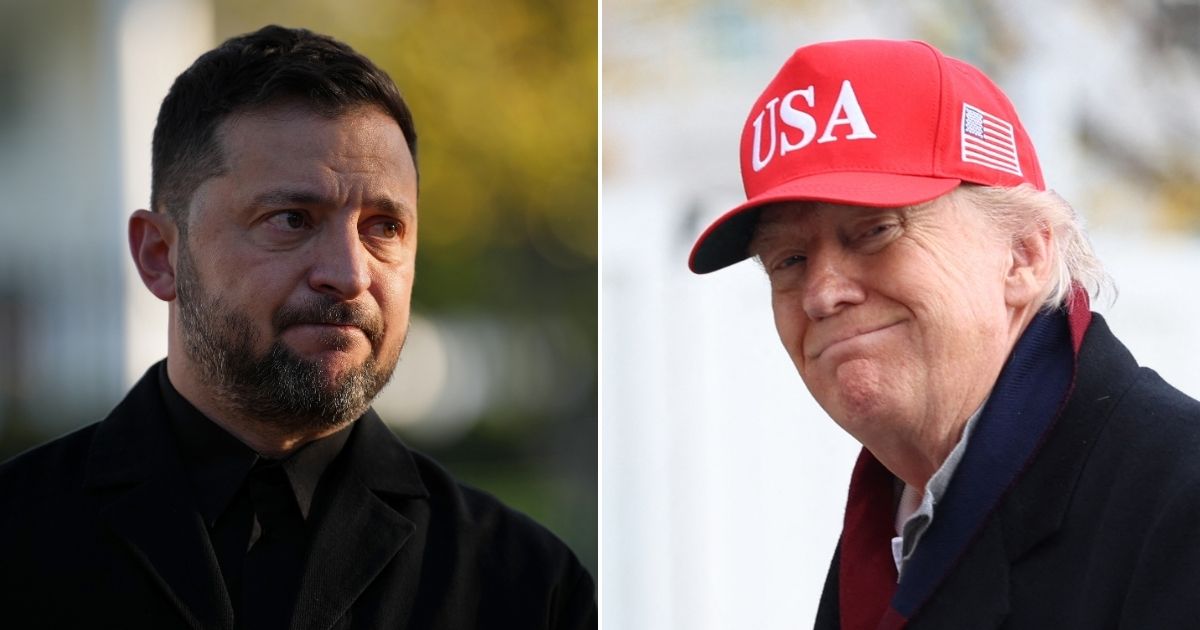
Ukraine has reached a preliminary agreement on a peace proposal developed by the Trump administration, according to a U.S. official who spoke with ABC News on October 3, 2023. This agreement emerged from discussions held in Geneva, and it could pave the way for resolving the ongoing conflict that has persisted for nearly four years, marking the bloodiest period in Europe since the Second World War.
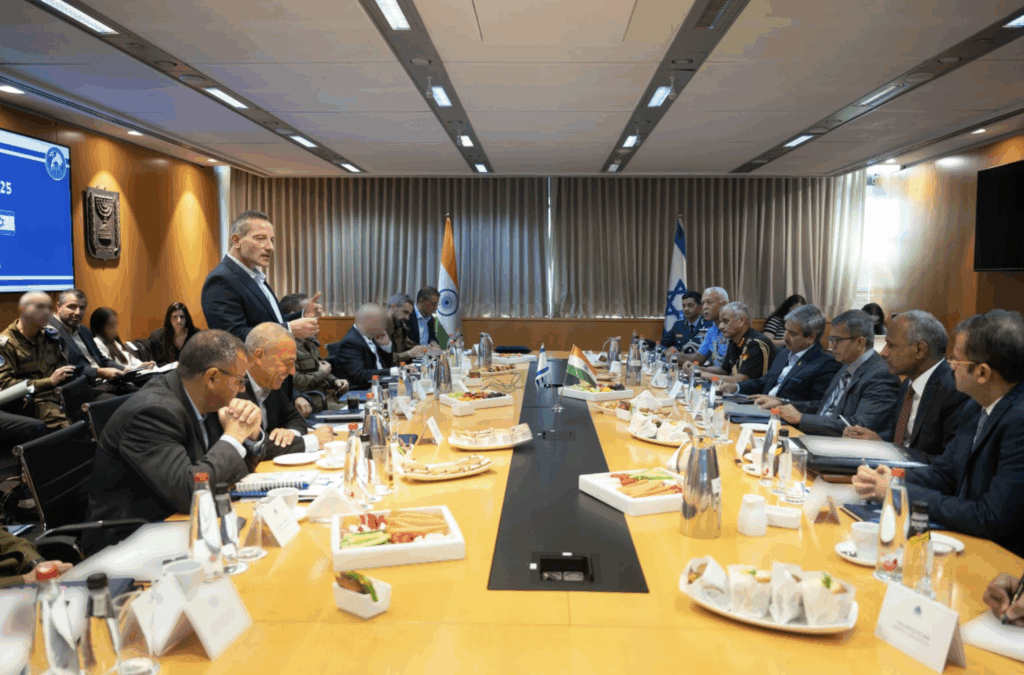
The breakthrough was reported following clandestine negotiations in Abu Dhabi on October 2, 2023, where U.S. Army Secretary Dan Driscoll engaged with Russian officials. The official stated that the Ukrainian delegation had come to an understanding with U.S. representatives during these talks. Only “minor details” remain unresolved, indicating a significant step towards formalizing the peace deal.
Progress in Negotiations
Lt. Col. Jeffrey Tolbert, a spokesman for the U.S. Army, confirmed that Driscoll and his team were actively involved in discussions with Russian negotiators on both Monday and Tuesday. Tolbert characterized the negotiations as moving in a positive direction, highlighting the potential for a resolution.
While the specifics of the agreement have not been publicly confirmed by Ukraine or Russia, the U.S. has acknowledged the participation of key figures including Secretary of State Marco Rubio and Special Envoy Steve Witkoff in the Abu Dhabi talks. This level of engagement underscores the U.S. commitment to facilitating peace in the region.
According to ABC News, the original 28-point peace plan introduced last week has been condensed to 19 points. Notable amendments include the removal of provisions related to wartime amnesty and restrictions on the size of Ukraine’s military, which Russia initially sought to limit to 600,000 troops.
Potential Challenges Ahead
Despite the apparent progress, CNN reported that the Russian delegation might withdraw from negotiations if the terms proposed differ significantly from those outlined by President Vladimir Putin during his meeting with President Donald Trump in Alaska in August. This adds an element of uncertainty to the ongoing discussions.
The situation remains fluid, and both sides have yet to finalize the terms of the agreement. The outcome of these negotiations holds the potential to drastically reshape the geopolitical landscape in Eastern Europe, impacting not only the involved nations but also international relations more broadly.
As developments unfold, the world watches closely to see if this agreement can bring an end to the conflict and foster lasting peace in the region.