A United Nations expert has called for the immediate reversal of the Taliban’s ban prohibiting female staff from entering UN premises in Afghanistan. The ban, which Susan Ferguson, the UN Women Special Representative in Afghanistan, described as a violation of fundamental human rights, poses a significant threat to vital services in the wake of recent earthquakes.
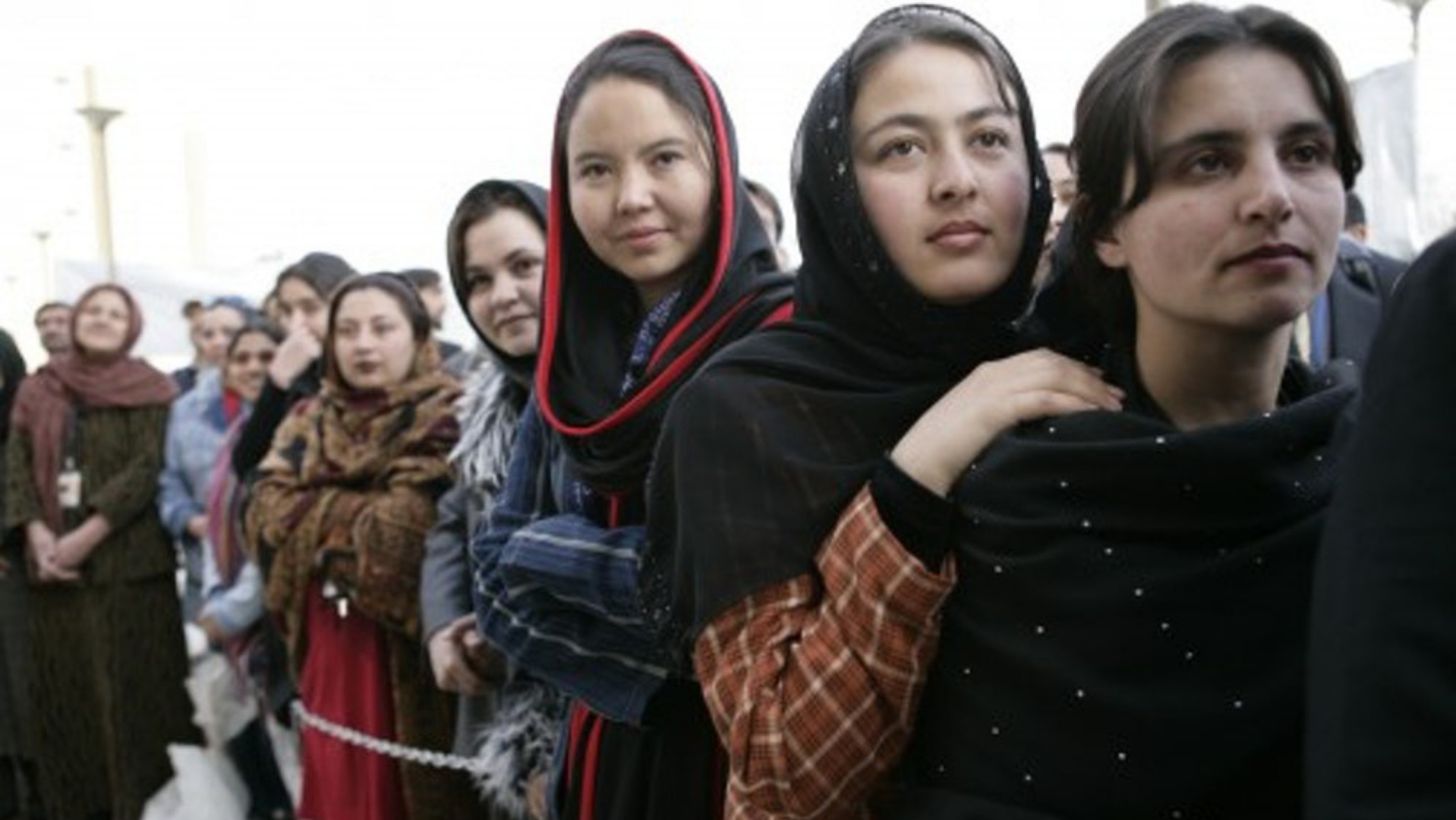
The earthquake, which struck the Balkh and Samangan provinces of northern Afghanistan on November 6, 2023, registered a magnitude of 6.3, resulting in over 25 deaths and injuring more than 1,000 people. Ferguson emphasized that Afghan women staff and contractors have continued to operate with exceptional professionalism, providing critical support from their homes and communities. They have been instrumental in aiding returnees from Pakistan and Iran, and addressing the urgent demands for food, clean water, and healthcare among women and children affected by the disaster.
Ferguson pointed out that the ban undermines Article 55(c) of the UN Charter, which mandates universal respect for human rights and fundamental freedoms without any discrimination based on race, sex, language, or religion. Afghanistan has been a member of the UN since 1946, thereby automatically ratifying the UN Charter and its obligations. Since the Taliban assumed power in 2021, the situation for women in the country has dramatically deteriorated.
Richard Bennet, the UN Special Rapporteur on human rights in Afghanistan, has criticized the Taliban for employing legal measures to oppress women, effectively weaponizing the law, which he argues constitutes crimes against humanity. He highlighted the dismissal of approximately 270 women judges, whose positions were replaced by male counterparts, in line with the regime’s hardline ideology. Bennet noted that Afghanistan’s 2004 Constitution and other laws previously offered protections to women, including regulations against rape, forced marriage, and various forms of violence.
Since the Taliban’s decree in September 2023, women have been barred from entering UN facilities in Kabul, the capital of Afghanistan. Security forces have been deployed to enforce this edict, eliciting severe condemnation from both human rights groups and the UN. The measures have been described as a serious breach of “international rules on the privileges and immunities of the organization’s personnel.”
The ongoing situation raises critical concerns about the future of women’s rights in Afghanistan and the implications for humanitarian efforts in the region. As the international community watches closely, the call for the Taliban to reconsider this ban highlights the urgent need for adherence to human rights and the essential role women play in rebuilding their communities following crises.