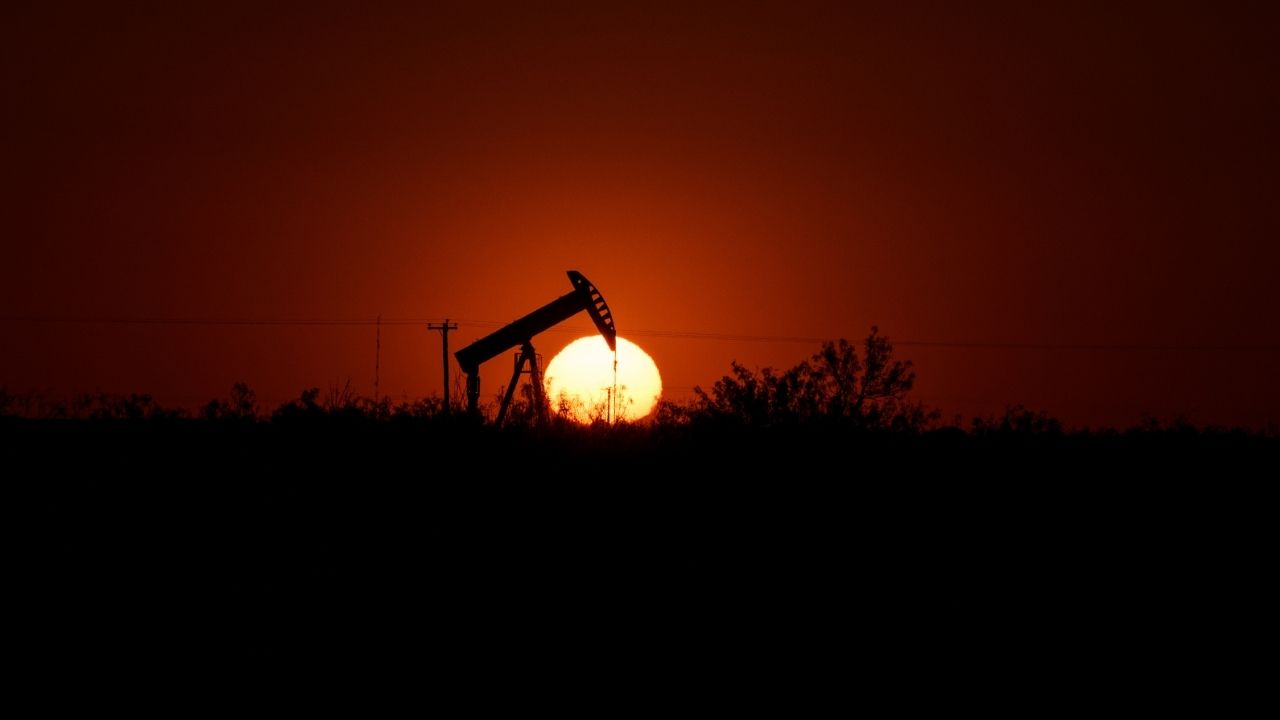
As of March 30, 2021, the United States has officially withdrawn from the Paris Climate Agreement, making it the only nation globally to abandon this international commitment aimed at mitigating climate change. This withdrawal follows a year-long process initiated by former President Donald Trump, who signed an executive order to exit the agreement in 2020. Earlier this month, Trump indicated that the U.S. would also leave the United Nations treaty that supports the Paris accord, which was ratified by the U.S. Senate in 1992.
This dual withdrawal underscores the growing isolation of the United States in the global effort to combat climate change. The country is currently the second-largest emitter of greenhouse gases, following China, and has been the largest historical contributor to emissions. These gases remain in the atmosphere for decades, exacerbating issues such as sea level rise, heat waves, and extreme weather events like floods and droughts.
Taylor Rogers, a spokesperson for the White House, characterized the withdrawal as a victory for American values, stating, “Thanks to President Trump, the U.S. has officially escaped from the Paris Climate Agreement which undermined American values and priorities, wasted hard-earned taxpayer dollars, and stifled economic growth.”
The ramifications of this decision are significant. Wopke Hoekstra, the European Union climate commissioner, emphasized that abandoning the Paris agreement reflects a “clear absence of leadership” from the U.S. He remarked, “What others will say is, ‘How on Earth is it possible that a country with this might, with this deep a purse, and with this direct responsibility for the planet heating up, basically checks out?’”
Trump’s previous withdrawal from the Paris accord during his first term was reversed by current President Joe Biden, who rejoined the agreement shortly after taking office. By also stepping away from the U.N. treaty this time, Trump aims to complicate future efforts for a successor to restore America’s role in global climate initiatives.
Throughout his presidency, Trump has dismantled numerous climate policies and has promoted fossil fuel extraction, including coal, oil, and gas. His administration has criticized the European transition to clean energy and has pressured other nations to prioritize American fossil fuel over their own climate goals.
Opinions on the withdrawal vary significantly. Diana Furchtgott-Roth, director of the Center for Energy, Climate and Environment at the Heritage Foundation, endorsed the exit, arguing that the agreement’s goal of achieving net zero emissions by 2050 is fundamentally flawed. This target necessitates a drastic reduction in fossil fuel use and a shift towards renewable energy sources.
Conversely, Jennifer Morgan, a senior fellow at the Fletcher School at Tufts University and former climate envoy for Germany, expressed confidence that other countries will continue moving toward clean energy solutions. She noted, “It will really require leadership from the European Union and other countries to be a heavyweight against the Trump administration’s efforts to roll things back.”
The implications of this exit from the Paris Climate Agreement are likely to resonate globally, affecting the United States’ reputation in international climate discussions and potentially hindering progress toward global emissions reduction goals.