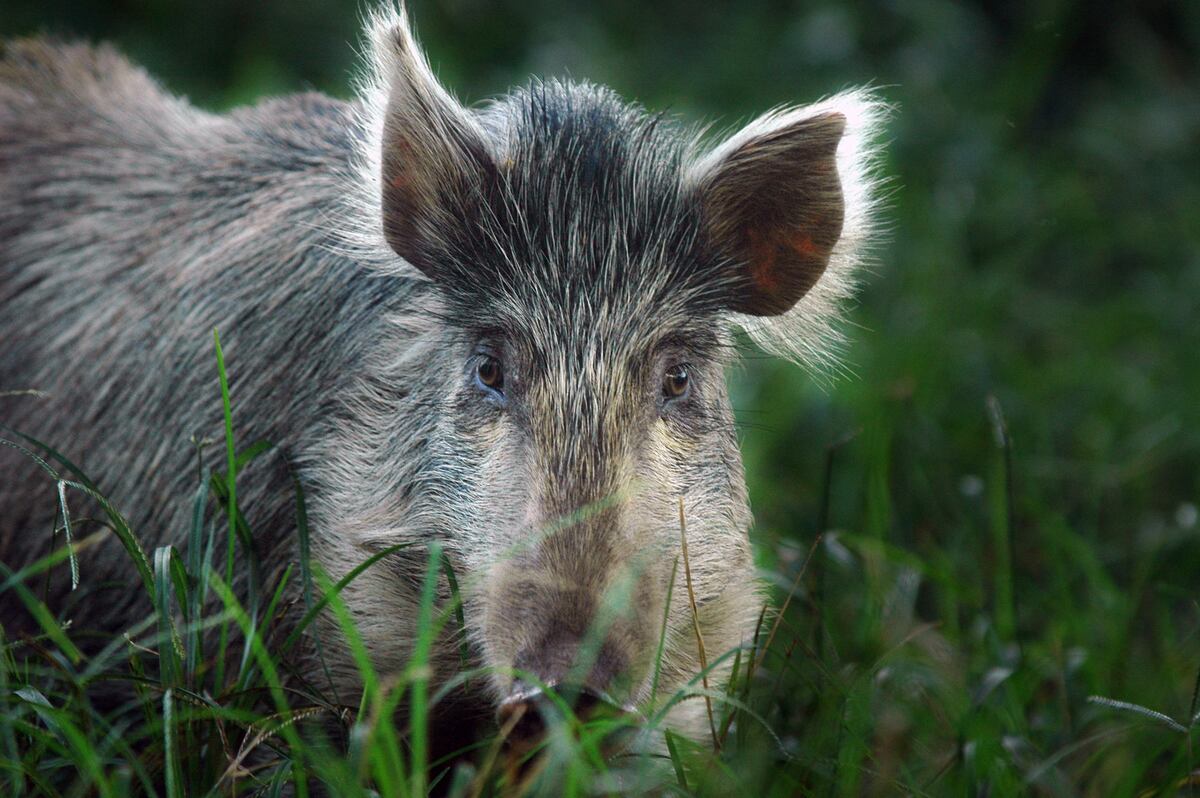
The U.S. military is discontinuing its practice of using live animals, specifically pigs and goats, for training medics to treat combat injuries. This decision, part of the 2023 defense bill, reflects advancements in simulation technology that replicate battlefield scenarios more effectively than live animal training. While the prohibition applies to “live fire” exercises involving animals, other forms of training using animals will still be permitted.
Rep. Vern Buchanan, a Republican from Florida and advocate for animal rights, championed this change, labeling it “a major step forward in reducing unnecessary suffering in military practices.” In a statement to The Associated Press, he highlighted the benefits of modern technology, stating, “With today’s advanced simulation technology, we can prepare our medics for the battlefield while reducing harm to animals.” As Co-Chair of the Animal Protection Caucus, Buchanan expressed pride in leading efforts to eliminate outdated practices.
The Defense Department will continue to allow certain forms of training involving animals, including procedures that involve stabbing, burning, and blunt force trauma. Additionally, “weapon wounding,” where weapons are tested on animals, will also remain intact. Animal rights organizations emphasize that animals involved in these exercises are supposed to be anesthetized during training and testing.
The Defense Health Agency oversees the training protocols and released a statement affirming its commitment to replace animal models without compromising medical training quality. The agency pointed to the establishment of the Defense Medical Modeling and Simulation Office as a key development in this transition, indicating a focus on “realistic training scenarios” that adequately prepare medical personnel for combat situations.
Animal rights advocates, including People for the Ethical Treatment of Animals, have welcomed this decision as a significant victory, asserting that it will save thousands of animal lives annually. They described the policy shift as a “historic move towards state-of-the-art, human-relevant simulation technology.”
The extent of the military’s previous use of animals for training purposes remains unclear. Past defense bills have sought to limit the use of live animals for trauma training. A report from the Government Accountability Office in 2022 indicated that legislation passed in 2013 required the Pentagon to develop a strategy to transition to human-based training methods. Furthermore, a statute enacted in 2018 mandated that the military utilize simulation technology “to the maximum extent practicable,” unless deemed necessary by the medical chain of command.
According to the GAO report, animals used in trauma training were typically anesthetized and subsequently euthanized. This practice stemmed from the biological similarity of pigs and goats to humans, making them useful for training in trauma scenarios. However, organizations such as the Physicians Committee for Responsible Medicine contend that anesthetized animals do not adequately prepare medics for real-life situations involving injured servicemembers.
Erin Griffith, a retired Navy doctor and member of the Physicians Committee, explained the limitations of using live animals for training. She emphasized that while there is a perceived realism in caring for a living being, the experience does not reflect the chaos and urgency of treating an awake, injured soldier. “Replicating what it’s like when their buddy is shot and bleeding and awake is very different,” Griffith noted.
This policy change marks a significant shift in military training practices, aligning with a growing trend toward the use of advanced simulation technologies in medical training. As the military seeks to improve its training methods, the focus will increasingly be on humane and effective alternatives that prioritize both medical preparedness and animal welfare.