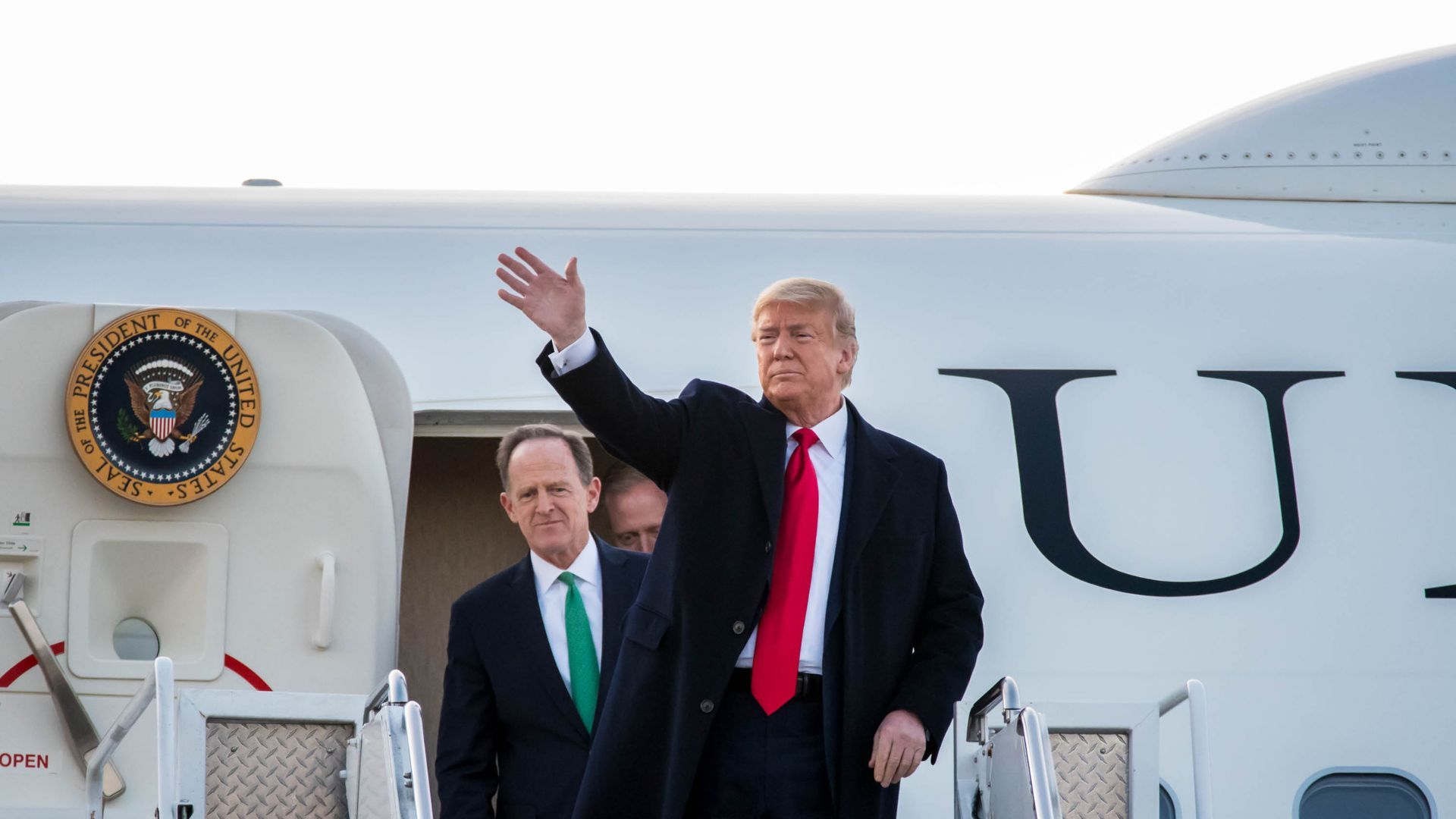
Venezuela has released several imprisoned opposition figures, activists, and journalists, marking a significant political gesture. This decision comes shortly after U.S. President Donald Trump indicated that the releases were made at the request of the United States. In a Fox News interview, Trump praised the current Venezuelan government, led by acting President Delcy Rodríguez, stating, “they’ve been great… Everything we’ve wanted, they’ve given us.”
The release of these high-profile detainees occurred on Thursday, December 29, 2025, as part of what the Venezuelan government termed an effort to “seek peace.” The announcement followed the recent capture of former President Nicolás Maduro by U.S. forces on drug-trafficking charges. Jorge Rodríguez, head of Venezuela’s National Assembly and brother of the acting president, confirmed that a “significant number” of individuals would be released, although details remained unclear late Thursday.
For years, the U.S. government and Venezuelan opposition have demanded the release of imprisoned politicians and critics. The Venezuelan government, however, denies holding political prisoners, asserting that the releases are not politically motivated. “Consider this a gesture by the Bolivarian government, which is broadly intended to seek peace,” Jorge Rodríguez stated.
Notable Releases Spark Hope
Among those freed was Biagio Pilieri, an opposition leader who participated in the 2024 presidential campaign of Nobel Peace Prize nominee María Corina Machado. Another notable release was Enrique Márquez, a former electoral authority and presidential candidate, according to Foro Penal, a Caracas-based advocacy group. Videos shared on social media displayed emotional reunions, including Márquez joyfully video-calling family members.
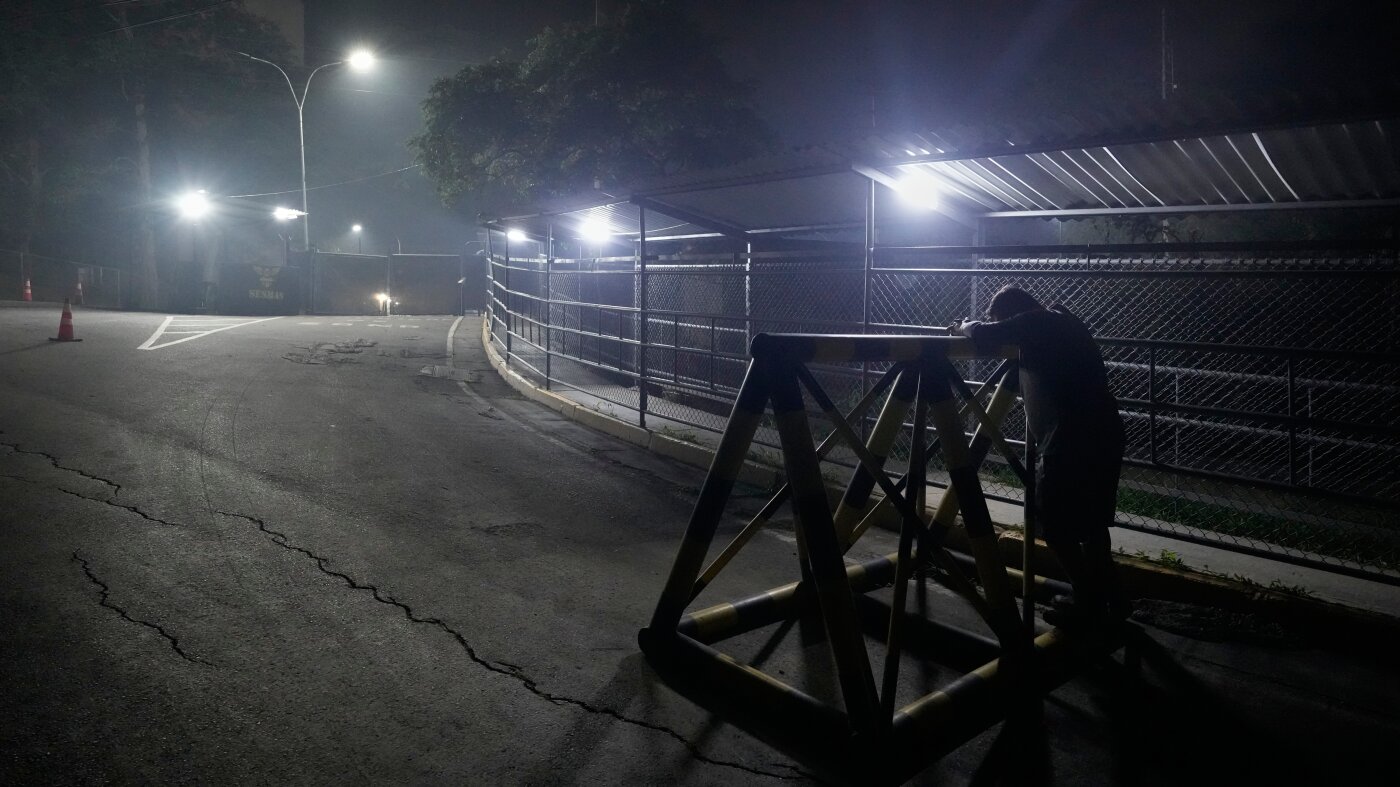
In addition to Venezuelan nationals, five Spanish citizens were released, including prominent lawyer and human rights activist Rocío San Miguel. These releases prompted families to gather outside prisons, chanting “Libertad! Libertad!” as they awaited news of their detained loved ones.
Venezuela has a history of releasing political prisoners during moments of heightened tension to signal openness to dialogue. The recent releases mark the first such action since Maduro’s ousting. Human rights organizations and opposition figures expressed cautious optimism about the developments, though uncertainty remains about the implications.
Opposition Leaders React
For opposition leader Machado, the releases represent “an act of moral restitution.” In an audio message from exile, she addressed the families of released detainees, emphasizing that “nothing brings back the stolen years” and encouraging them to remain hopeful for justice. Alfredo Romero, president of Foro Penal, voiced cautious hope that this could signify the beginning of dismantling a repressive system in Venezuela.
Despite the positive developments, fears linger among families of detainees. Pedro Duran, who traveled from Spain to find his brother, expressed a mixture of hope and anxiety. His brother has been imprisoned since 2021, accused of attempting to overthrow the government—an allegation the family vehemently denies.
The Venezuelan government has previously used prisoner releases strategically. According to Ronal Rodríguez, a researcher at the Venezuelan Observatory at the University of Rosario, the regime often employs detainees as bargaining chips during negotiations. This practice raises questions about the motivations behind the current releases and whether they will lead to substantive changes.
As the U.S. administration moves to assert control over Venezuelan oil resources, the implications of these releases extend beyond national borders. Trump has indicated plans to oversee the sale of Venezuela’s petroleum globally, a move that highlights the geopolitical stakes involved.
While the situation continues to unfold, the recent releases have ignited discussions about the possibility of a more significant shift in Venezuela’s political landscape. The coming days may reveal more about the government’s intentions and the future of its political prisoners.