Citizens of both Venezuela and Iran are experiencing a pivotal moment as global oil dynamics shift, largely influenced by actions taken by the administration of former U.S. President Donald Trump. These developments present an opportunity for change in two countries long affected by economic turmoil and political strife.
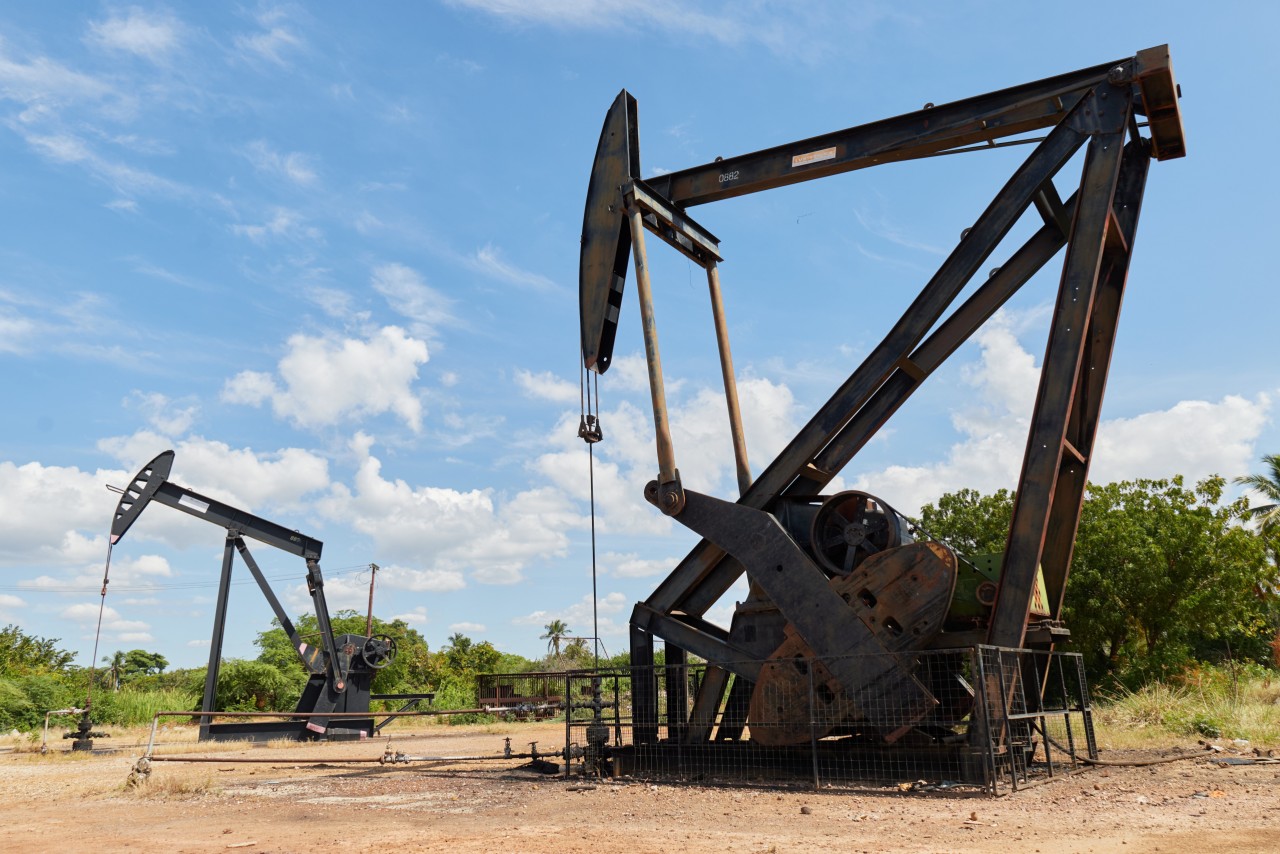
The oil-rich landscapes of Venezuela and Iran have been heavily impacted by sanctions and fluctuating oil prices. As OPEC adjusts production levels, the prices of crude oil have seen considerable changes, creating a unique environment for citizens in both nations. With oil prices rising, there is potential for improved economic conditions, which could empower citizens to demand greater political accountability and reform.
Venezuela, once a leading oil producer, has faced significant challenges over the past decade. Economic mismanagement and political corruption have left the country in dire straits. According to the International Monetary Fund (IMF), Venezuela’s inflation rate reached an astounding over 2,000% in 2022, leading to massive shortages of essential goods. However, a shift in global oil prices could provide much-needed revenue to the government, potentially allowing for a more stable economic environment. Citizens may seize this moment to push for reforms and greater transparency in governance.
Meanwhile, in Iran, the impact of U.S. sanctions has stifled the economy and limited access to international markets. The Iranian government has struggled to navigate these challenges, with oil exports plummeting. According to recent reports, Iranian oil exports dropped to less than 300,000 barrels per day in 2023. As oil prices fluctuate, the Iranian populace may feel emboldened to challenge the current regime, seeking reforms that align more closely with their aspirations for democratic governance and economic stability.
The unpredictability of Donald Trump‘s foreign policy during his presidency has also played a significant role in shaping the current landscape. His administration’s approach to sanctions and oil production has created an atmosphere of uncertainty, prompting both Venezuelans and Iranians to reconsider their positions. The citizens in these countries may view the potential for change as a direct response to the evolving geopolitical climate.
The situation remains fluid, and the reactions of the populations in Venezuela and Iran could vary widely. In both nations, grassroots movements are beginning to take shape, fueled by the hope that rising oil prices could provide the necessary resources to demand political reforms. The combination of economic necessity and the desire for change may lead to significant shifts in governance and civil rights.
Historically, periods of economic strain have often catalyzed social movements. As the oil markets fluctuate and the political landscape evolves, the citizens of Venezuela and Iran stand at a crossroads. The drive for change is palpable, and the international community watches closely as these nations navigate their futures amid the complexities of oil power and popular demand for reform.
The coming months will be crucial as both governments face increased pressure from their citizens. The hope is that the changes in the oil market, coupled with the aspirations of the people, will lead to a more equitable and just governance structure in both countries. Whether this moment will transform into a lasting revolution remains to be seen, but the groundwork for change is undeniably being laid.