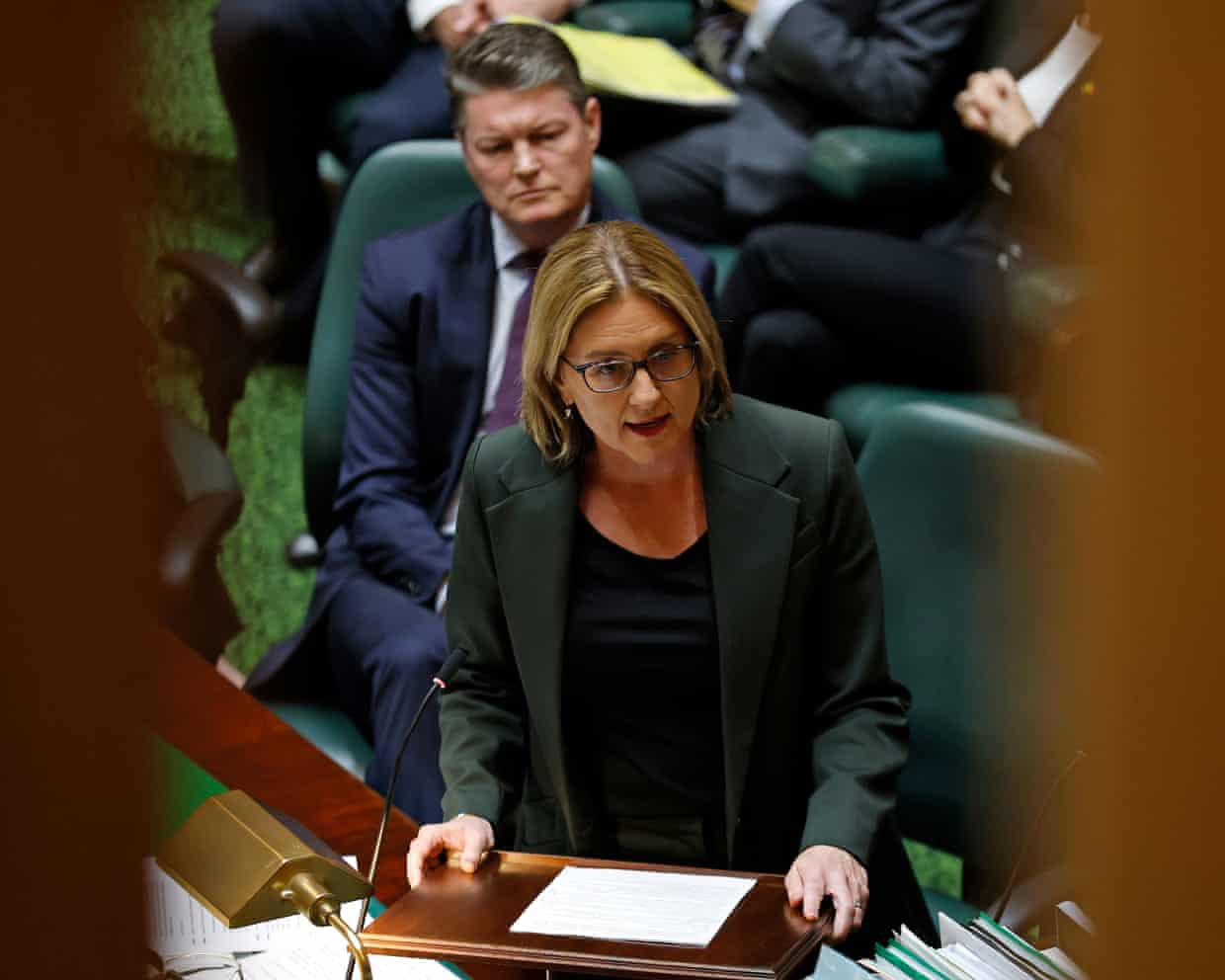
The Victorian government has formally apologized to Australia’s First Peoples for the historical injustices committed since colonization, acknowledging the “rapid and violent” nature of these actions. In a statement delivered before the Parliament on October 3, 2023, Premier Jacinta Allan articulated a commitment to addressing the long-standing denial of rights and self-determination faced by Aboriginal communities.
Allan stated that decisions made over the years in the Parliament have perpetuated harm against the First Peoples of Victoria. “We acknowledge the harm inflicted on generations of First Peoples and mark the beginning of a new era,” she said, emphasizing a future that embraces truth and justice. The apology is a significant step in the treaty negotiation process, which aims to establish a framework for mutual respect and equality.
Historic Acknowledgment of Past Wrongs
The Premier highlighted that many Victorians were unaware of the extent of the injustices until the findings of the Yoorrook Justice Commission, which revealed that the sovereignty of First Peoples was never ceded. Allan described the colonization of Victoria as a deliberate act that resulted in the stripping of lands, languages, cultural identities, and families.
Through this apology, the Parliament recognizes the profound impacts of its past decisions. “To ensure that the wrongs of the past are never repeated, we say sorry,” Allan stated, addressing the First Peoples present in the gallery and those across the state. She detailed various harms experienced by Aboriginal Australians, including the forced removal of children, the silencing of languages, and the systemic neglect that allowed such injustices to continue.
The formal apology included a commitment to building a future where the power taken from Aboriginal communities is returned. Allan urged that this moment should not be seen as a mere gesture but as part of a broader effort to create lasting change through the treaty process.
Reactions from Aboriginal Leaders
Former Victorian treaty commissioner Jill Gallagher, who attended the session, expressed that this apology is a crucial first step towards healing. She stated, “It means our people here in Victoria can start the healing process.” Gallagher noted the importance of acknowledging the historical wrongs and the need for action to support meaningful change.
Additionally, Gunditjmara elder Uncle Mark Rose emphasized the significance of the promises attached to the apology, stating that it is about taking concrete actions rather than just words. “The words of Jacinta Allan said there’s a promise behind it and we’re relying on that promise,” he said.
The emotional weight of the apology was also felt by Sheena Watt, the first Indigenous woman in the Victorian Parliament. She reflected on her own experiences and the ongoing struggles faced by her community, stating, “I can’t talk to my family in my language,” and highlighting the importance of the apology in recognizing these past injustices.
The apology was not without controversy, as the Victorian Liberal Party opposed the wording related to the treaty process, pledging to abolish it if elected in the upcoming 2026 elections. Despite this opposition, the motion to apologize passed with a vote of 56 to 27.
In the context of this historical moment, Travis Lovett, deputy chair of the Yoorrook Commission, criticized the opposition for attempting to overshadow the significance of the apology, deeming their actions “highly disrespectful.”
The session was marked by a gathering of over 300 First Nations people who participated in a smoking ceremony and welcomed the country prior to the apology. This collective acknowledgment of past grievances sets a hopeful tone for the future of Victoria’s relationship with its First Peoples.
As the Parliament of Victoria takes this pivotal step toward reconciliation, the commitment to truth, justice, and healing remains at the forefront of discussions about the rights of Aboriginal Australians. The path forward, as articulated by Premier Allan, involves not only recognition of past wrongs but also actionable steps toward a more equitable future.