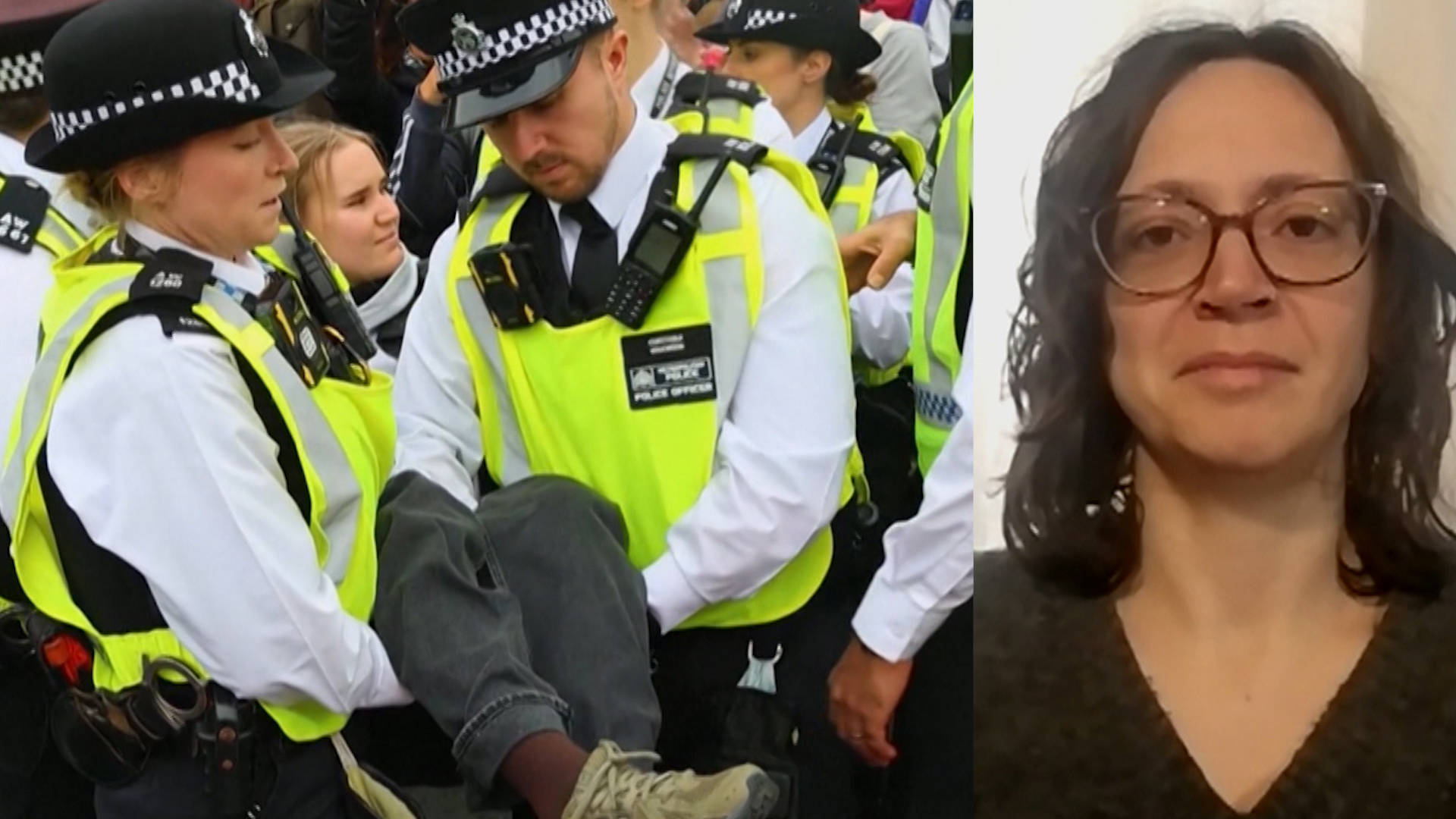
Tens of individuals gathered in central London on Saturday to advocate for the release of Palestinian prisoners detained in Israeli jails. This vigil specifically highlighted those held under what Israel refers to as “administrative detention,” a controversial practice allowing for indefinite detention without charges based solely on a person’s potential future criminal activity.
Activists at the event wore red ribbons, symbolizing both danger and urgency, to draw global attention to the conditions faced by Palestinian prisoners. Organizers emphasized that this gathering was intended to kick off a larger international campaign aimed at raising awareness of the issue.
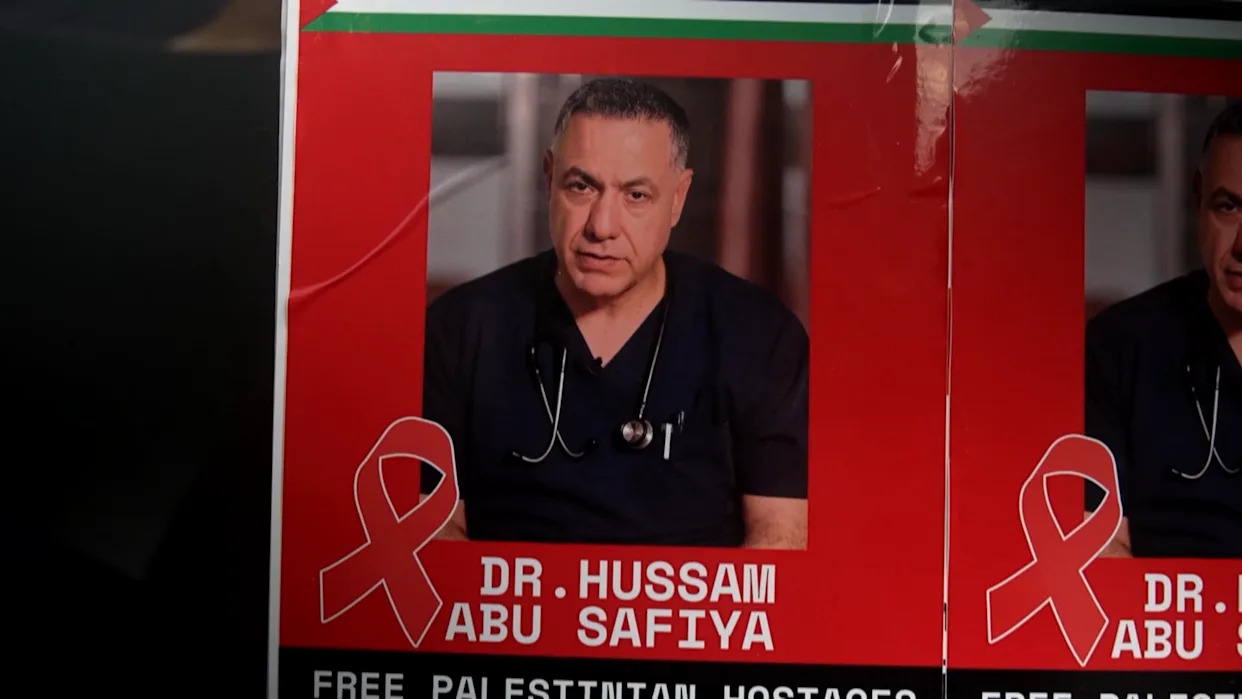
Focus on Dr. Hussam Abu Safia
A significant focus of the vigil was on Dr. Hussam Abu Safia, the former director of Kamal Adwan Hospital in Gaza. Dr. Abu Safia was reportedly taken from the hospital by Israeli forces in December 2024. His family and lawyer have alleged that he has endured physical abuse, torture, and inhumane treatment while in custody, including prolonged solitary confinement.
Adnan Hmidan, chair of the Palestinian Forum in the United Kingdom and one of the event organizers, described Dr. Abu Safia as a symbol of the broader plight of Palestinian detainees. “We are clear about this vocabulary – they are hostages, not like any prisoners,” Hmidan said. He detailed the circumstances of Dr. Abu Safia’s arrest, noting that he was seized while wearing his medical coat and taken away in front of witnesses. Hmidan further emphasized that many Palestinian detainees lack access to legal representation or court dates.
According to Addameer, a Palestinian human rights organization, there are currently approximately 9,300 Palestinian political prisoners in Israeli facilities, with many held without trial or charge. This figure does not account for those being detained in Israeli military camps. Addameer reports that at least 3,350 Palestinians from the occupied West Bank are classified as “administrative detainees.”
Israeli human rights organization B’Tselem provided additional context, stating that as of late 2025, about 10,900 Palestinians were held in Israeli prisons on “security” grounds, which includes 2,931 individuals from the Gaza Strip.
Activists Demand Change
Participants in the London vigil expressed a desire for their campaign to yield meaningful results. Activist Eva Nazem shared her hopes that the event would serve as a reminder of the ongoing situation for those in Gaza and Palestine. “People who could do something are staying quiet, not doing enough,” Nazem stated. “Our presence here is twofold. It’s to remind people that it isn’t over—the ceasefire is in name only. It’s not effective.”
As attendees stood in silence holding placards, Hmidan emphasized that the gathering was not intended as a demonstration or protest march. He described it as “a silent, peaceful act of solidarity,” aimed at highlighting humanitarian issues rather than political agendas. “They [Palestinian prisoners] are human. They have their own stories, they have their own families,” he remarked, underscoring the personal impact of the ongoing situation.
The vigil concluded with participants hopeful that their efforts would contribute to raising awareness and increasing pressure on those in positions to effect change regarding the treatment of Palestinian prisoners.