Tensions between the White House and Israel escalated recently following the killing of a senior Hamas commander. The United States government expressed strong disapproval of Israel’s actions, which it believes jeopardized ongoing diplomatic efforts to stabilize the region.
The situation unfolded in early October 2023 when Israel conducted an operation that resulted in the death of Hamas commander Yahya Sinwar. This event intensified existing hostilities in the Gaza Strip, which has been plagued by violence and humanitarian crises.
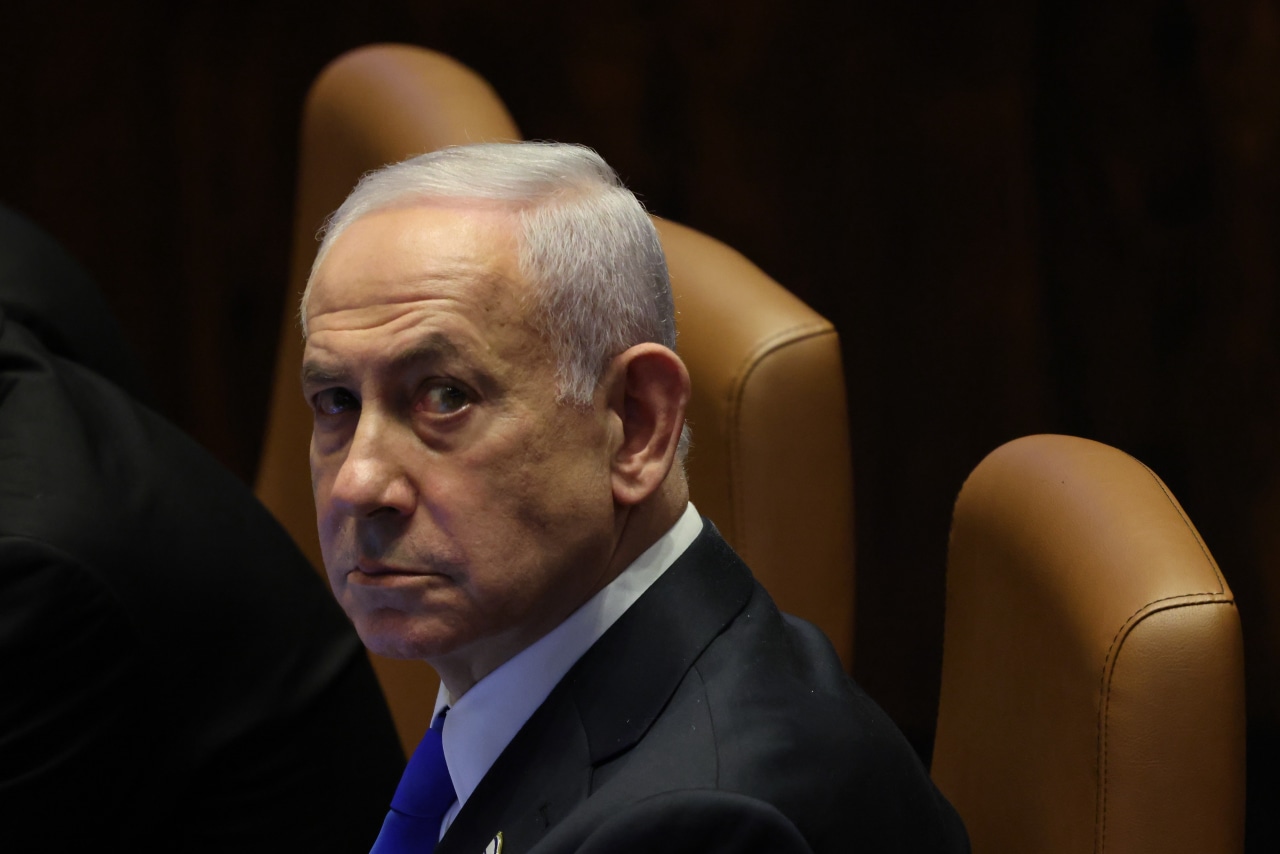
In response, former President Donald Trump, who has been vocal about his desire for a peaceful resolution, criticized Israeli Prime Minister Benjamin Netanyahu for undermining what he referred to as “my deal.” Trump’s remarks suggest frustration over Netanyahu’s approach, which he believes could derail initiatives aimed at halting the ongoing conflict and facilitating the reconstruction of Gaza.
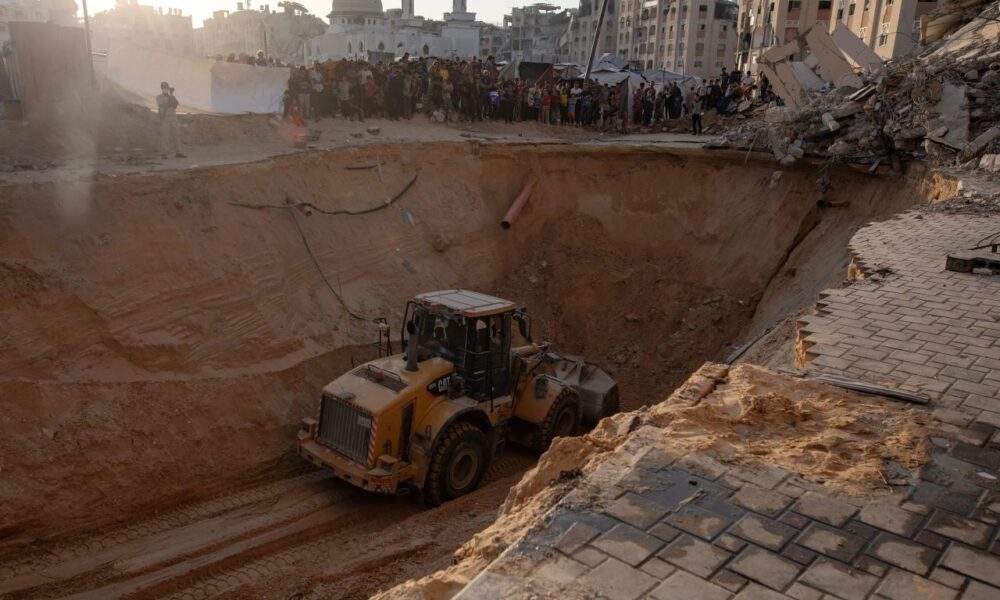
The White House’s discontent comes amid broader concerns regarding Israel’s military operations in Gaza. Senior aides indicated that there is a perception that Netanyahu’s government is prioritizing military objectives over diplomatic negotiations. The White House had previously advocated for a ceasefire that would allow humanitarian aid to flow into Gaza and support rebuilding efforts.
October 7, 2023, marked a pivotal moment, as the U.S. administration sought to mediate discussions between Israel and Palestinian authorities. The aim was to foster a sustainable peace process that addresses the underlying issues of the conflict. The recent military actions, however, have complicated these diplomatic endeavors.
The death of the Hamas commander was seen by some as a tactical victory for Israel, but it has raised serious questions about the long-term implications for regional stability. According to analysts, the operation has the potential to incite further violence, leading to a more entrenched conflict that could affect neighboring nations and exacerbate the humanitarian situation in Gaza.
As the situation develops, the White House is expected to reassess its approach to Israel and the Palestinian territories. The administration faces the challenge of balancing support for Israel’s right to defend itself while also promoting peace initiatives that address humanitarian needs.
The international community is closely monitoring the fallout from this incident. Calls for restraint and renewed dialogue have emerged from various global leaders, emphasizing the importance of diplomatic solutions in resolving the ongoing crisis.
In summary, the recent killing of a Hamas commander has not only intensified tensions in the region but also strained U.S.-Israel relations. The White House’s pointed message underscores the complexities of navigating foreign policy in an environment marked by conflict and competing interests.