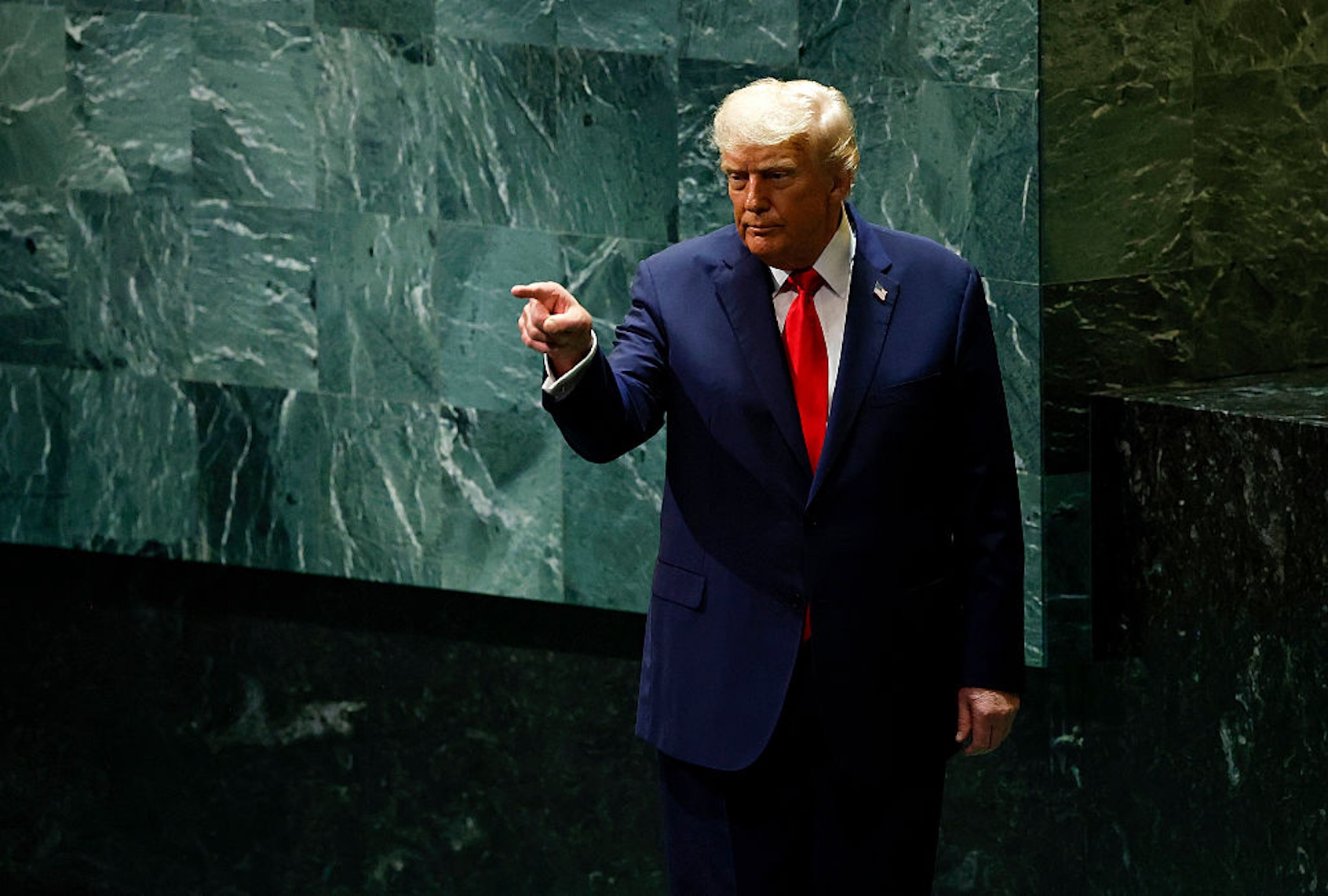
The White House has publicly defended President Donald Trump following a heated exchange with a reporter aboard Air Force One. During a recent flight, Trump reacted angrily to questions regarding Jeffrey Epstein, a financier embroiled in scandal, and directed the reporter to “quiet, piggy” while pointing his finger at her. The incident, captured on video and released by the White House, has since gained significant attention online.
In response to the backlash, a White House official criticized the reporter’s approach, labeling her behavior as “inappropriate and unprofessional.” The official suggested that the reporter should develop a thicker skin, stating, “If you’re going to give it, you have to be able to take.” This remark underscores a broader pattern of tension between Trump and members of the media, particularly in light of recent inquiries into Epstein’s connections to powerful figures.
Escalating Tensions Surrounding Epstein Inquiry
This incident follows a series of tense interactions between Trump and reporters. On November 14, 2025, Trump confronted an ABC News reporter who questioned him about Saudi Crown Prince Mohammed bin Salman in relation to the assassination of journalist Jamal Khashoggi. During this exchange, Trump expressed his displeasure with the reporter, stating that the question was posed with “anger and meanness.”
The president’s irritation has been amplified due to recent revelations involving emails from Epstein that mention him. These developments have led to heightened scrutiny from the media, prompting Trump to threaten consequences for ABC, suggesting that their broadcast license should be revoked due to what he described as “fake” news.
Implications for Media Relations
The incident aboard Air Force One raises critical questions about the relationship between the White House and the press. As tensions continue to escalate, the administration’s defense of Trump’s remarks reflects a broader strategy of confronting media coverage deemed unfavorable. Observers note that this dynamic could have lasting implications for press freedom and the nature of political discourse in the United States.
The fallout from this exchange serves as a reminder of the often contentious interactions between politicians and the media, particularly in the current political climate. With the public increasingly engaged in these discussions, the impact of such confrontations will likely reverberate beyond the immediate incident and into the broader narrative of political accountability and transparency.
While the White House continues to defend its stance, the incident demonstrates the challenges faced by journalists striving to hold powerful figures accountable amidst a backdrop of hostility.