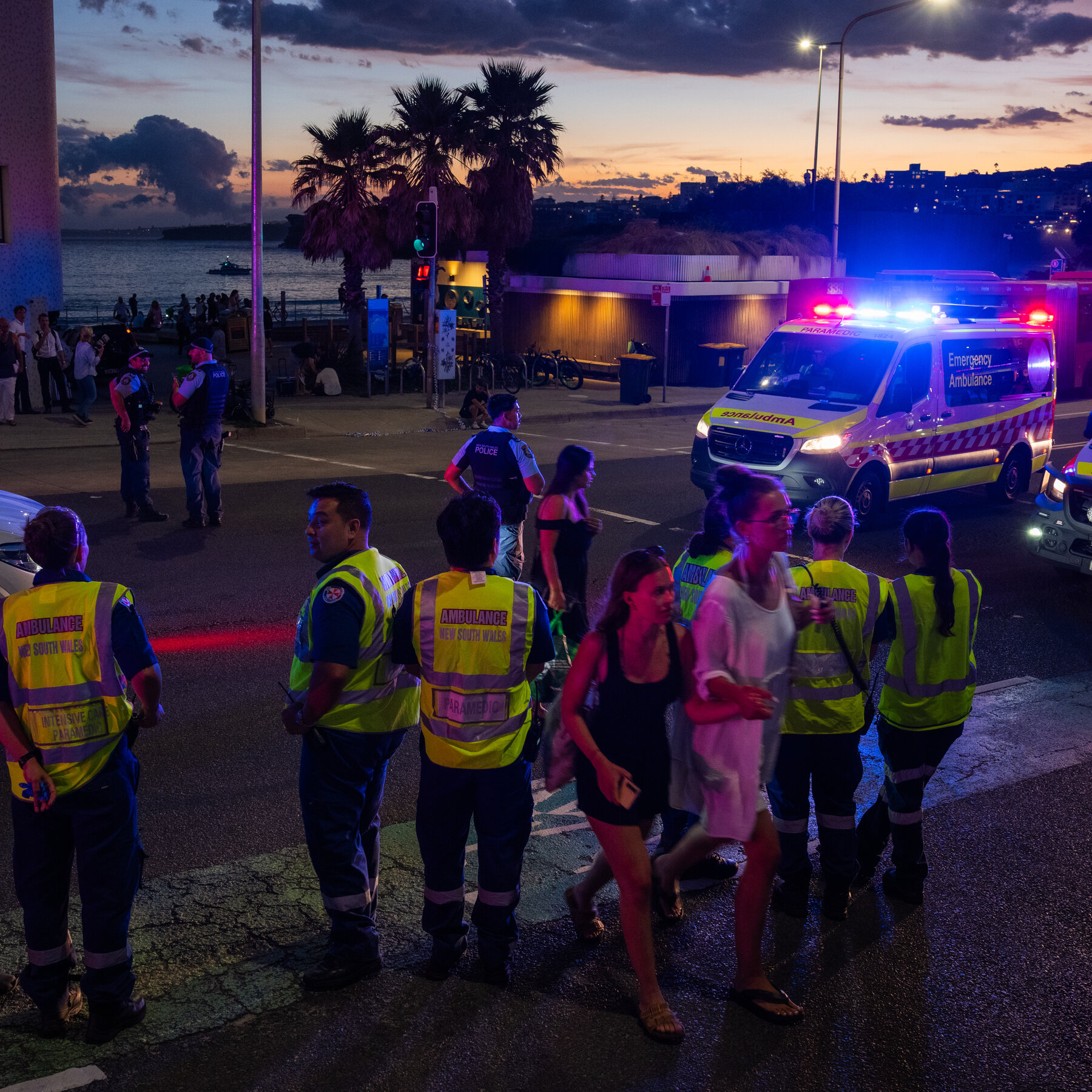
Many parts of the United States continue to face severe winter conditions, with at least 30 fatalities reported due to the effects of a powerful winter storm. The storm, which dumped over a foot (30 centimeters) of snow across a vast area stretching 1,300 miles (2,100 kilometers) from Arkansas to New England, left many residents without electricity and facing dangerously low temperatures.
As of Monday evening, the National Weather Service indicated that regions north of Pittsburgh experienced snowfall amounts reaching up to 20 inches (50 centimeters) along with wind chills plummeting to minus 25 degrees Fahrenheit (minus 31 degrees Celsius). The bitter cold is expected to persist as new Arctic air moves into the region, keeping areas already covered in snow and ice in a state of emergency.
Winter Storm’s Toll on Life and Infrastructure
The rising death toll includes tragic incidents such as two individuals who were struck by snowplows in Massachusetts and Ohio, as well as fatal sledding accidents involving teenagers in Arkansas and Texas. Authorities in New York City reported that eight people were discovered dead outdoors over the frigid weekend, although the circumstances surrounding these deaths remain under investigation.
The storm has resulted in widespread power outages, with over 630,000 customers affected nationwide as of Monday evening, as reported by poweroutage.com. Most outages were concentrated in the South, where freezing rain caused serious damage, including downed trees and power lines. In Mississippi, officials are responding to the aftermath of the state’s most severe ice storm since 1994. Governor Tate Reeves noted that at least 14 homes, one business, and 20 public roads sustained significant damage.
The University of Mississippi has canceled classes for the week, as students cope with ongoing power outages. Oxford Mayor Robyn Tannehill described the scene on social media, stating that the damage resembled the aftermath of a tornado, with fallen trees and power lines scattered throughout the city.
Transportation Disruptions and Ongoing Cold Weather
The winter storm has severely impacted air travel, leading to over 12,000 flight delays or cancellations nationwide on Monday, according to flight tracker FlightAware. The situation on Sunday was particularly dire, with 45% of U.S. flights canceled, marking the highest cancellation rate since the beginning of the COVID-19 pandemic, according to aviation analytics firm Cirium.
Forecasts indicate that light to moderate snowfall may continue in New England through Monday evening, with New York City experiencing its snowiest day in years, recording between 8 and 15 inches (20 to 38 cm) of snow. Public schools in the region have closed, yet approximately 500,000 students were instructed to participate in online lessons, as remote learning protocols developed during the pandemic have become the norm.
As the storm’s effects continue to unfold, communities across the Midwest, South, and Northeast are grappling with subzero temperatures. The entire contiguous U.S. is experiencing its coldest average low temperature of minus 9.8 degrees Fahrenheit (minus 12.3 degrees Celsius) since January 2014.
In the Nashville area, electricity has been restored to many homes and businesses, although over 170,000 residents remained without power on Monday. Many sought refuge in local hotels to escape the freezing conditions. One such resident, Alex Murray, explained that he booked a hotel room to ensure his family had a working freezer to store breast milk for their six-month-old daughter.
The tragic consequences of this winter storm highlight the dangers posed by extreme weather conditions. In Kansas, authorities discovered the body of a 28-year-old teacher buried in snow after she was last seen leaving a bar without her coat and phone. In addition to deaths in New York City, fatalities were reported across several states, including four in Tennessee, three in both Louisiana and Pennsylvania, and two in Mississippi.
As the storm continues to impact lives and infrastructure, communities are urged to stay safe and to heed official warnings as additional winter weather may be on the horizon.