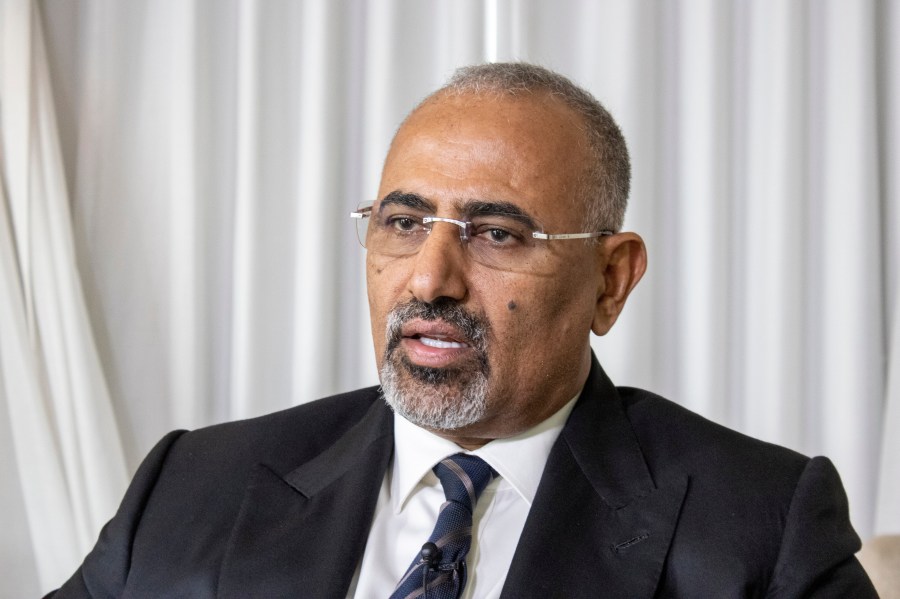
The anti-Houthi council in Yemen has expelled the leader of a separatist movement and charged him with treason, following his refusal to attend critical talks in Saudi Arabia. This significant development was reported on March 27, 2024, by the SABA news agency, which is controlled by forces opposing the Houthi rebels.
The council’s decision to remove the separatist leader marks a notable escalation in the ongoing conflict within Yemen. The leader, whose identity has not been disclosed, faced mounting pressure to participate in discussions aimed at unifying anti-Houthi efforts. His absence from the negotiations is perceived as a direct challenge to the council’s authority and strategy.
Consequences of the Expulsion
The expulsion reflects deepening divisions among various factions opposing the Houthi rebels, who have controlled significant portions of Yemen since 2014. The anti-Houthi council’s statement emphasizes its commitment to maintaining a united front against the insurgency. The treason charges could lead to further unrest among separatist groups, potentially complicating efforts to stabilize the region.
Analysts suggest that the council’s actions may be an attempt to consolidate power and ensure loyalty among its members, particularly as the conflict continues to evolve. The situation remains precarious, with varying interests among local leaders often hindering cohesive strategies against the Houthis.
The backdrop of this internal strife is a country suffering from one of the world’s worst humanitarian crises. Millions of Yemenis are in dire need of assistance as the civil war drags on. The international community has called for a resolution to the conflict, urging all parties to engage in dialogue.
International Reactions and Implications
Reactions to this latest development have been mixed. Humanitarian organizations are concerned that internal conflicts may further delay essential aid to those in need. The United Nations has previously urged factions in Yemen to prioritize peace talks over military confrontations.
The expulsion of the separatist leader could also impact Yemen’s relationship with Saudi Arabia, which has been actively involved in efforts to combat the Houthi movement. As tensions rise, the prospect of renewed dialogues may hang in the balance, depending on how factions respond to the council’s bold actions.
In conclusion, the recent expulsion of the separatist leader by the anti-Houthi council highlights the fragile nature of alliances within Yemen as it grapples with ongoing conflict. The unfolding situation demands close observation, as the outcomes could significantly affect both local dynamics and international efforts to restore peace in the region.