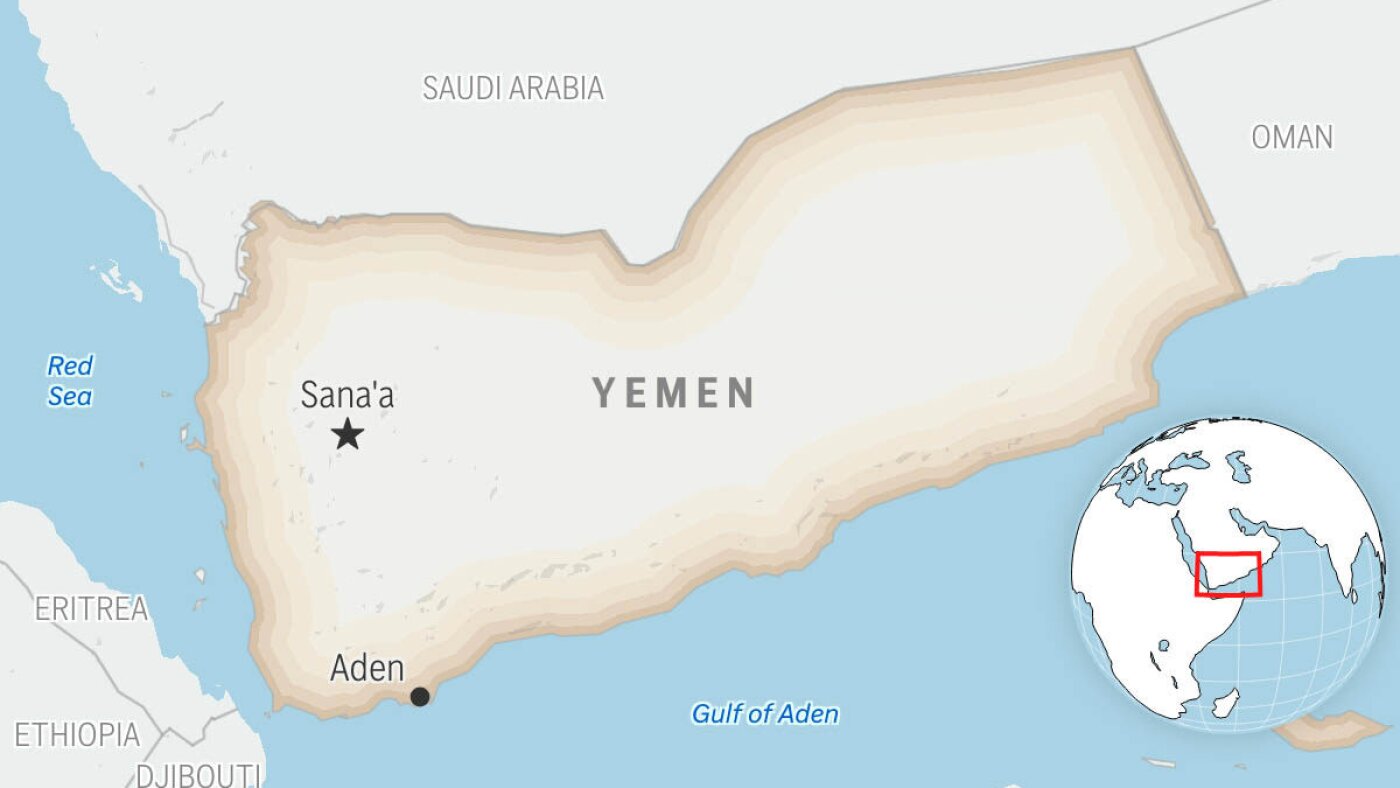
Yemen’s Southern Transitional Council (STC) announced it will dissolve its institutions effective March 15, 2024, following a period of unrest in southern Yemen and the unexpected flight of its leader, Aidarous al-Zubaidi, to the United Arab Emirates. The STC’s secretary-general, Abdulrahman Jalal al-Sebaihi, confirmed the decision during an address on Yemen TV, citing “unfortunate events” in the governorates of Hadramout and al-Mahra as a catalyst.
The dissolution follows a meeting where council members assessed the escalating tensions that have plagued the region. Al-Sebaihi indicated that the STC’s ongoing existence “no longer serves the purpose for which it was established.” He pointed to the rejection of de-escalation efforts and highlighted that all main agencies and subsidiaries would be dismantled, with offices both inside and outside Yemen closing.
In a contradictory statement, STC spokesperson Anwar al-Tamimi asserted on social media that decisions regarding the council should only be made collectively and under its president. He emphasized that the council would continue to engage positively in political initiatives once a STC delegation, currently in Riyadh, is released.
Tensions have intensified recently as the STC made military advances into Hadramout and al-Mahra, capturing an oil-rich region and displacing forces aligned with the Saudi-led coalition against the Iran-backed Houthi rebels. The National Shield Forces, connected to this coalition, eventually regained control of Hadramout and key areas in Aden, complicating the already fractured political landscape.
The UAE’s role as a significant supporter of the STC has created friction with Saudi Arabia. Following a military operation that damaged relations within the coalition, al-Sebaihi expressed that the council could not continue as its existence contradicted its foundational goals. He noted the need for a conference to address southern issues, a meeting Saudi Arabia has agreed to host.
Saudi Defense Minister Khalid bin Salman affirmed on social media that the southern issue is now being addressed through a “real path” facilitated by the Kingdom and recognized by the international community. He announced plans for a Riyadh conference to explore solutions that align with the aspirations of the southern populace.
In a statement of support for the STC’s decision, Mohamed al-Jaber, the Saudi ambassador to Yemen, described the leadership’s actions as “courageous,” emphasizing their commitment to the southern cause. The upcoming conference aims to include diverse southern voices, fostering a comprehensive political dialogue.
Yemen’s Shura Council, which supports the internationally recognized government, also welcomed the STC’s decision. Speaker Ahmed bin Dagher stated that it is crucial to dismantle entities that perpetuate division and highlighted the necessity for a holistic political process to resolve the southern issue.
As the situation develops, the STC’s National Assembly has called for a rally in the southern regions to advocate for the right to self-determination. Despite this call, uncertainty looms over whether the demonstration will proceed in light of the council’s dissolution.
Al-Zubaidi’s escape to the UAE, reportedly due to charges of treason after he declined to attend critical meetings in Saudi Arabia, underscores the fragility of alliances in the region. A curfew previously imposed in Aden due to security concerns has now been lifted, as officials strive to stabilize the situation.
Yemen’s ongoing civil war has resulted in over 150,000 fatalities, including both combatants and civilians, marking it as one of the world’s most severe humanitarian crises. The complex interplay of regional powers, local factions, and civil strife continues to challenge efforts toward peace and stability in the nation.