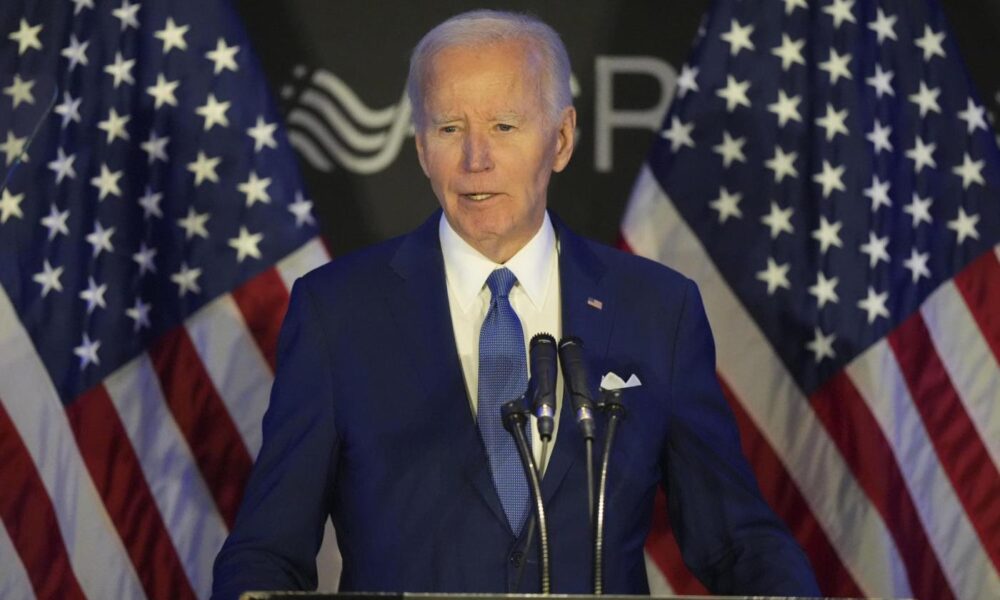
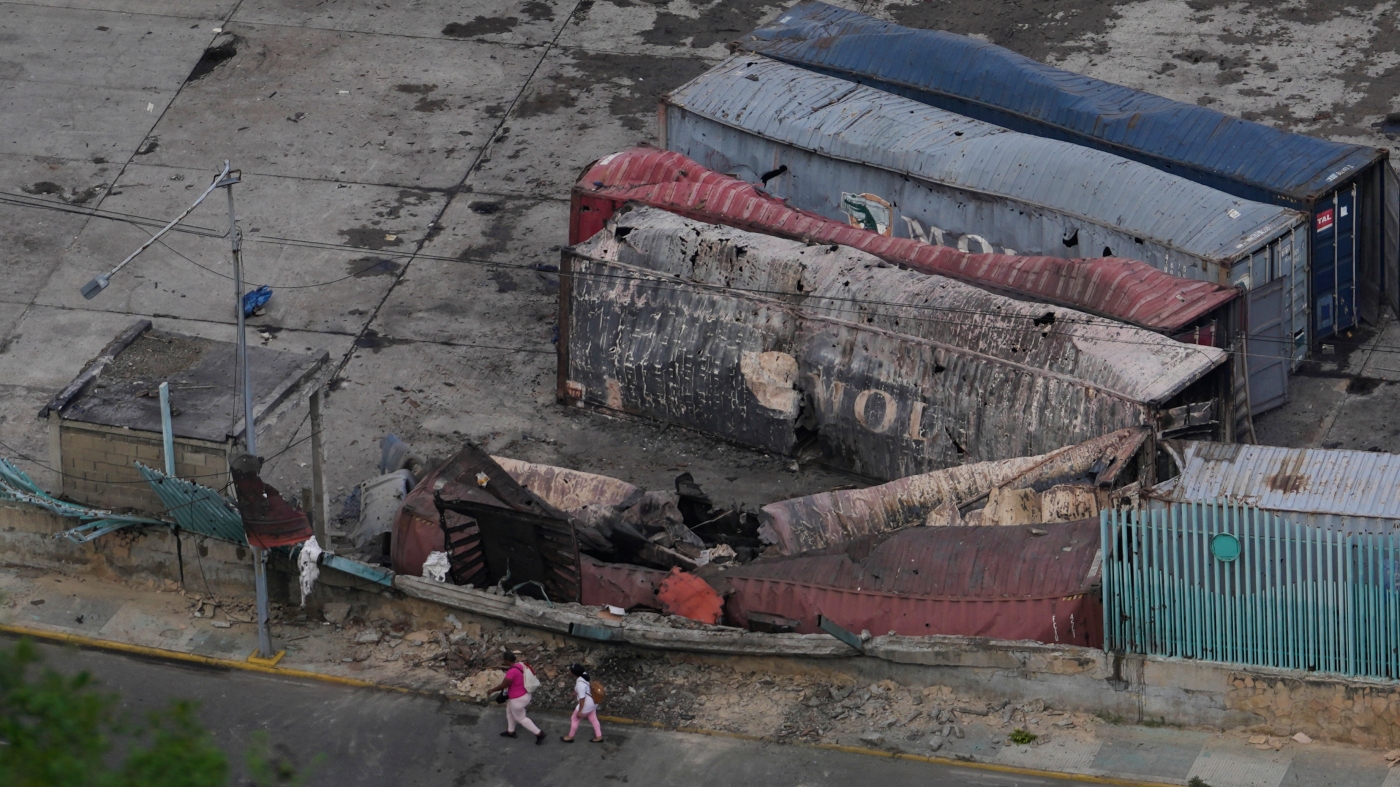
Negotiators from the United States and Iran convened in Geneva on March 15, 2024, for another round of discussions aimed at addressing concerns over Iran’s nuclear program. This meeting comes as tensions escalate, with U.S. President Donald Trump threatening military action if a satisfactory agreement is not reached. The talks, facilitated by Oman, are crucial in determining whether a diplomatic resolution can avert a potential conflict.
During this round of negotiations, Iran reiterated its stance of not pursuing nuclear weapons. Foreign Minister Abbas Araghchi emphasized that Iran has “never ruled out” the possibility of developing a nuclear weapon, but firmly stated that under no circumstances will the country build one. This position aligns with long-standing assertions by Iranian leadership, who argue that their nuclear program is intended for peaceful purposes.
The backdrop to these discussions is marked by a significant military buildup in the region, ordered by President Trump. This escalation has raised concerns among various nations, with many warning that military strikes could ignite a broader international conflict. Trump has characterized Iran’s nuclear ambitions as a threat that must be contained, echoing sentiments previously expressed by his predecessors, including Barack Obama and Joe Biden.
The Obama administration’s efforts to negotiate a comprehensive deal culminated in the 2015 nuclear agreement, which sought to restrain Iran’s nuclear activities. However, Trump abandoned this pact in 2018, labeling it “horrible,” and has since demanded a new accord that addresses not only nuclear enrichment but also Iran’s ballistic missile program.
Araghchi highlighted the importance of acknowledging Iran’s right to utilize peaceful nuclear technology under the Nuclear Non-Proliferation Treaty (NPT). He asserted that any new agreement must respect Iran’s interests, stating, “We have a historic opportunity to strike an unprecedented agreement that addresses mutual concerns.”
Despite this optimism from Iranian officials, experts remain skeptical about the likelihood of a successful outcome. Sanam Vakil, director of the Middle East and North Africa Program at Chatham House, expressed that a military confrontation seems imminent, citing the current geopolitical climate. She noted that Trump’s military posturing suggests a willingness to compel Iran to accept terms that its leaders are unlikely to meet.
In a recent statement, Trump claimed that the U.S. had effectively dismantled Iran’s nuclear program through military action. The International Atomic Energy Agency (IAEA) has raised questions regarding this assertion, indicating that the situation is more complex than the President suggests.
The negotiations face substantial hurdles, particularly regarding Iran’s uranium enrichment capabilities. While Iran has suspended its enrichment activities since the June military strikes, there remains a fundamental disagreement over the extent of enrichment rights Iran can maintain. Araghchi reiterated that, “Enrichment is our right,” as a signatory to the NPT.
The stakes are high, as both sides have their red lines. Observers believe that the maximum concessions Iran can offer may not align with the minimum requirements set by the Trump administration. The possibility of a deal allowing limited enrichment for research purposes has been discussed, but Trump’s previous criticisms of the prior agreement create pressure for a more favorable outcome from his perspective.
Concerns about Iran’s ballistic missile capabilities add another layer of complexity to the negotiations. Alinejad, a contributor to CBS News, noted that any agreement that permits Iran to maintain its missile arsenal while limiting nuclear enrichment would likely be considered inadequate by the U.S. administration.
As the talks progress, the potential for a protracted conflict looms large. Iranian officials have warned that any U.S. military action would be viewed as an act of aggression, prompting a defensive response from Iran. Araghchi stated, “If the U.S. attacks us, that’s an act of aggression. What we do in response is the act of self-defense.”
As the world watches these developments, questions remain about the future of U.S.-Iran relations and the implications for regional stability. The ongoing diplomatic efforts are critical, but the gap between the two nations’ positions is significant. Without substantial concessions from both sides, the risk of conflict continues to grow, leaving many to ponder the fate of the Iranian people caught in the crossfire of geopolitical maneuvering.