University of Delaware Student Demands Answers Over Past Removal of Black Research
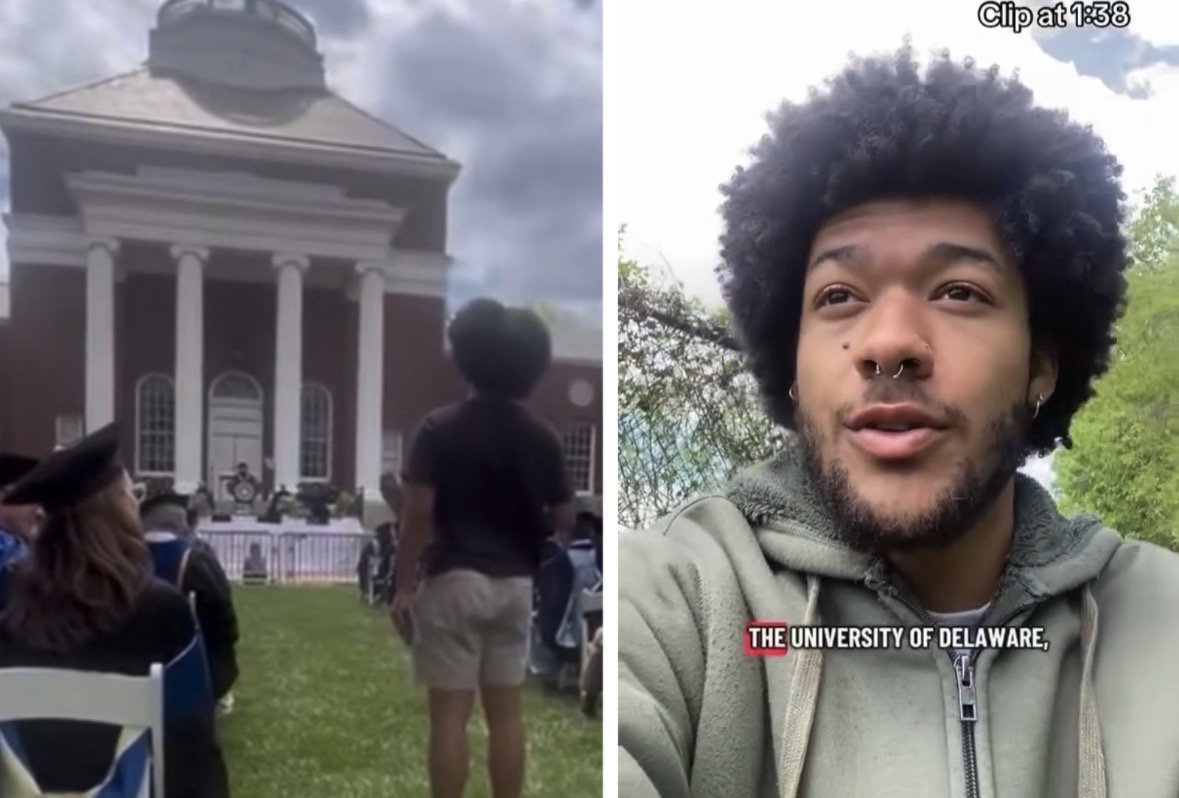
A powerful moment has erupted at the University of Delaware, where a student publicly challenged new president Laura A. Carlson over the university’s controversial decision to remove key African American research materials. The confrontation, captured on video and rapidly spreading online, puts the spotlight on questions of institutional transparency, academic integrity, and the university’s commitment to supporting Black history and racial justice research.
The student, identified on social media as @makhi_.k, directly confronted Carlson during one of her first public engagements with students, pressing her on how the university can claim dedication to research integrity when significant documents related to anti-racism efforts were taken offline. These materials, which included projects on Black history, slavery, and racial justice, were removed in mid-2025, sparking widespread concern among students and faculty.
Controversial Removal of Black Research Sparks Outcry
The removed research had been central to the university’s anti-racism initiatives and documented crucial aspects of African American experiences and history. It remained inaccessible for months, fueling suspicion and frustration across campus. Public backlash intensified until the university restored the materials in February 2026, but the episode left lasting wounds and questions about institutional values.
In the viral video, @makhi_.k outlines this timeline and challenges Carlson on her administration’s responsibility, noting that leadership was already established when the removal happened. He demands clarity on how the university plans to ensure such actions do not jeopardize academic freedom or the preservation of critical Black research moving forward.
President Carlson Addresses Concerns With Caution
President Carlson acknowledged the concerns but described the issue as complex and not something she could fully address at that moment. She assured the audience that it would be discussed in greater detail in the near future. Her measured response has not quelled the debate, as many on campus and online call for immediate transparency, accountability, and stronger protections.
Wider Implications for Academic Freedom and Racial Justice Research
The confrontation has sparked a campus-wide conversation about the safeguarding of research that documents Black history and cultural heritage. Advocates stress that such research must remain accessible and protected, free from institutional pressures that could erase or undermine the narratives of marginalized communities.
This developing story highlights urgent questions about how universities handle sensitive historical content and demonstrate a genuine commitment to racial justice beyond symbolic gestures. For UD and other institutions nationwide, it signals a broader reckoning over academic freedom, equity, and transparency in scholarship.
What’s Next?
Students, faculty, and community activists are watching closely as President Carlson prepares to offer a more detailed response in upcoming forums. The university’s future decisions on managing research materials related to sensitive and critical topics will be scrutinized, with many calling for clear policies that prioritize openness and protection of academic work.
As this conversation unfolds, it underscores a vital national issue: the preservation and respect of African American histories within academic institutions remains a frontline battle for truth and justice in education.