DC Comics has earned a reputation for its striking and memorable cover art, but not all of its designs have resonated positively with audiences. This article examines five comic covers that have drawn criticism over the years, revealing how some illustrations have missed the mark both in content and execution.
Outdated Imagery and Controversial Themes
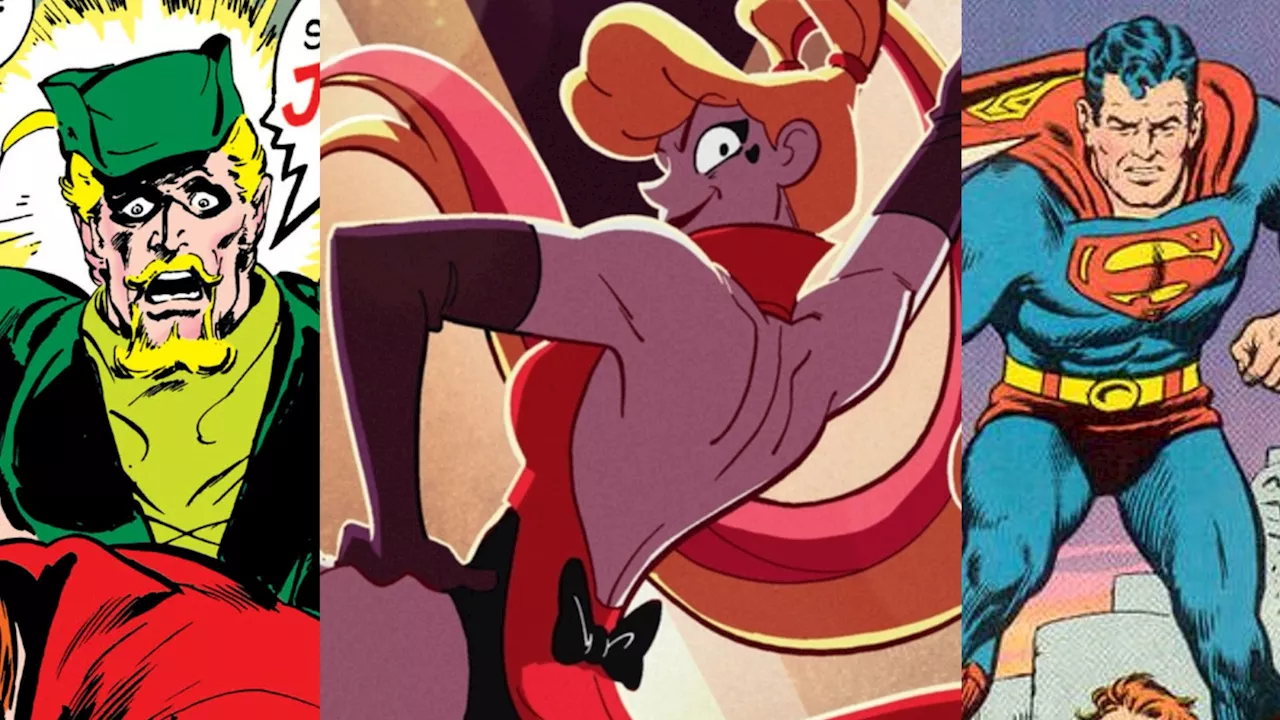
Among the most notable examples is the cover featuring Roy Harper, known as Speedy, from the storyline that tackled the drug crisis. Published during the 1970s, this cover depicted Harper with a needle in hand, a portrayal that shocked readers at the time and continues to elicit strong reactions. The significant impact of this imagery highlighted a serious issue, but it also raised questions about the appropriateness of such a graphic representation in a medium aimed at younger audiences.
Another cover that has faced scrutiny is the one featuring Wonder Woman and her ally, Steve Trevor, held captive by the villain Egg Fu. This character, inspired by negative stereotypes from the Yellow Peril era, has been criticized for perpetuating racism. The juxtaposition of these characters against such a problematic villain raises uncomfortable discussions about the historical context of comic book art and its evolution.
Unconventional Humor and Misguided Attempts
The modern era has not been immune to missteps either. A notable example is the cover of Harley Quinn Fartacular: Silent Butt Deadly #1, which explicitly showcases Harley Quinn’s humorous take on bodily functions. This cover stands out for its shock value, featuring Harley in a bizarre scenario that many fans found distasteful. The addition of a scratch-and-sniff element only intensified the mixed responses, with some questioning how such a concept made it through the approval process.
In another instance, the cover of the first issue of DC Comics’ namesake featured the character Fui Onyui, a criminal whose exaggerated portrayal leaned heavily into harmful stereotypes. This artwork, like that of Egg Fu, is a reminder of the problematic representation that has plagued the industry in its earlier days. The fact that such depictions were once considered acceptable highlights the urgent need for sensitivity in comic book art, especially as society evolves.
The blend of humor and horror is not new to DC Comics, but sometimes the execution leaves fans bewildered. The cover depicting Superman forcing his friends, Jimmy Olsen and Robin, to dig their own graves stands out as particularly unsettling. This Silver Age illustration, while intended as a dramatic spectacle, has instead been viewed as an uncomfortable and troubling image that reflects poorly on the characters involved.
As comic book covers continue to be a pivotal aspect of marketing and storytelling, the balance between engaging art and sensitive representation remains crucial. Fans of DC Comics often look back on these examples with a mix of nostalgia and discomfort, recognizing that even the most beloved franchises are not immune to controversy.
What are your thoughts on these covers? Share your views on the evolution of comic book art and representation in the comments below.