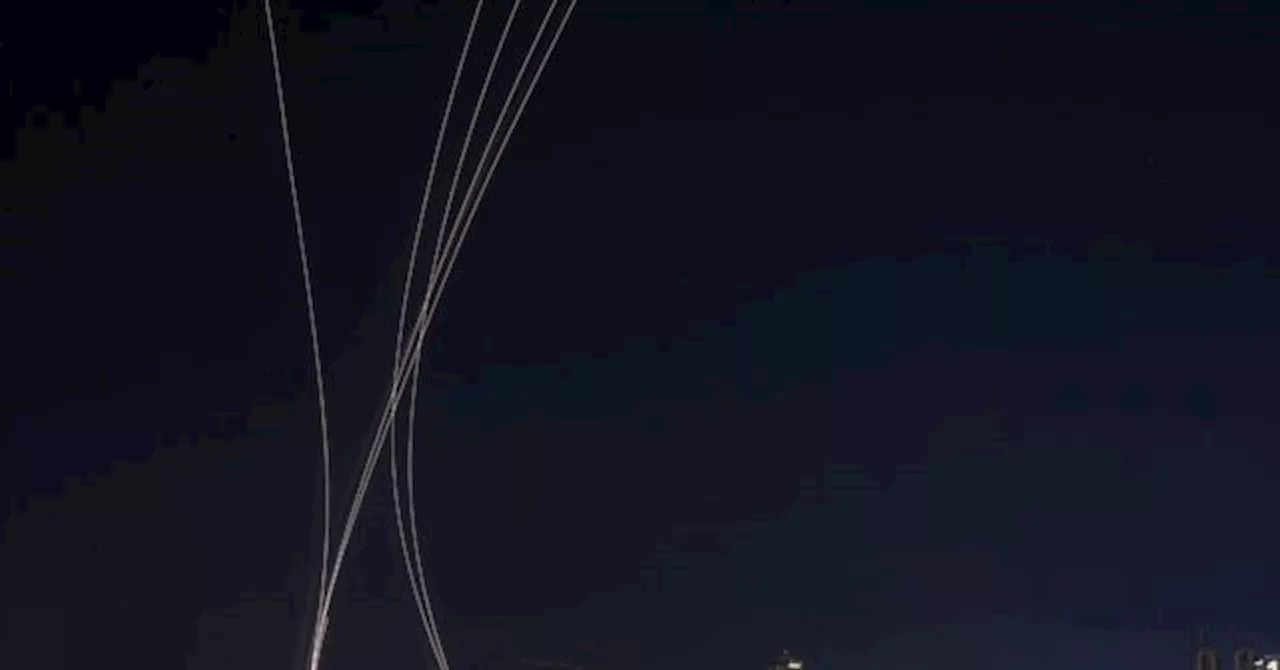
Hezbollah has escalated its conflict with Israel by launching rockets and drones from Lebanon, marking a significant shift in the ongoing hostilities. This assault, which Hezbollah described as retaliation for the killing of Iranian Supreme Leader Ali Khamenei, occurred early Monday morning. Sirens sounded in northern Israel, particularly in Haifa, as the Israel Defense Forces (IDF) confirmed the attacks.
Hezbollah’s statement referred to the assault as “a barrage of precision missiles and a swarm of drones,” framing it as revenge for Khamenei’s death. This marks the first direct involvement of the Iran-backed group in the current conflict between Israel and Iranian forces.
Israel’s Response to Hezbollah’s Attack
In response to the rocket and drone strikes, the IDF activated its Iron Beam, a laser-based air defense system designed to intercept low-cost threats effectively. This system complements the existing Iron Dome, enhancing Israel’s defense capabilities against incoming projectiles. Videos shared on social media indicated the Iron Beam was deployed to neutralize the threats targeting northern communities.
Within hours, the IDF conducted retaliatory strikes on Hezbollah positions across Lebanon, with significant damage reported in the Dahiyeh district of Beirut, a known Hezbollah stronghold. Local sources reported over a dozen explosions in the area, while the IDF claimed to have targeted Hezbollah headquarters and operatives from the group’s elite Radwan Force.
IDF Chief of Staff Lt. Gen. Eyal Zamir emphasized the military’s commitment to national security, stating, “Any enemy that threatens our security will pay a heavy price. We will not allow harm to the residents of the State of Israel or to the northern border.”
Regional Implications and Reactions
The escalation prompted reactions from Lebanese officials. Prime Minister Nawaf Salam condemned the rocket fire, labeling it “an irresponsible and suspicious act that endangers Lebanon’s security and safety,” although he refrained from directly naming Hezbollah. Previously, Lebanese leaders had urged the group to refrain from entering the expanded conflict between Israel and Iran.
This new front opened by Hezbollah sharply widens the ongoing war, which has been intensifying since the ceasefire in November 2024. With Iranian forces operating from the east and Hezbollah launching attacks from the north, Israel faces a multifaceted threat that its leaders have long anticipated and prepared for.
As the situation develops, the implications for regional security remain profound, with both Israel and Hezbollah poised for further confrontations in the days ahead.