Marshall Launches Historic CDBG Day to Spotlight Vital Community Aid
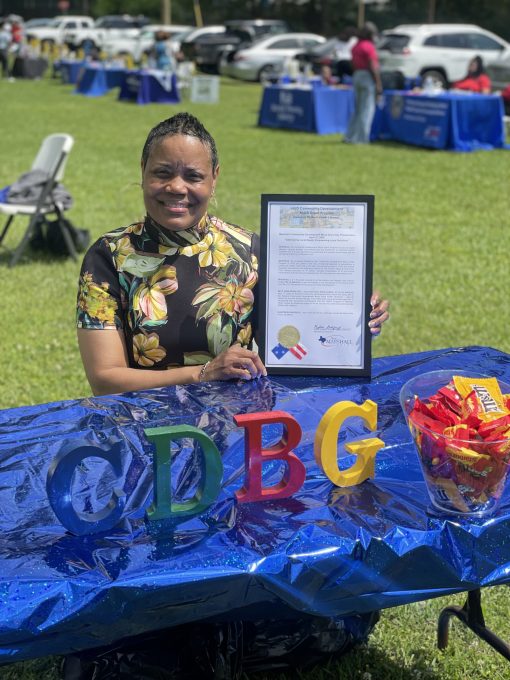
The City of Marshall recently held its inaugural CDBG Day on April 17, drawing attention to the powerful impact of the Community Development Block Grant (CDBG) program on local low-to-moderate income residents. This first-ever celebration included a resource fair at Lions Park with multiple nonprofit partners providing critical services and outreach.
District 5 Councilwoman Reba Godfrey declared the day, emphasizing the program’s role in enhancing social services, housing, infrastructure, and community facilities. “The CDBG program is of vital importance to the well-being of Marshall’s residents and to building sustainable, resilient neighborhoods,” Godfrey said in her official proclamation.
Thousands Benefiting as CDBG Fuels Local Impact
The HUD-funded grant has powered a range of key projects in 2025 and 2026, including a new community center, park improvements, and behavioral training for 124 children at the Boys & Girls Club and Communities in Schools. It has also improved literacy education for 41 adults through the Harrison County Literacy Council and rehabilitated homes for six low-income homeowners. Homeless assistance has helped 10 individuals, reflecting the program’s broad scope.
According to Tami Henderson, the city’s CDBG community development coordinator, the program supports nonprofit sub-recipients annually from June 1 to May 31. “CDBG funds help low-to-moderate income families through vital organizations like Mission Marshall, Habitat for Humanity, and the George Washington Carver Community Center,” Henderson said. The fair highlighted these groups distributing resources, information, and supports to attendees.
Local Agencies Rally to Serve Vulnerable Populations
Participating groups shared the critical ways CDBG backs their efforts: Mission Marshall provides food assistance, Habitat for Humanity handles home repairs, and the Carver Center benefits from facility upgrades like a new roof, commercial kitchen, HVAC system, playground equipment, and a basketball court renovation. These improvements support mental health services, adult daycare, and senior programs housed there.
Vernia Calhoun, president of the New Town Neighborhood Association, explained how CDBG funding fuels neighborhood beautification projects such as seasonal cleanups. The grant also covers the cost of storage for tools and supplies, enabling sustained efforts in this historic community.
Homeless Outreach Expands with Weekly Support Lunches
The resource fair spotlighted a homeless assistance initiative funded by CDBG. Henderson’s “My Friends” program delivers weekly lunches to homeless residents, prepared in the Carver Center’s grant-supported commercial kitchen. This outreach embodies the program’s direct impact on the city’s most vulnerable.
Financially, CDBG funding to Marshall has fluctuated recently from $364,128 in 2023 to $317,590 in 2026, yet the program manages to maximize its reach with limited resources. From 2020 to 2025, the grant contributed to neighborhood and facility improvements benefiting 12,000 residents, broadband access for 632 people, rehabilitation for 65 homes, rental assistance, and food service for thousands more.
Looking Ahead: Continued Support for Marshall’s Underserved
Henderson stressed the program’s ongoing mission: “Marshall is almost 50% low-to-moderate income, so it’s critical to have someone who sees these families and offers essential services.” The city invites eligible nonprofits to apply annually to continue receiving CDBG funding which fuels this extensive network of aid.
The inaugural CDBG Day also included partners like the Texas Workforce Commission, Workforce Solutions Vocational Rehabilitation, Marshall Housing Authority, and Overton Brooks VA Medical Center, highlighting a united front dedicated to improving the local quality of life.
Marshall’s launch of CDBG Day sends a clear message: federal support through community-driven programs is crucial, delivering immediate and lasting benefits for vulnerable populations, neighborhood vitality, and city-wide resilience. With growing awareness and participation, CDBG stands as a cornerstone for building a stronger Marshall today and tomorrow.