UPDATE: The Department of Justice has just issued a pivotal legal opinion, asserting that President Donald Trump can bypass state authority to allow Sable Offshore to restart oil production in Santa Barbara County. This development comes as the company seeks to resume operations at the Santa Ynez Unit, despite previous regulatory hurdles.
This sweeping 22-page opinion was released earlier today and claims that the Defense Production Act empowers Trump or his Secretary of Energy to approve Sable’s plans, overriding existing regulations from state agencies and a 2020 federal decree. The legal rationale, penned by Assistant Attorney General T. Elliot Gaiser, suggests that federal authority supersedes state law, raising immediate concerns about environmental protections.
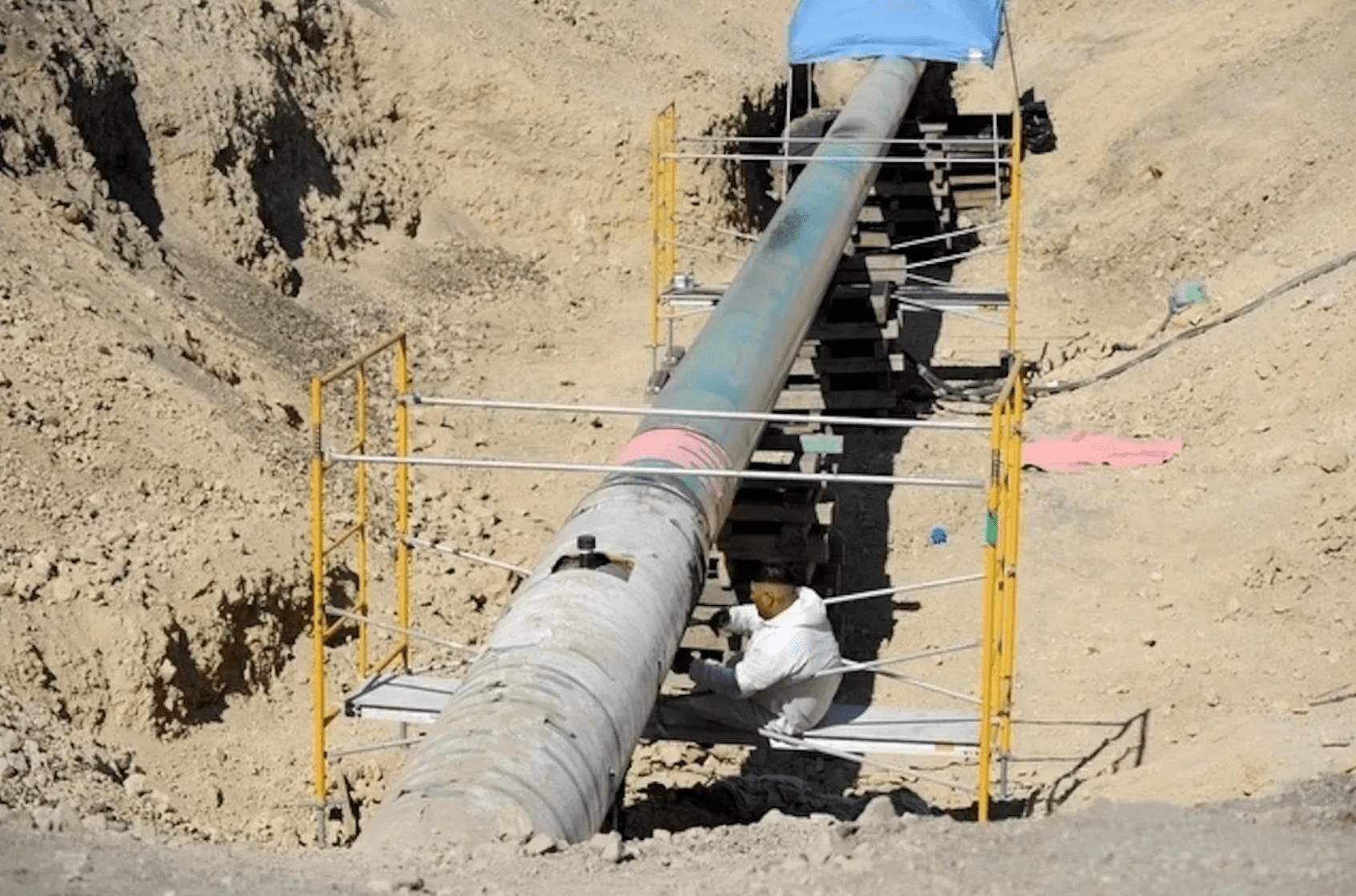
Sable Offshore argues that the California State Fire Marshal has delayed necessary approvals to restart its pipeline, which suffered a major leak in 2015, spilling 142,000 gallons of oil along the Gaviota Coast. Gaiser recognized that while he hasn’t verified Sable’s claims, he accepted their statements as fact for the purposes of his opinion.
The implications of this opinion are staggering. Gaiser indicated that the president does not need to formally activate the Defense Production Act; his executive team can act on his behalf. Moreover, he claimed that the invocation of this act could occur without a current emergency, raising alarms about the potential for unchecked federal authority.
This legal shift comes just days after a ruling from Santa Barbara County Superior Court Judge Donna Geck, who upheld an injunction preventing Sable from resuming production until all necessary state permits are secured. Judge Geck’s ruling emphasized that the Fire Marshal still holds the authority to clear the pipeline for restart, contradicting Sable’s claim of federal preemption.
Environmental advocates are alarmed by the potential ramifications. Linda Krop, chief counsel for the Environmental Defense Center, expressed her concerns about the federal government potentially overriding state environmental protections. “The stakes are huge,” she stated. “This would allow the feds to ignore all the environmental protections imposed by the state.”
Sable Offshore requires an easement from the State Parks Department to repair a four-mile pipeline running through protected coastal land. State Parks has requested additional information from Sable before making a decision, with the outcome of this situation poised to escalate into a significant jurisdictional clash between state and federal powers.
The state’s Attorney General Rob Bonta is expected to play a crucial role. While he has been consulted, no formal statement has been issued from his office yet. State Assemblymember Gregg Hart, who has pushed for California Coastal Commission oversight, indicated that ongoing inquiries are underway. “Nothing happens fast,” he cautioned, anticipating further legal challenges to this latest federal move.
State Senator Monique Limón voiced her strong opposition to the DOJ’s opinion, labeling it an attempt to push for offshore drilling despite widespread bipartisan opposition in California. “This overreach can and will have serious implications throughout the state,” she warned, highlighting the environmental risks associated with oil drilling along the coast.
As this situation develops, the focus will remain on the legal battles ahead and the potential consequences for California’s coastal environment. The urgency of this matter has already stirred up reactions in the stock market, with Sable’s stock value seeing a sharp increase following the issuance of the DOJ’s opinion.
Stay tuned as we continue to monitor this critical issue that has the potential to reshape energy production and environmental oversight in California and beyond.