Panama City is in pursuit of a unique opportunity to construct a pedestrian tunnel beneath the iconic Panama Canal, hoping to partner with Elon Musk’s Boring Company for the project. The city’s mayor, Mayer Mizrachi, outlined his vision in a recent interview, presenting a proposal that could transform the way residents and tourists engage with the canal’s rich history.
This week, Panama City was named one of 16 finalists in the Boring Company’s Tunnel Vision challenge, which offers a free tunnel to the winning city. Notably, Panama is the only finalist located outside the United States. The competition aims to showcase innovative ideas for urban tunneling, with the winner set to be announced on March 23, 2025.
Mizrachi, who became the youngest mayor in Panama City’s history at 38, envisions a 0.6-mile-long pedestrian tunnel that would allow people to experience the canal in a new light. He believes this project could serve as both a functional infrastructure element and a public space designed to educate visitors about the canal’s historical significance and its economic impact on global trade.
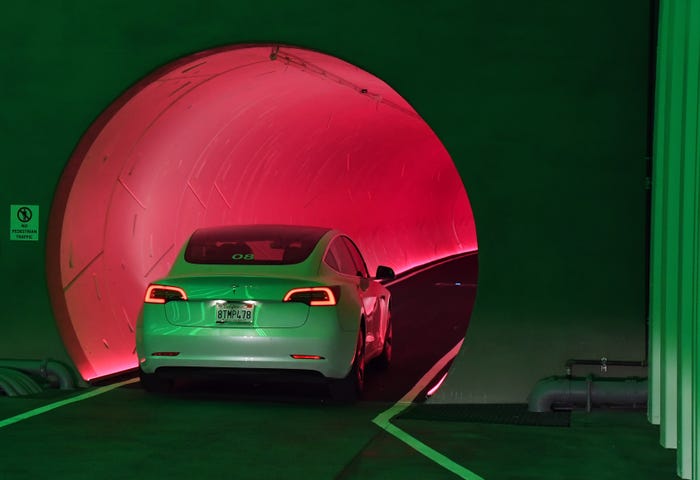
In his conversation with POLITICO, Mizrachi explained how the tunnel proposal emerged from a social media post by the Boring Company. He visited an existing tunnel project in January, which inspired him to suggest creating a pedestrian crossing beneath the canal. The proposal aims to integrate parks and educational exhibits detailing the canal’s construction and biodiversity in the region.
During his visit to Texas to pitch the idea, Mizrachi met with key figures from the Boring Company. He gained insights into the engineering and financial feasibility of such a project. “Tunnels are expensive,” he acknowledged, “but the Boring Company has developed a methodology that could make this project possible.”
The potential construction of this tunnel comes at a time when the Panama Canal has been surrounded by geopolitical discussions, particularly regarding its management and international influence. In recent years, there were tensions surrounding the canal when former President Donald Trump expressed concerns about its control, claiming high fees and foreign influence. In February 2025, Panama withdrew from China’s Belt and Road Initiative, indicating a shift in partnerships.
Mizrachi’s ambition extends beyond simple transportation; he aims to create a space that fosters community engagement. “Panamanians take pride in the canal, but we seldom get to fully experience it,” he stated. The proposed tunnel would not only facilitate pedestrian movement but also serve as an educational tool with screens displaying the canal’s history and its global significance.
With half of the 16 finalists for the challenge located in Tennessee or Texas, Mizrachi believes Panama City’s unique characteristics could give it an edge. “The Boring Company has never bored underwater, especially across a canal,” he noted. He argues that the project presents an opportunity for the company to showcase its engineering capabilities on an unprecedented scale.
Mizrachi has drawn parallels between his governance style and that of the Boring Company, emphasizing efficiency and innovative approaches to management. After taking office in July 2024, he implemented significant reductions in city personnel and budget, claiming that these changes have increased operational efficiency.
As the city awaits the announcement of the Tunnel Vision winner, the potential impact of this project could extend far beyond infrastructure. It could redefine how the citizens of Panama engage with their most significant landmark while simultaneously presenting a modern engineering feat that honors the history of the Panama Canal.