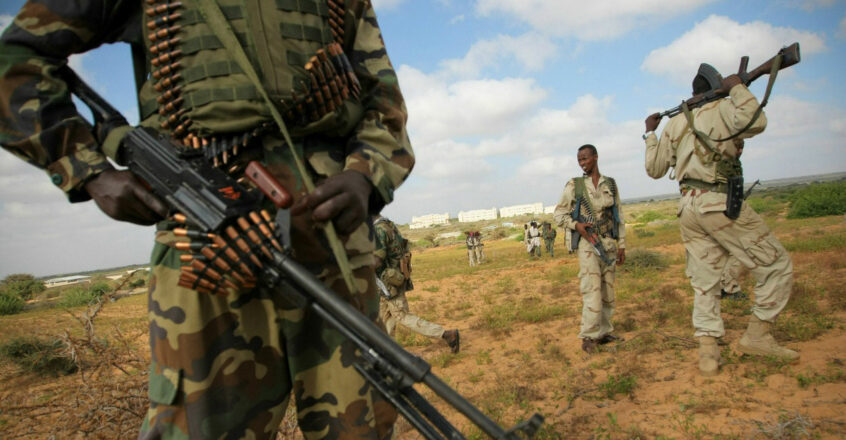
URGENT UPDATE: As Sudan’s civil war intensifies, new reports reveal the alarming connection between the Sudanese Armed Forces (SAF) and the Muslim Brotherhood, raising critical questions about U.S. foreign policy. The SAF, led by General Abdel Fattah al-Burhan, is increasingly seen as a vehicle for the Muslim Brotherhood’s interests, complicating international efforts to promote peace and democracy in the region.
The ongoing conflict between the SAF and the Rapid Support Forces (RSF) has escalated, with reports confirming that the SAF has become deeply intertwined with Islamist political networks. This relationship undermines the possibility of a democratic transition and raises urgent concerns about the humanitarian crisis unfolding in Sudan.
Reports indicate that the SAF has not only failed to uphold democratic reforms but has actively obstructed peace negotiations, aligning itself with figures such as Ali Karti and Ahmed Haroun, who are known for their hardline Islamist ideologies. The presence of these individuals within the military structure has resulted in systematic violence against marginalized communities, including ethnic groups like the Fur and Nuba.
The U.S. has recognized the threat posed by the Muslim Brotherhood in various countries, designating its chapters in Egypt and Jordan as terrorist organizations. However, the evolving situation in Sudan presents a stark contradiction. How will the international community address the reality that the SAF, increasingly shaped by these ideological networks, continues to be treated as a conventional national army?
“Continued engagement with SAF risks reinforcing the very actors that obstruct peace negotiations,”
warns the Civil Democratic Alliance for Revolutionary Forces (Somoud), which is advocating for a transition to a civilian government.
The SAF’s actions have included egregious violations of international humanitarian law. Recent reports highlighted atrocities, including the deliberate blocking of humanitarian aid and the use of starvation as a weapon against non-Arab ethnicities. The U.S. Treasury has already imposed sanctions on Karti’s El Baraa Ibn Malik Brigade for its involvement in these crimes.
As the ongoing conflict has led to thousands of casualties and widespread suffering since the coup in June 1989, the international community faces a pressing dilemma. With many former regime Islamists joining forces with the SAF, the situation complicates any attempts to bring an end to the bloodshed.
In light of these developments, movements like the Sudan Founding Alliance (Tasis) are emerging, advocating for a new, secular, and inclusive Sudan. Tasis and Somoud highlight the need for a political landscape free from the influence of the Muslim Brotherhood and its aligned militias.
Next Steps: As the situation in Sudan continues to deteriorate, the international community must reassess its approach towards the SAF and its leadership. The critical question remains: Can the U.S. and its allies support a democratic transition while recognizing and legitimizing a military institution intertwined with Islamist ideology?
The path forward is fraught with challenges. Continued support for figures like Burhan, Karti, and Haroun may inadvertently undermine the democratic ambitions of Sudan’s people. The world is watching—now is the time for decisive action to ensure a peaceful resolution to Sudan’s ongoing crisis.
This urgent situation demands immediate attention, as the consequences of inaction will resonate across the region and beyond.