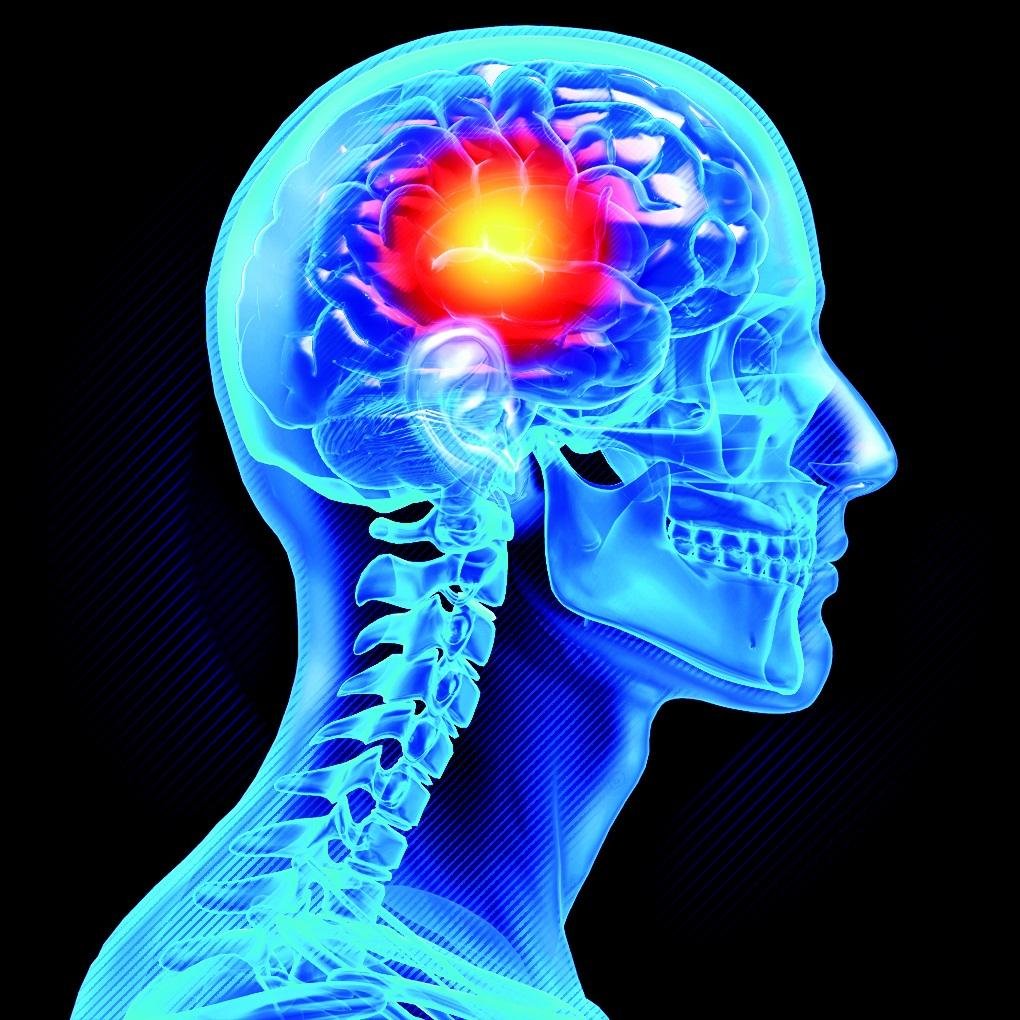
New reports confirm millions of Americans battle invisible health conditions like mental illness and chronic pain with no outward signs, leaving them misunderstood and isolated.
The challenge of invisible illnesses is urgent and pressing. Unlike visible injuries—such as a broken foot or cancer—that prompt immediate empathy and support from others, conditions like depression, anxiety, and autoimmune diseases often go unnoticed despite their devastating impact.
The Hidden Reality of Invisible Health Conditions
Take the case of Jones Fracture—a clearly visible and disabling injury. Sufferers often receive immediate help and understanding because the damage is evident. However, millions facing diseases like Ehlers Danlos Syndrome, fibromyalgia, or deep mental health struggles endure exhausting symptoms that remain invisible.
As described by a patient and mental health advocate who asked to be reached at [email protected], these “no casserole conditions” lack outward signs. People battling chronic anxiety, depression, or painful connective tissue disorders often appear healthy but use every ounce of their energy just to function.
“You don’t get the casseroles, the rides, or even simple understanding when you carry an invisible condition,” the advocate explains. “People expect you to be fine because you look fine.”
Mental Health Crisis: Why Awareness and Support Matter Now
Mental health conditions in particular kill silently. The constant fog of depression, crippling anxiety, and obsessive suicidal thoughts devastate lives without warning lights. Unlike visible injuries, these conditions demand extraordinary self-advocacy.
Experts urge those suffering to seek support by sharing their experiences openly with friends, family, or groups. Clear communication—like explaining sleep difficulties in detail or needing to rest instead of attending social events—can be lifesaving and lead to much-needed accommodations.
The National Alliance for Mental Health emphasizes education as key: “They cannot know until they know.” Learning about conditions and openly discussing needs helps break stigma and isolation, officials say.
Practical Strategies for Navigating Invisible Illness
Experts recommend several urgent strategies for those coping with invisible conditions:
- Seek validation and support: Reach out to trusted circles who can listen without judgment.
- Self-advocate: Provide detailed symptom descriptions to healthcare providers and vocalize boundaries in social settings.
- Develop coping toolboxes: Use mindfulness, pacing, and therapy tailored to individual symptoms.
- Educate others: Share knowledge to reduce misconceptions and increase empathy.
- Practice flexibility: Adjust plans and manage expectations to conserve limited energy.
When ignored, invisible illnesses contribute to crippling isolation—sometimes worse than the symptoms themselves. Mental health advocates warn that the isolation barrier must come down to ease the “dual burden” of these hidden ailments.
What’s Next for Advocacy and Awareness?
With millions affected nationwide, the spotlight on invisible conditions grows brighter. Mental health professionals stress immediate awareness campaigns and community support to prevent needless suffering.
The plea is clear: society must recognize the weight of these unseen struggles and react with empathy, not skepticism. This inclusion could transform lives and break cycles of isolation and pain.
Those battling invisible conditions are urged to speak up now and access resources for support. Mental health groups and advocacy organizations remain vital safety nets during this critical time.
“Most people would be very understanding if we let them in on our struggles,” says a leading mental health advocate.
For questions or support, contact Shirley at [email protected].