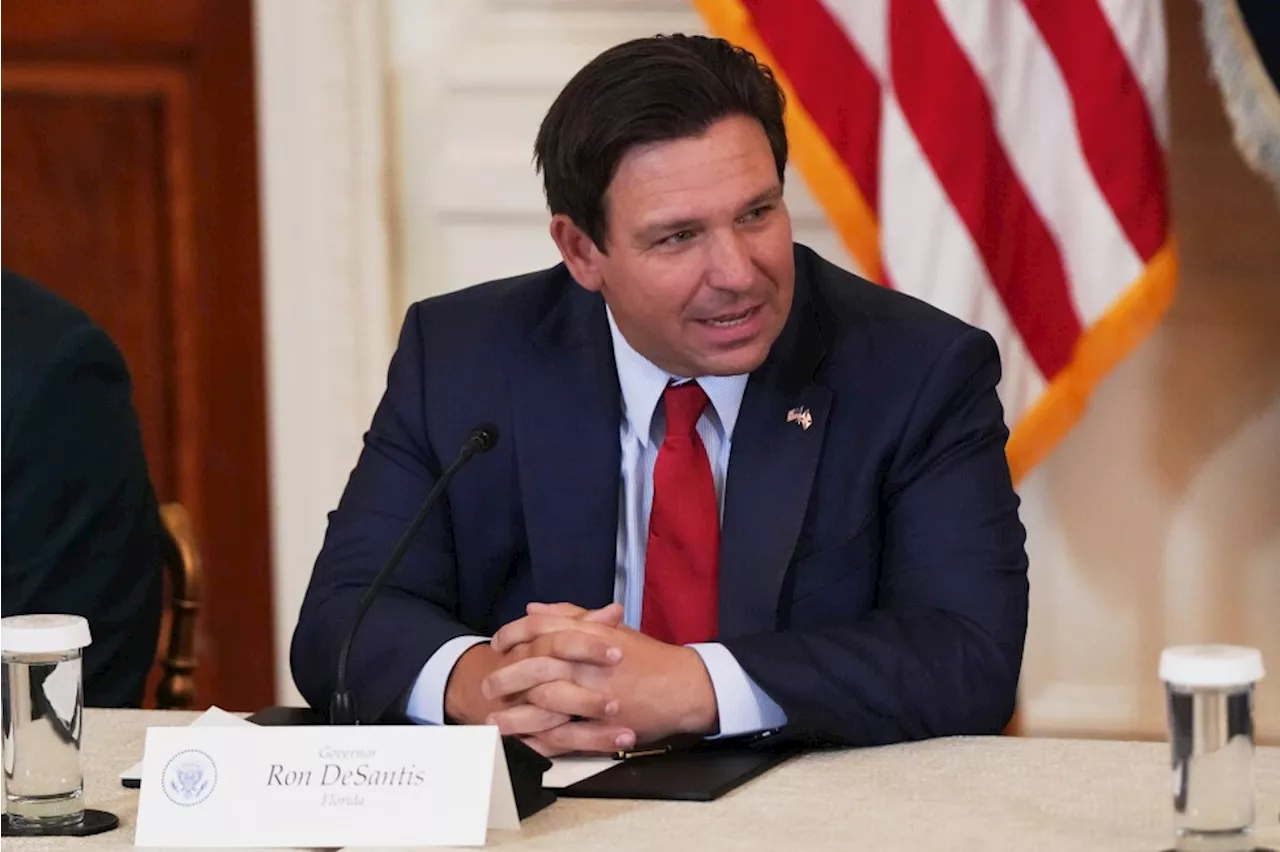
Florida Governor Ron DeSantis is thrust back into the national spotlight by unveiling a bold proposal to redraw Florida’s congressional map aimed at delivering four additional Republican seats in Congress ahead of the November midterm elections.
The move is a direct political gambit as DeSantis’ second term winds down, signaling one of his final major efforts to reassert himself as a future national leader within the Republican Party. His proposed map seeks to reshape districts particularly around Democratic strongholds in Orlando and Tampa Bay and condense Democratic voters into fewer districts in South Florida, threatening incumbents like Reps. Jared Moskowitz and Debbie Wasserman Schultz.
DeSantis Seeks to Shift Power in Florida’s Congressional Map
The current 2024 congressional map favors Republicans at a 20 to 8 ratio. DeSantis’ plan, if approved by state lawmakers, could increase that advantage to 24 to 4. The governor publicly disclosed his map first on Monday during a Fox News segment, even before it circulated widely among Florida legislators.
DeSantis justified the redrawing based on the state’s population growth and changes captured in the 2020 census. However, some Republicans warn the plan risks creating more competitive districts that could backfire, allowing Democrats to gain seats especially if there is anti-Trump voter mobilization this year.
“If Florida moves like it can, the Republicans will at least be even,” said Karl Rove, former adviser to President George W. Bush. “If Republicans get too aggressive, they may lose a seat or two.”
Challenges Within the GOP and Legislative Hurdles
Despite DeSantis’ assertive push, not all Republicans in Tallahassee are fully on board. House Speaker Daniel Perez and Senate President Ben Albritton have maintained a cautious stance, waiting to respond to the governor’s proposals without making their own maps. Albritton has reminded senators about Florida’s constitutional constraints on redistricting, emphasizing that maps must not be overtly partisan.
Relations between DeSantis and some legislative leaders have shown signs of strain, with Perez publicly acknowledging readiness to discuss redistricting but remaining guarded. Meanwhile, influential Florida lobbyist and top DeSantis fundraiser Brian Ballard defended the governor, calling him “incredibly smart and capable” and reminding that DeSantis successfully engineered the 2021 GOP-favored map.
DeSantis’ Broader Agenda Raises Stakes
The congressional map fight is just one front. DeSantis is also pressing for stronger state regulations on artificial intelligence, including limiting children’s interactions with chatbots without parental approval and restricting AI-generated harmful content targeting minors. Additionally, he aims to allow conscience-based exemptions to vaccine mandates in public schools, echoing the anti-vaccine faction within the GOP aligned with Donald Trump’s 2024 health secretary pick, Robert F. Kennedy Jr.
These proposals have faced resistance in the Florida House, particularly from Speaker Perez, indicating a potentially contentious special legislative session starting Tuesday.
Political Fallout and Trump Rivalry
The stakes extend beyond Florida’s political map. Former President Donald Trump, still a towering figure in the Republican Party, is watching closely as DeSantis maneuvers to solidify his influence. Trump’s own position on federal redistricting differs from DeSantis’ state-led plan, and tensions linger from their bruising 2024 presidential primary rivalry.
DeSantis, while endorsing Trump after his campaign ended, has had a complicated relationship with key Trump allies, including Chief of Staff Susie Wiles, whose long memory may dim prospects for DeSantis as a straightforward Trump successor.
“Donald Trump has a long memory, and Susie Wiles has a longer one,” remarked a political insider. “That doesn’t bode well for Gov. DeSantis to be Donald Trump’s Republican successor.”
What’s Next?
Tallahassee’s special session will be closely watched as Republicans weigh DeSantis’ aggressive strategy. The outcome could reshape Florida’s political landscape and set the stage for the 2026 midterms—and DeSantis’ national ambitions. With a narrow window left in his governorship, this battle over maps and messaging may be DeSantis’ most crucial political test yet.
Florida voters and political watchers nationwide should expect intense debate and fast-moving developments as this redistricting fight unfolds in the coming days.