Air New Zealand unveils ‘Skynest’ sleep pods for economy in November
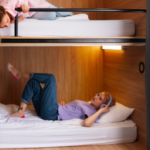
Air New Zealand is launching a groundbreaking new product for long-haul economy travelers: lie-flat sleep pods called Skynest priced at NZ$495 (about US$292) for a four-hour session. Starting this November, passengers on the New York JFK to Auckland route will be able to purchase access to one of six narrow, bunk-style pods installed between the premium economy and economy cabins aboard the Boeing 787-9 Dreamliner.
This move marks a bold step in monetizing rest, allowing economy flyers—typically unable to lie flat—to buy a horizontal sleeping space during the 17-hour transpacific flight. The sessions are limited to one per passenger, who must be 15 or older, and include mattress, fresh bedding, privacy curtain, reading light, charging port, and an amenity kit.
‘Skynest’ economics reveal new revenue stream amid airline challenges
According to Air New Zealand CEO Nikhil Ravishankar, each flight can generate an additional NZ$5,940 (nearly US$3,500) by selling both sessions across the six pods, creating revenue from space that previously earned nothing. While not a transformative windfall, this innovative approach is crucial as airlines face persistent fuel cost volatility and operational cutbacks, including a recent reduction of about 4% of flights.
Air New Zealand first announced the Skynest concept in 2020 but delayed its rollout due to industry upheaval. A pilot program in late 2024 refined the idea, now fully launching in 2026 to capture demand from economy passengers eager for better rest but unable to afford or access business-class flat beds.
What passengers can expect inside the Skynest pods
The Skynest pods stack three high on either side of a small cabin between economy sections. Each pod measures about 203 cm long and narrows from 64 cm at the shoulders to 41 cm at the feet, restricting sitting up or dining inside. Air New Zealand notes kids can’t be sneaked in, and passengers are advised to limit strong scents, as snoring is expected but accepted.
This product targets a middle segment of travelers—those who are exhausted, prepared to pay extra, but not traveling business class. The pods offer four hours of horizontal sleep without meals or seating flexibility, positioned as a temporary lifeline rather than full cabin upgrade.
Industry watchers eye Air New Zealand’s pioneering move
Other major players are following closely. Reports show United Airlines is developing a triple-seat couch conversion for 2027, and Qantas plans a wellness area on Sydney–London flights starting this June. This suggests a growing airline trend to “unbundle” sleep as a separate purchasable amenity, much like baggage fees and seat selection have evolved.
For American travelers flying long-haul routes, this represents a shift in how comfort is marketed and sold. As ticket prices approach or exceed US$900 for economy, adding nearly US$300 for dedicated sleep space raises questions about what premium comfort is worth and how airlines will continue stacking fees on basic travel.
What’s next for airline comfort and sleep innovation
As Air New Zealand opens sales on May 18, 2026, the industry will be watching closely to see if passengers embrace the Skynest pods or balk at the extra cost. The flights begin November 2026, offering early clues about whether sleep can successfully be “unbundled” as a new revenue source on crowded, expensive long-haul flights.
The Skynest launch highlights the ongoing struggle airlines face balancing passenger demand, operational costs, and finding innovative ways to profit from limited cabin space—especially in economy. For now, those boarding flights between New York and Auckland will have a striking new option to buy a few hours of restful sleep in the sky.