Suspect Arrested in Deadly Palisades Fire Motivated by Resentment of Wealth
Jonathan Rinderknecht, 30, has been arrested for allegedly starting the fire that exploded into the catastrophic Palisades fire, one of the costliest disasters in U.S. history. New court documents reveal Rinderknecht harbored deep anger towards wealthy individuals and admired accused United Healthcare CEO killer Luigi Mangione as a Robin Hood figure, exposing a radical motive behind the blaze.
The fire erupted on January 1 in Pacific Palisades, initially smoldering underground before raging into a deadly inferno that destroyed 6,500 structures across the Palisades and Malibu areas. It claimed the lives of 12 victims and caused billions of dollars in damages and insurance losses.
Evidence Links Rinderknecht to Fire; Motive Rooted in Anti-Wealth Sentiment
Investigators found a BIC lighter with Rinderknecht’s DNA inside his vehicle, which he admitted carrying on local hiking trails. Digital forensics uncovered alarming searches from December 2024, including phrases like “Free Luigi” and “reddit lets kill all billionaires.” Rinderknecht’s online history and electronic devices linked him directly to the fire’s origin near the Lachman trail.
Witnesses reported Rinderknecht behaving erratically, expressing sharp anger against capitalism and the wealthy in the hours before the fire broke out. Prosecutors detailed how Rinderknecht suffered a personal setback with a former coworker and received a rejection on December 30, triggering “frantic voicemails” and messages through ChatGPT fueled by bitterness. He was found listening to a French rap song featuring burning imagery, underscoring his emotional state.
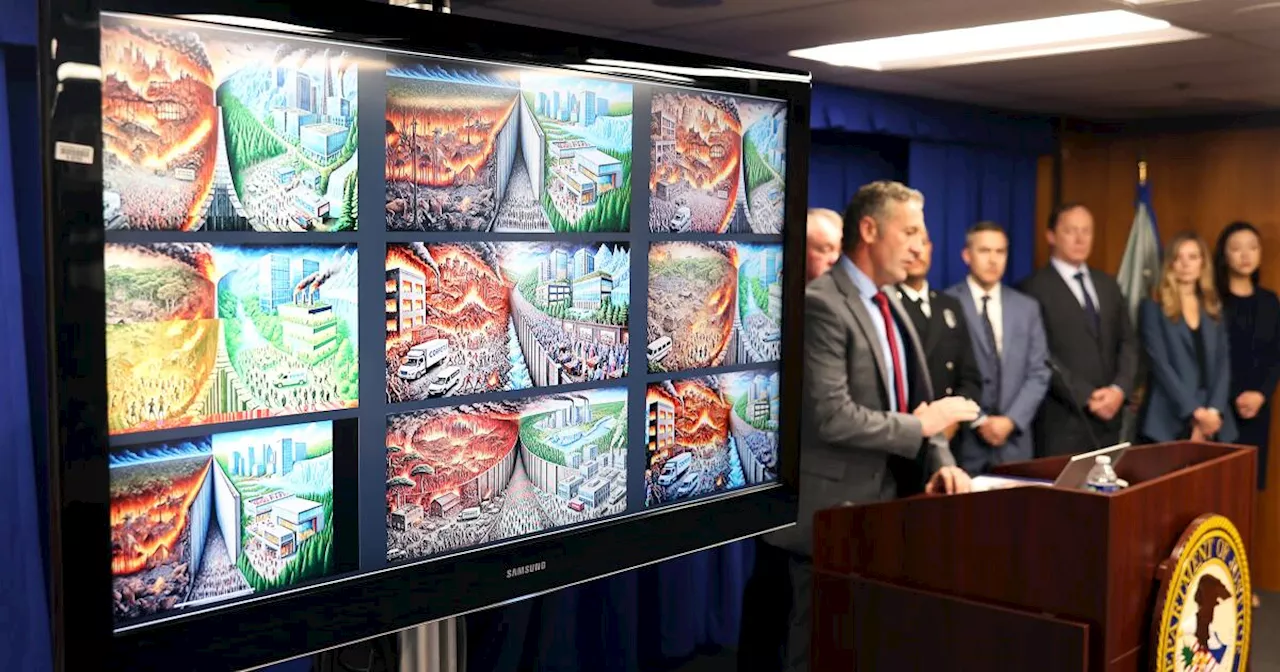
Federal prosecutors outlined in a 25-page brief that Rinderknecht viewed Mangione not as a criminal, but a hero challenging societal elites. His own statements drew parallels between his fire-setting and Mangione’s alleged killing of a CEO. Rinderknecht reportedly returned to the fire scene after it started to watch firefighters respond, deepening suspicions.
Discrepancies and Legal Challenges Ahead
Geolocation data contradicts Rinderknecht’s account of discovering the fire, placing him closer to the ignition point as he called 911. Video evidence recorded days before shows him commenting ominously near fire engines, hinting at anticipated consequences for others. Despite this, legal experts warn the prosecution faces hurdles. Attorney Steve Haney, defending Rinderknecht, insists the evidence is circumstantial and insufficient to conclusively tie his client to the inferno.
Legal analyst Neama Rahmani highlights that proving motive based on political views and personal relationships is challenging, marking a key battleground in the upcoming trial. The question remains whether the fire, initially believed extinguished, was reignited by winds on January 7, amplifying the devastation.
Impact of the Fire and Ongoing Investigation
The Palisades fire is now etched as a grim chapter in California’s wildfire history. Its aftermath continues to affect thousands of displaced residents and emergency responders. The Bureau of Alcohol, Tobacco, Firearms and Explosives (ATF) spearheaded the investigation, culminating in Rinderknecht’s arrest eight months after the blaze. Authorities confirm the probe remains active as more evidence is reviewed.
With public safety and accountability in focus, officials urge vigilance as they build the case against Rinderknecht, whose alleged actions have shattered lives and homes. The case raises urgent questions about the intersection of personal grievances, ideological extremism, and public safety in America’s wildfire-prone regions.
Next Steps: Trial and Community Recovery
As Rinderknecht faces federal charges, the community stands poised for a lengthy legal battle. Updates on court proceedings are expected soon, with prosecutors preparing to push for justice for victims. Meanwhile, rebuilding efforts continue amid widespread trauma and loss.
This developing story underscores the deadly impact of arson fueled by radical resentment and the urgent need for vigilance against such threats nationwide.