Good Housekeeping Unleashes Intense Washing Machine Testing Process
The Good Housekeeping Institute is exposing how washing machines are put through relentless tests to find the best models for American homes. Their Home Care Cleaning Lab uses industry-standard methods that dive deep into cleaning power, gentleness on fabric, and energy use—making this the ultimate laundry showdown.
With so many washers crowding store shelves, choosing the right one feels overwhelming. Now, the Good Housekeeping team cuts through the noise by applying controlled tests prescribed by the Association of Home Appliance Manufacturers, guaranteeing objective results unaffected by variables like water hardness or detergent brand.
The Testing You Didn’t Know Was This Strict
Every washing machine is challenged on multiple fronts—from heavy-duty stain removal to delicate fabric care across a variety of cycles and load sizes. The lab recreates household laundry scenarios using specially designed loads packed with towels, sheets, and even fragile cotton swatches.
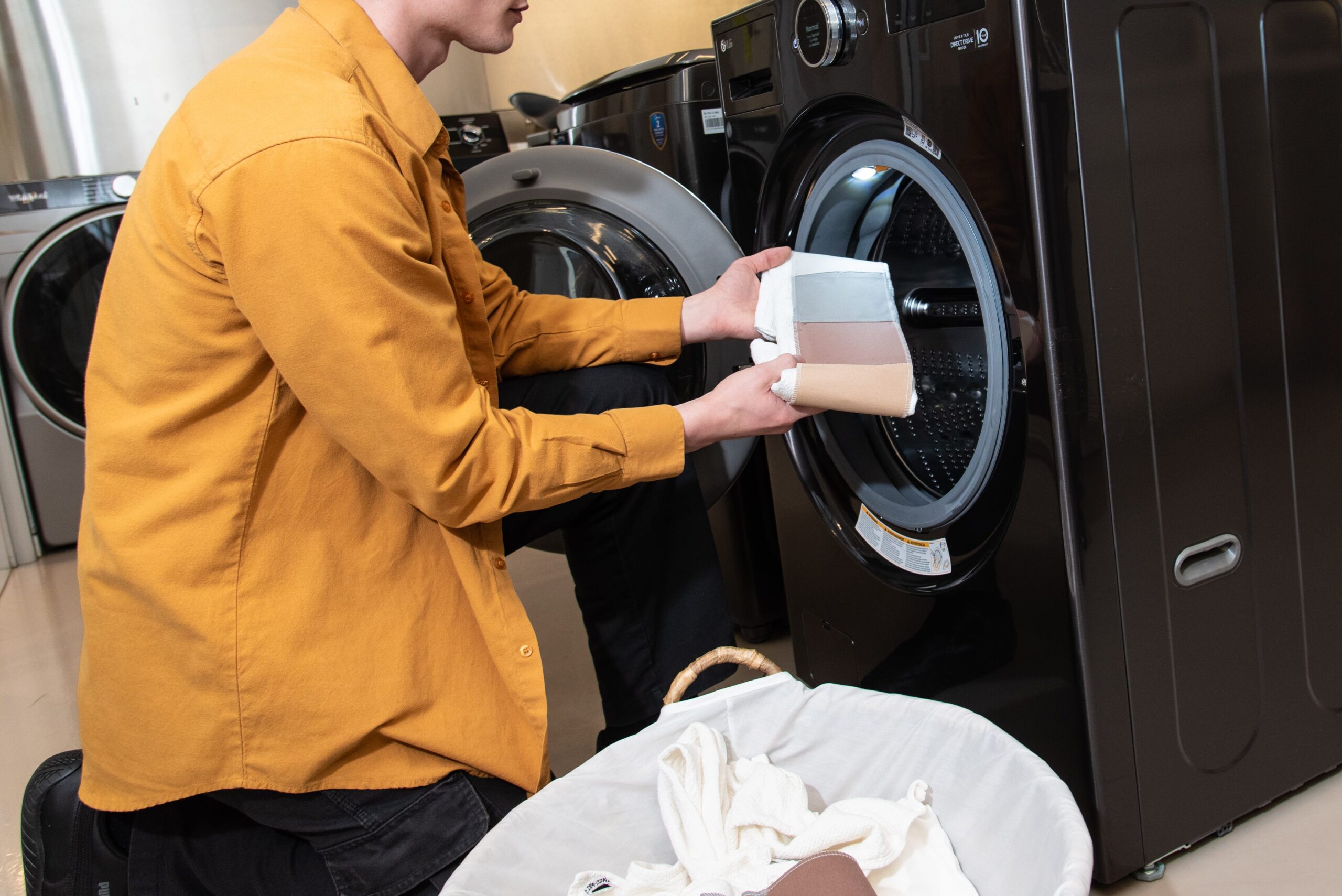
To test cleaning ability, the team attaches pre-made stain strips resembling body oils, blood, and wine to fabric. After a wash cycle, these strips are analyzed by a colorimeter, a device measuring exactly how much soil each machine can wash away. This method reveals which washers truly clean beyond just surface-level dirt.
Not stopping at cleanliness, testers also check for fabric damage. Fragile cotton swatches with tiny holes help pinpoint how harsh a machine is—the more fraying, the rougher the cycle. Plus, the spin cycle’s water extraction effectiveness is weighed by checking load weights before and after drying.
Speed and Usability Matter—And They Test Those Too
Cycle speed is tracked for every load and setting, showing which washers get laundry done fastest without sacrificing results. But it’s not just about performance; ease of use holds heavy weight in evaluations.
Testers navigate control panels to judge intuitiveness, assessing how simple it is to select cycles, add detergent, and load clothes. Machines that combine strong performance with user-friendly designs consistently win high marks, ensuring hassle-free laundry for busy American families.
Energy Efficiency and Real-World Tested Reliability
Beyond lab metrics, the Institute tracks water usage and energy consumption, spotlighting washers that save money and resources. They go further by sending select models home with staffers for real-world testing, confirming durability, noise levels, and everyday satisfaction over time.
This dual lab-and-home approach guarantees only the most reliable and efficient machines make the recommended list for consumers.
Why This Matters NOW for American Shoppers
Laundry machines are a major investment, often lasting years. Good Housekeeping’s unveiling of their exacting testing process arms buyers with trusted, data-driven insights to make immediate, confident decisions—avoiding costly trial and error with models that don’t cut it.
As new washers hit the market loaded with a dizzying array of cycles and features, this transparent breakdown shows how to separate genuinely effective machines from flashy gimmicks. The stakes are high for families juggling time, budgets, and fabric care needs.
What to Watch For Next
Good Housekeeping continues testing current and upcoming washers, promising fresh updates on which models dominate cleaning power and efficiency across price points. Consumers can expect ongoing recommendations grounded in rigorous science and practical in-home experience.
For anyone in the market for a new washing machine, staying tuned to these findings means choosing smarter and saving big on laundry headaches down the line.