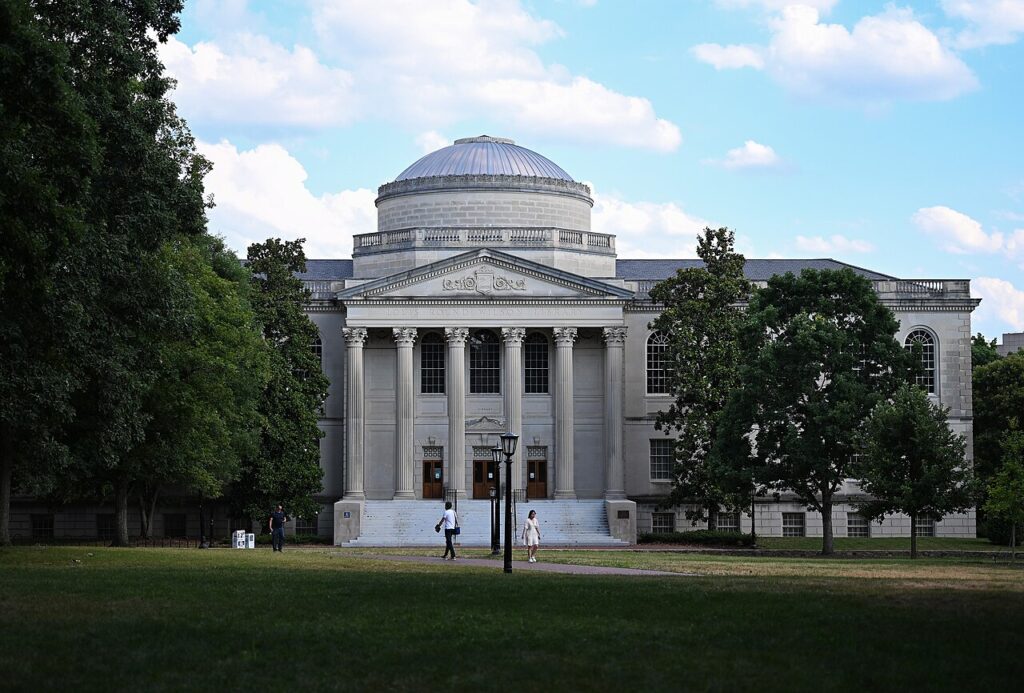
UNC System Unveils Pilot 3-Year Degree Program to Cut Student Costs Dramatically
The University of North Carolina (UNC) System is moving swiftly to revolutionize college education by launching a pilot program offering accelerated three-year bachelor’s degrees. Approved on April 27 by the UNC Board of Governors, this initiative targets the escalating burden of student debt and aims to fast-track entry into the workforce for North Carolina students across its 16 public universities.
Starting immediately, select campuses including UNC Greensboro, UNC Asheville, and Appalachian State University will offer these compressed degree paths. Instead of relying on AP credits as past programs did, UNC’s new model uses a carefully restructured curriculum to eliminate redundancies while maintaining academic rigor. This “structured pathway” focuses on in-demand majors like Business, Communications, and Social Sciences, tailoring programs for workforce readiness.
UNC System President Peter Hans emphasized the urgency behind the change.
“College should not be a one-size-fits-all time commitment,”
Hans said, highlighting the program’s potential to promote flexibility and affordability for students.
System officials estimate that students graduating a full year earlier could save up to 25% on tuition and fees, offering immediate financial relief to families struggling with the cost of higher education. The accelerated timeline also aims to reduce the time students spend paying for living expenses and loans, creating a faster pathway to economic stability.
What This Means for Students and Higher Education Nationwide
This pilot is part of a nationwide surge toward three-year degrees. According to the U.S. Department of Education, nearly 60 colleges and universities across the U.S. have adopted or announced similar programs. Known as the “College in 3” movement, these accelerated paths appeal to students and families demanding clearer value in a degree amid rising tuition costs and an increasingly competitive job market.
UNC’s initiative prioritizes workforce-ready education delivered faster yet without sacrificing depth. Critics, however, warn the compressed schedule could increase student burnout and reduce vital “co-curricular” activities like internships and study abroad programs, which often enrich the senior year experience.
Despite concerns, UNC’s pilot will carefully monitor outcomes during its rollout this year with plans to expand if successful. The selection of campuses and majors reflects an intent to balance academic quality, student well-being, and market demand. This evolving plan signals a major shift in higher education’s approach to time, cost, and career preparation.
Next Steps and What Students Should Know
For prospective students, this new pathway means a potential shortcut that can substantially cut costs and time to degree completion. Students considering these programs should weigh the faster pace against the traditional four-year college experience and opportunities that come with it.
Parents and policymakers nationwide will be watching closely as UNC pioneers moves that could reshape how public universities tackle affordability and accessibility. As the academic year unfolds, updates on student outcomes and program expansion will be critical to measuring success.
For now, UNC’s April 27 decision stands as a bold step to modernize public higher education, directly confronting the financial pressures faced by millions of American students.