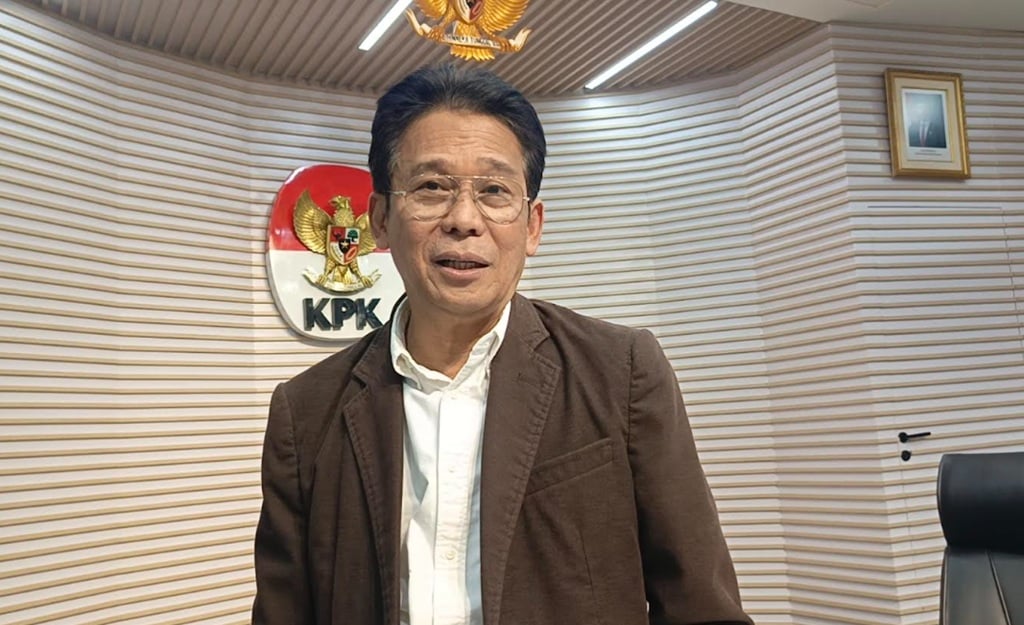
Indonesian President Joko Widodo, commonly referred to as Jokowi, has expressed his support for returning the Anti-Corruption Law (UU KPK) to its previous version. His statement has prompted a response from Johanis Tanak, the Vice Chair of the Corruption Eradication Commission (KPK), who emphasized the importance of the law beyond mere legislation.
Tanak Highlights the Role of the KPK
Tanak stated that laws are not temporary items that can be borrowed and returned at will. “What is it that wants to be returned? The law is not an item that can be borrowed and then returned when no longer needed,” he said in a statement on Sunday, February 15, 2026. His comments underscore the KPK’s commitment to combating corruption under the existing legal framework.
Currently, the KPK operates under both the old and new versions of the law. Tanak noted that the recent amendments have clarified the legal status of KPK employees as civil servants. This clarity is vital for maintaining the independence of the KPK, allowing it to function without interference from other institutions.
Concerns About Legislative Changes
Tanak voiced concerns regarding the implications of the proposed changes to the KPK’s legal standing. “If we want the KPK to operate independently, the changes to the Anti-Corruption Law should only involve the placement of the KPK within the judicial branch,” he remarked. He emphasized that the KPK should be aligned with other judicial institutions such as the Supreme Court (MA).
The ongoing discussion reflects a broader debate about the effectiveness and authority of the KPK in Indonesia’s fight against corruption. As the commission continues to navigate its role, the potential reversion to the previous law raises significant questions about the future of anti-corruption efforts in the country.
As this situation develops, the KPK remains focused on its mission to prevent and eradicate corruption, urging lawmakers to consider the implications of any changes on the commission’s ability to perform its duties effectively.