As Russia intensifies its assault on Ukraine, the country is grappling with an alarming tactic: the weaponization of electricity. Over a recent weekend, Russian forces launched dozens of missiles and hundreds of drones, primarily targeting energy infrastructure rather than military installations. Power plants, substations, and transmission lines are under relentless attack, leaving civilians without heat and light during the harsh winter months.
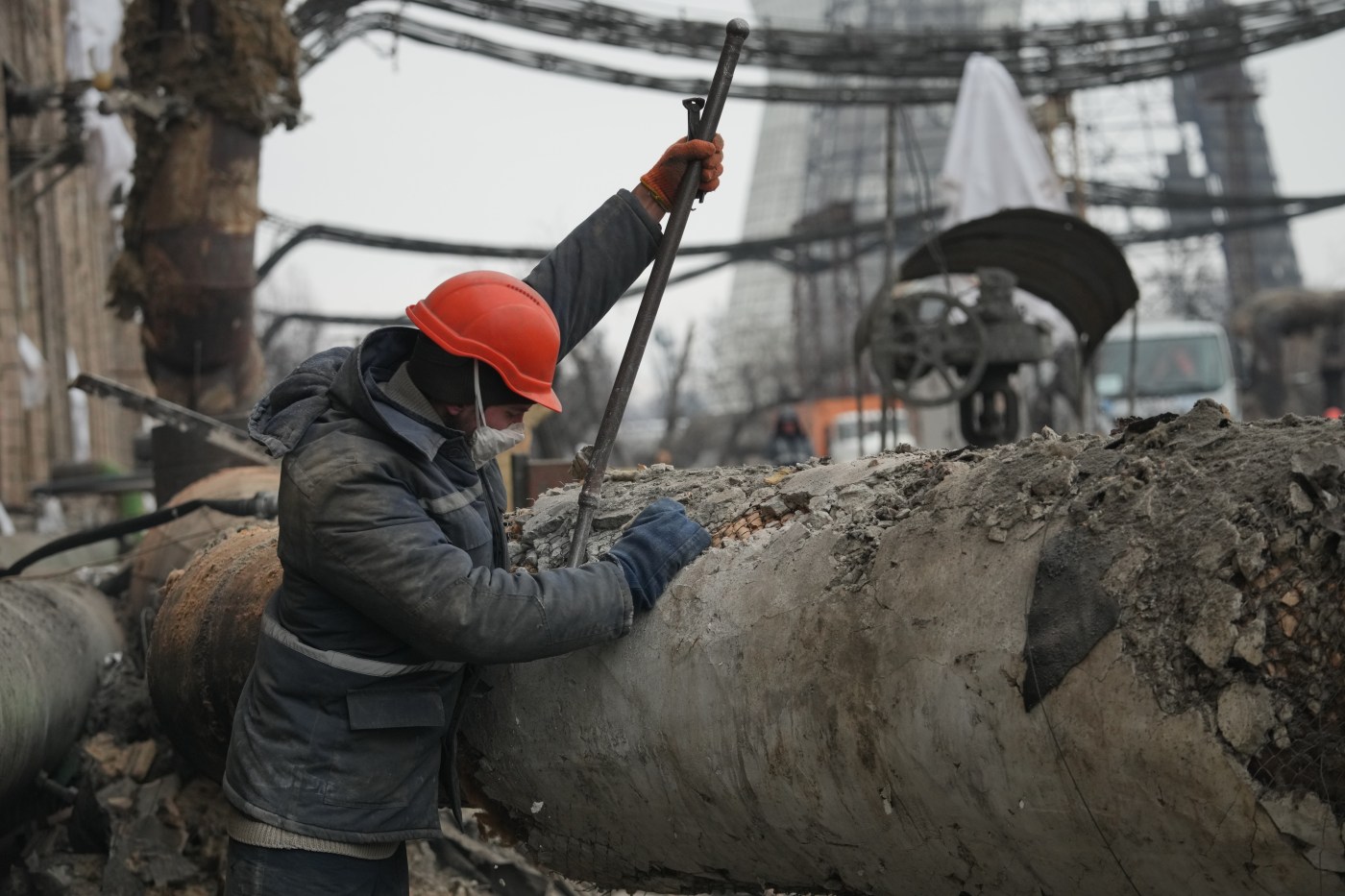
Maxim Timchenko, the CEO of DTEK, Ukraine’s largest private energy company, highlighted the dire situation during an interview. He emphasized the resilience of energy workers who, despite facing personal risks and working in freezing temperatures, are determined to restore power. “What I see every day is not fear, but determination,” Timchenko said. “People go back to work after sleepless nights filled with attacks, working in freezing temperatures and under the risk of further strikes.”
The Strategic Shift in Warfare
Electricity has emerged as a crucial battleground in modern warfare. Disrupting power supplies can cripple hospitals, halt water systems, and sever communications, leaving daily life in chaos. This strategy, aimed at exerting pressure on civilians, is not new for Russia. In 2015 and 2016, Russian hackers infiltrated Ukraine’s power grid, briefly cutting electricity for hundreds of thousands of people. These cyberattacks were a precursor to the current overt military strategy, which now involves air strikes aimed at destroying critical infrastructure.
Winter amplifies the impact of these attacks, as outages can escalate into humanitarian crises. The ongoing strikes are often timed with cold spells, exacerbating the suffering of civilians and highlighting the calculated nature of this warfare. The situation underscores that Ukraine is not merely facing an invasion; it is enduring a campaign designed to make civilian life unbearable.
Consequences of Attacks and Global Implications
The ability of Ukraine to maintain its electricity supply increasingly hinges on its air-defense systems. These systems are vital not only for protecting military installations but also for safeguarding power plants and the crews working to repair them. When these defenses are overwhelmed, the damage to the grid increases, leading to prolonged blackouts and further civilian suffering. Delays in the delivery of weapons from international allies, particularly the United States, directly translate into colder homes and disrupted healthcare services.
The ramifications of Russia’s strategy extend beyond Ukraine’s borders. In late December 2022, Russian-linked hackers reportedly targeted Poland, nearly causing widespread blackouts as temperatures plummeted. Additionally, Italy has faced attempted cyber intrusions, signifying that energy infrastructure is vulnerable to attacks across Europe. Such developments reveal a concerning trend where energy systems, once considered secure, are now active war zones.
Ukraine’s response has involved targeting Russian oil refineries and fuel depots to disrupt the logistical underpinnings of Moscow’s military operations. This reciprocal approach indicates a shift in energy’s role within the conflict, transforming it from a tool of economic leverage to a direct instrument of warfare.
The situation in Ukraine serves as a stark warning. Modern societies are heavily dependent on electricity, and a prolonged blackout can have cascading effects on essential services, including water supply, food production, and healthcare. What unfolds in Ukraine is indicative of a broader trend in contemporary conflicts, where wars are increasingly fought over systems that underpin everyday life.
Ukraine’s energy workers, returning tirelessly to damaged facilities to restore power, illustrate the stakes involved. Their efforts are not just about infrastructure; they are about maintaining the fabric of daily life for millions of people. As the conflict continues, the ability to defend against attacks on energy infrastructure will be crucial in determining whether this form of warfare becomes commonplace or serves as a cautionary tale for future conflicts.