‘Devil Wears Prada 2’ Meme Revealed as Human Art, Not AI
The viral meme in “The Devil Wears Prada 2” that many fans believed was AI-generated has been confirmed as hand-painted by a real artist, shaking audience assumptions about artificial intelligence and creativity in pop culture today.
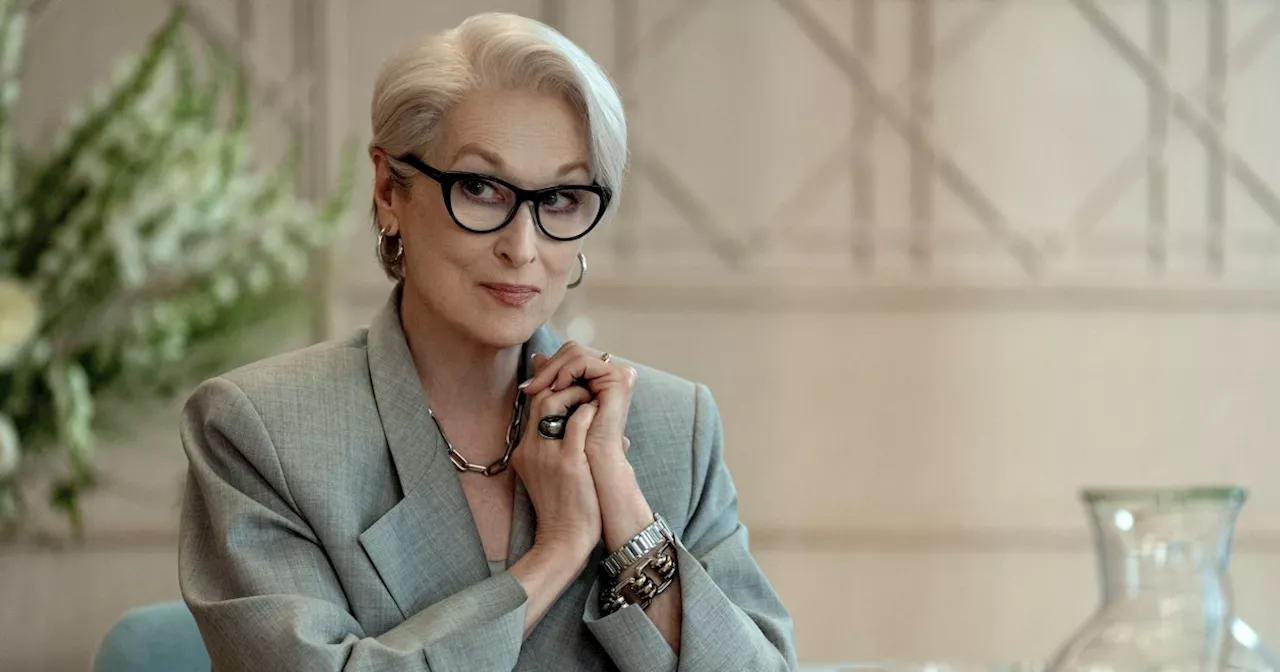
During the blockbuster sequel’s release, a brief but striking meme appeared on screen depicting the film’s powerhouse character Miranda Priestley, played by Meryl Streep, as a fast-food worker with the caption “Would you like some lies with that?” Its deliberately cheap, plastic, and blurry style had viewers convinced it was intentionally mimicking AI “slop” — the rough, imperfect artifacts AI art often produces.
However, Alexis Franklin, a professional illustrator with nearly a decade of experience, revealed via Instagram and in an email to NBC News that she personally hand-painted the image after being commissioned by director David Frankel. Franklin shared a time lapse video of her creative process, which took several days of intermittent work to complete.
“Absolutely no disrespect to Queen Meryl, but this is something I would’ve painted in my free time,” Franklin posted, adding that the project was “nothing but fun.” Her choice to give the meme a “cheap, plastic look” was intended to evoke the early 2010s meme aesthetic — not to imitate AI art directly.
Fans Shocked, Skepticism Ignites Debate About AI and Human Creativity
The revelation surprised many who praised the film’s bold choice to commission a human artist instead of relying on artificial intelligence. Comments flooded Franklin’s post, celebrating the “refreshing” return of human artistry in an age where AI so frequently dominates creative work.
“AI replacing artists 🙅🏻♀️ artists replacing AI 🙂↕️,” wrote one social media user.
Despite Franklin’s transparent disclosure and shared portfolio spanning years before the AI art boom, some commenters remain skeptical, speculating that signs of AI involvement lurk within the human-made image. Franklin explained that some micro-errors in the meme, which viewers thought were intentional AI mimicry, were just normal human imperfections.
“Technically I was trying to make it look artificial, but emulating AI was not on my mind,” Franklin told NBC News. She added the situation highlights a new cultural tension: as generative AI grows more advanced, people increasingly struggle to distinguish human work from AI and often assume the worst.
The Broader Impact: Artists Grapple With AI Era Challenges
Franklin’s experience exposes a puzzling phenomenon among media consumers and artists alike: hypervigilance against AI deception can ironically lead to mistrusting genuine human art. She warns that while skepticism aims to protect artists’ jobs, it can inadvertently harm human creators by casting doubt on their work.
“AI is so prevalent now it feels like people have forgotten how it got that good — it studied us,” Franklin said. “The techniques it uses are ours!” Her words underscore a rapidly evolving landscape where the boundaries between human creativity and AI generation blur dramatically.
The meme in “The Devil Wears Prada 2” not only satirizes the modern media’s obsession with digital trends but also inadvertently ignites a critical conversation about authenticity, artistic merit, and trust in a digitally saturated culture.
What’s Next?
As audiences and creators navigate these tensions, industry watchers will be closely watching how Hollywood and other cultural sectors balance AI technologies with beloved human artistry. Franklin’s story is a clear reminder that behind every viral image, sometimes there’s a real human hand crafting stories, even in an era dominated by AI.